Ranking FDA's PreCheck Pilot Cohort: Cellares, Fujifilm, Lilly and Regeneron Make the Cut
FDA’s PreCheck Pilot
The FDA’s PreCheck initiative was launched to streamline the review of biologic and drug products by providing early feedback on data requirements and regulatory expectations. This pilot cohort, announced last quarter, comprises four companies that have demonstrated exceptional promise in integrating advanced manufacturing technologies with rigorous compliance frameworks.
Selection Criteria and Evaluation Process
Inegrated assessment metrics included: 1) track record of regulatory submissions, 2) adoption of continuous manufacturing or digital twins, 3) commitment to sustainability, and 4) capacity for rapid scale‑up. Each applicant underwent a multi‑stage evaluation, beginning with a self‑assessment questionnaire, followed by data submission reviews and in‑person audits.
Key Performance Indicators
Companies were Nerded on quantitative KPIs such as Cycle Time Reduction, Quality by Design (QbD) implementation rate, and Real‑Time Release (RTR) integration. Those interlocating with a high score in these areas were shortlisted for the pilot.
Company Highlights
Cellares
Cellares introduced a modular bioprocessing platform that leverages micro‑fluidic reactors, reducing production time by 30% and enabling on‑demand manufacturing. Their collaboration with the FDA on a real‑time release protocol for a new monoclonal antibody has set a precedent for dynamic quality control.
Fujifilm
Fujifilm’s expansion into biologics follows a strategic investment in continuous chromatography and AI‑driven process monitoring. The company’s recent submission of a biologic therapy for a rare autoimmune disease was deemed compliant with the latest QbD guidelines, earning it a fast‑track pre‑review.
Lilly
Lilly’s focus on gene therapy manufacturing has been complemented by a partnership with the FDA to pilot a digital twin model that predicts batch performance before physical runs. Their commitment to open data sharing has facilitated a more collaborative regulatory dialogue.
Regeneron
Regeneron’s integrated platform combines high‑throughput cell line development with automated aseptic filling. Their pre‑approval engagement showcases a seamless transition from discovery to commercial scale, aligning with the FDA’s emphasis on scalability and consistency.
Impact on Pharmaceutical Manufacturing
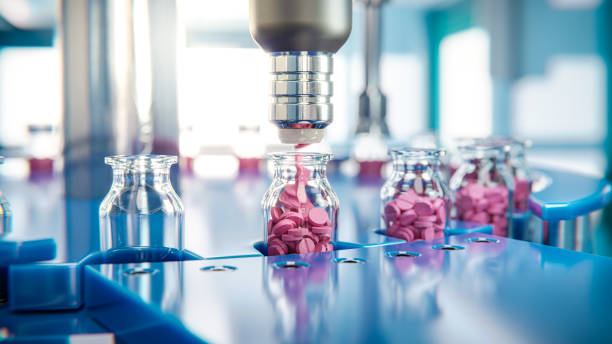
The inclusion of these four companies signals a broader industry shift toward data‑centric, flexible manufacturing. By embracing continuous processes and real‑time analytics, they are lowering the barrier to entry for new biologics and accelerating patient access to therapeutics.
Regulatory Innovation
The PreCheck program’s success hinges on mutual trust: companies provide detailed datasets early, and the FDA offers actionable feedback. This iterative loop shortens cycle times and reduces the risk of costly late‑stage failures.
Future Outlook
Looking ahead, the FDA plans to expand the pilot to include additional players and to refine the feedback mechanisms further. Companies that maintain high standards of compliance and innovation will likely become leaders in the next wave of biologic approvals.

Calcium Hydroxide - Vietnam
Found this useful?