Ranking German Chemical Restructuring: Evonik Joins Lanxess and BASF in Cost-Cutting Mode
Ranking German Chemical Restructuring: Evonik Joins Lanxess and BASF in Cost-Cutting Mode
Introduction
Germany's chemical industry is undergoing a period of significant transformation as major producers adapt to a more challenging business environment. In 2026, Evonik has joined Lanxess and BASF in implementing restructuring and cost-cutting measures aimed at improving efficiency, strengthening profitability, and positioning their businesses for long-term growth.
The trend reflects broader challenges facing European chemical manufacturers, including high energy costs, weak industrial demand, global competition, and increasing sustainability requirements.
Why German Chemical Companies Are Restructuring
Over the past few years, chemical producers have faced mounting pressure from rising production costs and changing market conditions. To remain competitive, companies are reviewing operations and focusing on areas that deliver the greatest value.
Key factors driving restructuring include:
Higher energy and raw material costs
Slower demand in key industrial sectors
Increased global competition
Ongoing investments in low-carbon technologies
The need to improve operational efficiency
These pressures have encouraged companies to streamline operations and prioritize high-growth businesses.
Evonik Joins the Trend
Evonik's restructuring focuses on simplifying its organization, reducing operating costs, and improving business performance. The company is concentrating resources on specialty chemicals and innovation while seeking greater efficiency across its operations.
The strategy is expected to help Evonik:
Improve cost competitiveness
Simplify decision-making
Increase operational efficiency
Support long-term profitability
Strengthen its specialty chemicals portfolio
BASF Continues Portfolio Optimization
BASF has continued optimizing its global operations through efficiency programs and strategic investments. The company is balancing cost reductions with investments in innovation, sustainability, and advanced manufacturing technologies.
Its long-term strategy focuses on maintaining competitiveness while adapting to changing global market conditions.
Lanxess Focuses on Efficiency
Lanxess has also expanded its cost-saving initiatives by improving operational efficiency and optimizing its business portfolio. The company aims to strengthen financial performance while maintaining its focus on specialty chemicals and high-value industrial applications.
These measures are intended to improve resilience during periods of economic uncertainty.
What This Means for the Chemical Industry
The restructuring efforts by Germany's leading chemical manufacturers highlight a broader shift across the industry. Companies are increasingly prioritizing:
Operational efficiency
Digital transformation
Portfolio optimization
Sustainable manufacturing
Disciplined capital investment
Rather than focusing solely on expansion, many producers are working to build more agile and resilient organizations.
Impact on Customers and Supply Chains
For customers and supply chain partners, restructuring can lead to:
Greater operational stability
Improved production efficiency
Stronger focus on high-value products
Continued investment in innovation
More resilient long-term supply networks
While restructuring may involve organizational changes, the overall objective is to strengthen competitiveness and improve customer service over time.
Looking Ahead
The challenges facing Europe's chemical industry are likely to continue, making efficiency and strategic investment key priorities for manufacturers. Companies that successfully balance cost discipline with innovation will be better positioned to compete in an increasingly dynamic global market.
As Evonik, Lanxess, and BASF continue their transformation efforts, their strategies may influence how other chemical producers respond to evolving economic and regulatory conditions.
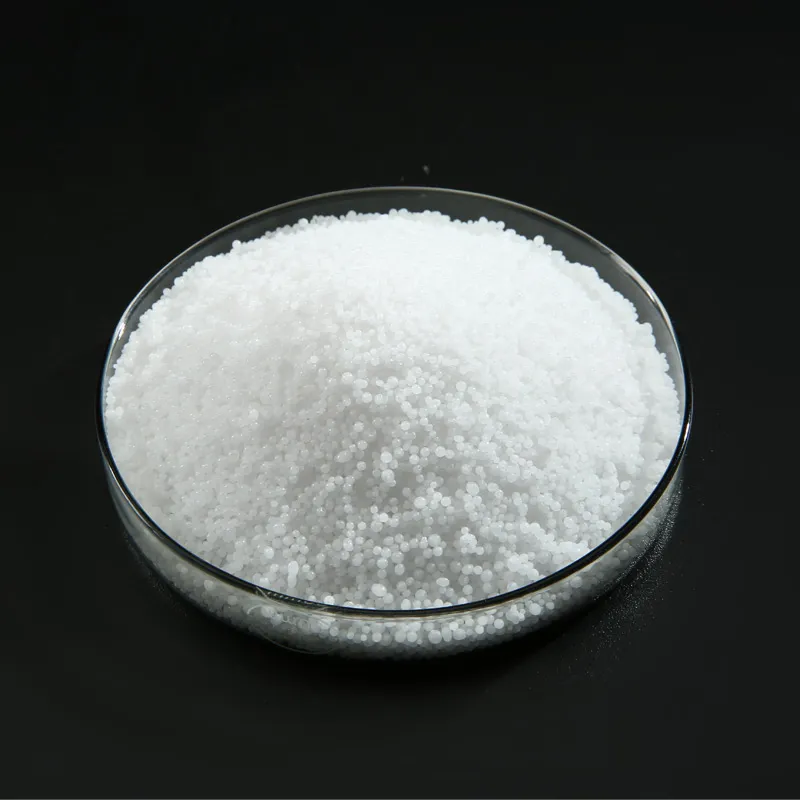
Caustic Soda Pearls - China
Found this useful?