Ranking Regional Chemical Trade Expo Growth: DyeChem Asia Joins Southeast Asia's Calendar
The launch of DyeChem Asia in Bangkok adds another event to Southeast Asia's expanding calendar of chemical, dyes, pigments, textile, and specialty-material trade exhibitions.
The emergence of new regional trade shows is more than an events-industry development. Chemical exhibitions provide an important meeting point for manufacturers, distributors, buyers, technology providers, and logistics companies seeking new commercial relationships.
For chemical-market intelligence teams, the growth of Southeast Asian trade events can therefore serve as a useful indicator of regional manufacturing activity, sourcing diversification, and international supplier engagement.
Why Regional Chemical Expos Matter
Trade exhibitions remain particularly important in industries where technical specifications, certifications, applications, and long-term supplier relationships influence purchasing decisions.
Chemical trade shows can help companies:
Identify new suppliers
Meet regional distributors
Launch new products
Evaluate technologies
Develop customer relationships
Monitor competitor activity
Understand emerging applications
Explore new export markets
For companies expanding into Southeast Asia, regional exhibitions can also provide a relatively efficient way to meet multiple potential customers and partners in one location.

DyeChem Asia's Position
The launch of DyeChem Asia in Bangkok, Thailand reflects the growing importance of Southeast Asia as a regional manufacturing and sourcing market.
Dyes and pigments are connected to several major industries, including:
Textiles
Apparel
Plastics
Printing
Packaging
Coatings
Leather
Specialty chemicals
This gives a regional exhibition focused on dyes and related chemistry potential relevance beyond the textile sector alone.
Why Bangkok Is a Strategic Location
Bangkok offers several advantages as a regional trade-event hub.
Thailand has established manufacturing and export industries across:
Textiles
Automotive
Plastics
Electronics
Food processing
Chemicals
Its geographic position also provides access to neighboring Southeast Asian markets.
For international chemical suppliers, Bangkok can therefore function as a convenient meeting point for customers and distributors from across the region.
Southeast Asia's Chemical Market Is Becoming More Important
The region has increasingly attracted chemical manufacturers and investors seeking alternatives to more concentrated production bases.
Key markets include:
Thailand
Vietnam
Indonesia
Malaysia
Singapore
Philippines
Growth drivers include:
Manufacturing investment
Export-oriented production
Supply-chain diversification
Consumer-market growth
Infrastructure development
Regional trade integration
As manufacturing expands, demand for chemical inputs and specialty materials can also increase.
Trade Shows as a Market-Intelligence Signal
The number and specialization of trade exhibitions can provide an indirect signal of market development.
A growing exhibition calendar may indicate:
More suppliers entering the market
Greater buyer interest
Increasing regional specialization
More international participation
New technology adoption
Expanding downstream industries
However, trade-show growth should not be treated as a direct measure of chemical-market growth.
Attendance, exhibitor quality, transaction activity, and follow-up commercial relationships are more meaningful indicators.
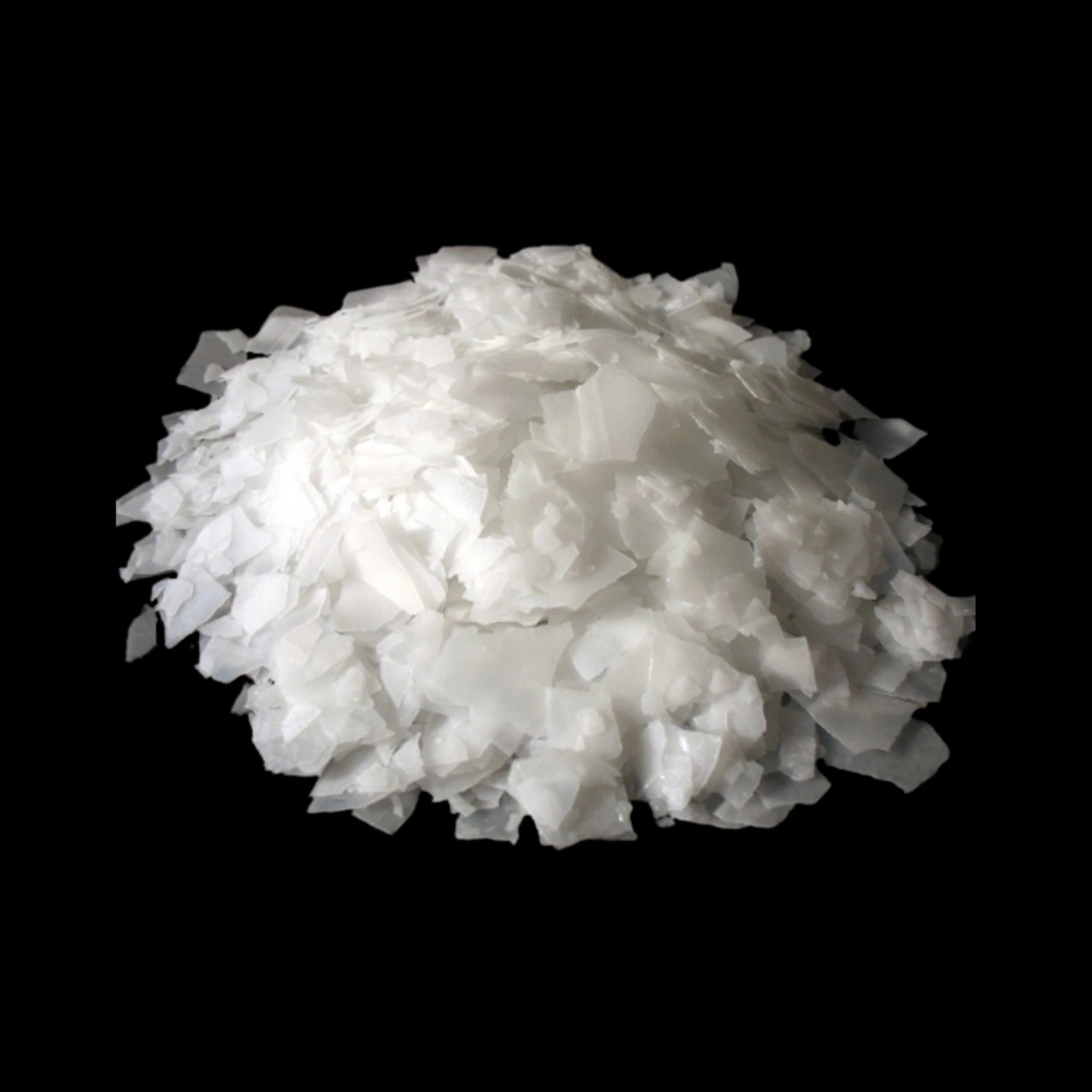
Caustic Soda Flakes
Established Shows Create the Benchmark
DyeChem Asia enters a region that already hosts established chemical and industrial exhibitions.
Relevant events across Southeast Asia cover areas such as:
General chemicals
Petrochemicals
Plastics
Rubber
Coatings
Dyes and pigments
Textile chemicals
Specialty chemicals
Water treatment
Industrial processing
The competitive question for a new event is therefore not simply whether it can attract exhibitors.
It is whether it can establish a distinct commercial identity.
How to Rank Regional Chemical Expos
A useful ranking framework should consider more than visitor numbers.
1. Exhibitor Quality
Are major chemical manufacturers and credible specialty suppliers participating?
2. Buyer Attendance
Does the event attract purchasing decision-makers rather than primarily general visitors?
3. International Reach
How many exhibitors and visitors come from outside the host country?
4. Industry Focus
Does the event provide a clear specialization or serve a broad chemical market?
5. Commercial Activity
Are meetings translating into distribution agreements, customer trials, and sales opportunities?
6. Regional Access
Does the location make it practical for buyers from neighboring markets to attend?
7. Event Longevity
Can the organizer build a recurring annual platform?
Dyes and Pigments Provide a Useful Niche
A specialized dyes and pigments exhibition can offer advantages over a broad chemical show.
Participants can focus on:
Colorants
Pigments
Textile dyes
Digital printing
Functional coatings
Specialty additives
Textile processing chemicals
This specialization can attract highly targeted buyers.
For suppliers, that can potentially produce higher-value commercial conversations than general foot traffic at a large industrial exhibition.
Textile Manufacturing Strengthens the Opportunity
Southeast Asia remains an important textile and apparel manufacturing region.
Vietnam, Indonesia, Thailand, and other regional markets have substantial textile-related production and export activity.
That creates potential demand for:
Textile dyes
Pigments
Finishing chemicals
Functional coatings
Auxiliaries
Specialty additives
A trade show that connects chemical suppliers directly with textile manufacturers can therefore occupy a useful position within the regional business-development ecosystem.
Sustainability Is Reshaping Dye Chemistry
The dyes and pigments market is also undergoing changes related to sustainability.
Manufacturers increasingly face pressure to improve:
Water efficiency
Waste reduction
Chemical safety
Energy consumption
Wastewater treatment
Restricted-substance compliance
Bio-based or lower-impact chemistry
Trade exhibitions can become important venues for demonstrating technologies designed to address these requirements.
Procurement Teams Can Benefit
Chemical buyers attending regional exhibitions can use them for supplier discovery and qualification.
Procurement teams can:
Compare suppliers
Review technical specifications
Identify alternative origins
Discuss lead times
Evaluate certifications
Negotiate distribution relationships
Monitor new product launches
Face-to-face technical discussions can be particularly useful for products where application performance is difficult to evaluate from a standard product sheet.
Exhibitions Can Support Supply-Chain Diversification
The development of new regional trade events also reflects the broader trend toward diversified global sourcing.
Companies previously dependent on one manufacturing region may increasingly seek:
Southeast Asian suppliers
Indian suppliers
Middle Eastern producers
European specialty manufacturers
Regional distributors
Trade exhibitions can accelerate this process by bringing buyers and alternative suppliers together.
What Chemical Companies Should Watch
Chemical manufacturers evaluating Southeast Asian trade events should consider:
Exhibitor mix
Visitor profile
Country participation
Competitor presence
Product categories
Distributor participation
Conference topics
Customer meetings
Post-event sales conversion
The strongest events will increasingly be judged by commercial outcomes rather than exhibition size alone.
What Investors Should Watch
For investors, regional trade-show activity can provide a secondary indicator of industry development.
Useful signals include:
Growing international participation
Increasing specialized events
Expansion into new markets
Rising downstream manufacturing activity
Greater technology participation
But these indicators should be combined with more direct measures such as:
Chemical production
Imports and exports
Capacity additions
Industrial investment
Pricing
Company earnings
The Broader Southeast Asian Opportunity
The emergence of new chemical exhibitions is part of a larger regional story.
Southeast Asia is increasingly positioned as:
A manufacturing hub + a sourcing destination + a growing consumer market.
This combination can create opportunities for chemical suppliers across:
Industrial chemicals
Specialty chemicals
Polymers
Coatings
Dyes
Pigments
Textile chemicals
Processing chemicals
Trade events can provide an important commercial infrastructure connecting these markets.
Looking Ahead
DyeChem Asia's launch adds another data point to Southeast Asia's expanding chemical trade-event ecosystem.
Its long-term significance will depend on whether it can attract high-quality exhibitors, qualified buyers, international participants, and repeat commercial activity.
The broader trend, however, is clear: Southeast Asia is becoming increasingly important to global chemical sourcing and manufacturing strategies.
For chemical companies, procurement teams, and distributors, regional trade exhibitions can offer a practical route into these markets.
The most valuable events will not necessarily be the largest.
They will be the ones that create the strongest connections between suppliers, buyers, technology providers, and regional manufacturing demand.
Key Takeaways
DyeChem Asia's launch in Bangkok adds to Southeast Asia's growing chemical trade-event calendar.
Dyes and pigments connect the event to textiles, plastics, printing, coatings, packaging, and other downstream industries.
Bangkok provides a strategic access point to Thailand and neighboring Southeast Asian markets.
Trade-show growth can provide a secondary signal of regional supplier and buyer activity.
Event quality should be measured through exhibitor quality, buyer participation, international reach, and commercial outcomes.
Sustainability and regulatory requirements are creating new opportunities in dye and specialty-chemical technologies.
Regional exhibitions can help procurement teams diversify suppliers and explore alternative sourcing markets.
Southeast Asia's expanding manufacturing base supports the long-term commercial case for specialized chemical trade events.
Found this useful?