Ranking Tudriqev's $450,000 List Price Against Other Recent Oncolytic Therapies
Replimune's newly approved Tudriqev has entered the advanced-melanoma market with a $450,000 list price for a full course of therapy, before customary rebates and discounts. The price puts the therapy firmly in the high-cost oncology category and creates an important benchmark for comparing newer virus- and cell-based approaches to difficult-to-treat melanoma.
The pricing decision is particularly notable because Tudriqev is the first FDA-approved oncolytic virus therapy since the earlier generation of this treatment approach. Its accelerated approval covers adults with unresectable advanced cutaneous melanoma whose disease progressed after an anti-PD-1-based regimen.
That makes the $450,000 figure more than a simple price tag. It provides a useful reference point for assessing how the oncology market is pricing innovative therapies that combine novel biological mechanisms with highly specialized treatment delivery.
Why the $450,000 Price Matters
The list price places Tudriqev between older oncolytic-virus economics and the substantially higher pricing associated with some individualized cell therapies.
For comparison, the average anticipated cost of the earlier FDA-approved oncolytic therapy Imlygic was approximately $65,000 when it launched in 2015. Meanwhile, Iovance initially set a $515,000 wholesale acquisition cost for its one-time melanoma cell therapy Amtagvi, with later reporting putting its list price at approximately $563,000.
Against those benchmarks, Tudriqev's $450,000 course represents a dramatic increase over the first-generation oncolytic-virus model while remaining below the current reported price of the leading individualized cell-therapy comparator.
Tudriqev's Position in the Pricing Spectrum
A simple ranking looks like this:
1. Amtagvi — Approximately $563,000
The individualized cell therapy sits at the upper end of the comparison group based on its reported current list price.
2. Tudriqev — $450,000
Replimune's announced list price for a full treatment course places the therapy below the reported price of Amtagvi but substantially above the historical cost of first-generation oncolytic-virus treatment.
3. Earlier Oncolytic-Virus Benchmark — Approximately $65,000
The first FDA-approved oncolytic-virus therapy entered the market at a dramatically lower average treatment cost.
This comparison highlights how rapidly pricing expectations have evolved across advanced-melanoma treatment modalities.
The Comparison Needs an Important Caveat
These therapies are not directly interchangeable.
They differ in:
Mechanism of action
Treatment duration
Administration requirements
Patient eligibility
Manufacturing complexity
Clinical evidence
Healthcare-resource requirements
Therefore, comparing their prices does not establish which treatment provides better value.
The ranking is best understood as a commercial pricing benchmark, rather than a clinical value ranking.
Tudriqev Is an Oncolytic Viral Therapy
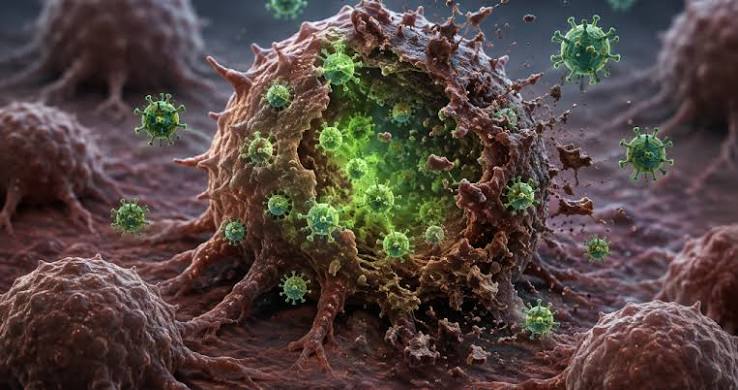
Tudriqev is based on a genetically modified HSV-1 virus designed to selectively target cancer cells.
After injection into a tumor, the virus replicates inside cancer cells and causes them to rupture while also stimulating an immune response against the tumor.
This mechanism distinguishes Tudriqev from conventional systemic oncology drugs and from individualized cell therapies.
Treatment Requires Repeated Administration
Tudriqev is administered directly into tumors once every two weeks for eight consecutive doses.
The dosing amount depends on tumor size, with a lower concentration used for the first dose and a higher concentration for subsequent doses. Nivolumab is administered intravenously beginning at week three.
The $450,000 list price therefore covers a treatment course rather than a single administration.
The Combination With Nivolumab Matters
Tudriqev is approved for use in combination with nivolumab.
That is commercially important because the $450,000 list price should not automatically be interpreted as the complete cost of the patient's entire oncology regimen.
Additional treatment, administration, monitoring and supportive-care expenses can contribute to total healthcare spending.
Consequently, payer and provider comparisons need to distinguish the drug's list price from the broader total cost of care.
The Earlier Oncolytic Benchmark Was Much Lower
The first FDA-approved oncolytic-virus therapy entered the US market in 2015.
Its manufacturer estimated the average cost of treatment at approximately $65,000, with dosing variability depending on individual patients.
That means Tudriqev's $450,000 list price is almost seven times that historical benchmark.
The difference illustrates how the economics of innovative oncology therapies have changed over the past decade.
Why the Price Gap Is So Large
Several factors can explain why the two oncolytic therapies occupy such different pricing positions.
The newer product is being positioned for a different treatment setting and is paired with checkpoint inhibition.
It also arrives after years of advances in:
Tumor biology
Viral engineering
Immuno-oncology
Biomarker research
Clinical development
Specialized drug manufacturing
The price therefore reflects the broader commercial economics of modern precision oncology rather than simply the cost of producing a viral therapy.
Amtagvi Provides the Closest High-Cost Benchmark
Amtagvi is particularly useful for comparison because it is also used in advanced melanoma after previous treatment.
Unlike Tudriqev, however, it is an individualized tumor-infiltrating lymphocyte therapy.
Its original wholesale acquisition cost was $515,000 per patient, while later reporting cited a $563,000 list price.
Tudriqev therefore enters the market at a lower headline price than this individualized cell-therapy option.
Manufacturing Complexity Is Very Different
This is another reason price comparisons require caution.
An individualized cell therapy involves collecting a patient's tumor material, manufacturing a personalized treatment and administering the finished product at an authorized treatment center.
Tudriqev is instead a standardized biological product administered directly into tumors.
The two approaches consequently have very different manufacturing and treatment infrastructures.
Price Does Not Equal Clinical Value
A $450,000 list price does not by itself indicate whether Tudriqev is expensive or inexpensive relative to its clinical benefit.
That question requires consideration of:
Response rate
Duration of response
Overall survival
Quality of life
Treatment duration
Hospitalization
Administration costs
Subsequent treatment
Patient selection
These variables can materially change the economic value of a therapy.
Aluminium Chloride
Tudriqev's Initial Efficacy Data
The accelerated approval was supported by the IGNYTE trial.
The study enrolled 140 patients, with 91 patients included in the efficacy-evaluable population.
Tudriqev plus nivolumab produced an objective response rate of 24.2%, while median duration of response reached 14.1 months.
Those results provide the initial clinical foundation for the product's commercial positioning.
The Approval Is Accelerated
The FDA granted Tudriqev accelerated approval based on objective response rate and duration of response.
Continued approval may depend on confirmation of clinical benefit in post-approval trials.
That creates an important commercial consideration.
The $450,000 price is being established before the therapy has completed the type of randomized confirmatory evidence that could ultimately determine its long-term position in the melanoma treatment landscape.
The Confirmatory Trial Will Be Critical
Replimune now needs to demonstrate that the initial response signal translates into meaningful clinical benefit.
This creates a major milestone for the product.
If confirmatory evidence validates the treatment, the current price may become easier for payers and healthcare systems to justify.
If the benefit is not confirmed, the commercial and reimbursement environment could become considerably more difficult.
Payers Will Look Beyond the List Price
Healthcare insurers rarely evaluate oncology therapies solely on the manufacturer's headline list price.
They may consider:
Contract discounts
Rebates
Coverage restrictions
Prior authorization
Site-of-care economics
Treatment administration
Patient assistance
Comparative clinical outcomes
The $450,000 figure is therefore best viewed as the starting point for the pricing discussion rather than the final amount necessarily paid by every payer.
The Price Also Reflects the Size of the Unmet Need
Tudriqev targets patients whose melanoma has progressed following anti-PD-1 therapy.
This is a difficult treatment setting with limited options.
FDA's approval announcement emphasized the need for new therapies for patients whose advanced melanoma no longer responds to PD-1-blocking treatment.
That unmet need provides part of the commercial rationale for premium pricing.
But Premium Pricing Creates Access Questions
A $450,000 treatment course inevitably raises questions about access.
The practical issues include:
Insurance coverage
Prior authorization
Treatment-center availability
Reimbursement timing
Patient out-of-pocket exposure
Financial assistance
Administration capacity
Replimune has established a support program designed to provide information about access, reimbursement and financial assistance.
The Commercial Benchmark Is More Interesting Than the Absolute Number
The most useful takeaway from Tudriqev's price is not simply that the therapy costs $450,000.
It is where that number sits relative to the emerging treatment market.
The product is:
far above the historical oncolytic-virus benchmark
but
below the reported current price of a leading individualized melanoma cell therapy.
That positioning suggests Replimune is attempting to balance premium innovative-therapy economics with a price that remains somewhat below the highest-priced advanced-melanoma cell therapies.
Ranking the Pricing Signals
1. Amtagvi — Approximately $563,000
Highest current benchmark
An individualized cell therapy carrying a reported list price above Tudriqev.
2. Tudriqev — $450,000
High-cost next-generation benchmark
A full course priced substantially above historical viral therapy while remaining below the reported price of the leading cell-therapy comparator.
3. Earlier Oncolytic-Virus Benchmark — Approximately $65,000
Historical low benchmark
The first FDA-approved oncolytic-virus therapy entered the market at an average anticipated treatment cost of approximately $65,000.
What Investors Should Watch
Investors evaluating Tudriqev should monitor:
Commercial launch timing
Initial patient uptake
Reimbursement coverage
Payer restrictions
Net pricing after discounts
Treatment-center adoption
Response durability
Confirmatory-trial progress
Competitive melanoma therapies
Replimune's commercialization costs
The difference between list price and realized net price will be particularly important.
What Healthcare Buyers Should Watch
Providers and payers should also assess the broader treatment economics.
Important variables include:
Drug acquisition cost
Administration requirements
Treatment duration
Patient monitoring
Hospital resources
Combination-therapy costs
Response duration
Subsequent-treatment requirements
A high list price can produce a very different economic profile depending on how long a patient remains in response and how much additional care is required.
What the Price Means for the Oncolytic-Therapy Market
Tudriqev's launch could establish a new pricing reference point for oncolytic immunotherapy.
The historical $65,000 benchmark was established when the field was still proving that engineered viruses could become viable cancer treatments.
Tudriqev arrives in a much more mature immuno-oncology market.
Its $450,000 price therefore suggests that future oncolytic platforms may increasingly be priced according to clinical positioning and therapeutic value, rather than being anchored to the economics of the first generation.
The Competitive Landscape Is Still Developing
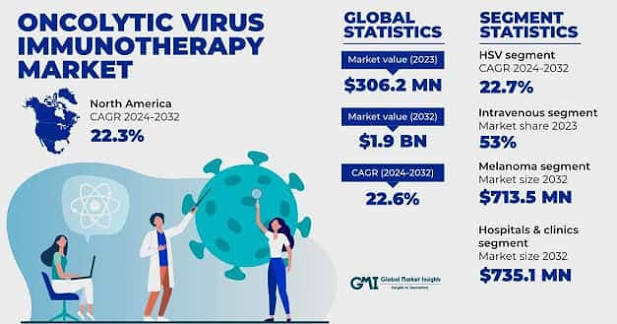
The market remains relatively small.
The first oncolytic-virus approval came in 2015, and Tudriqev represents the first FDA approval of another oncolytic virus therapy since then.
That long gap highlights how difficult it has been to translate the biological concept into commercially successful products.
Tudriqev's launch could therefore become an important test of whether the category can finally achieve broader commercial traction.
Why the $450,000 Benchmark Could Matter Beyond Melanoma
If Tudriqev demonstrates durable clinical benefit and gains broad reimbursement, its pricing could influence how future engineered-virus therapies are positioned.
Developers working on:
Solid tumors
Intratumoral therapies
Immune-activating viruses
Combination immunotherapies
Personalized cancer platforms
may look closely at the commercial response to Tudriqev.
Looking Ahead
Tudriqev's $450,000 list price creates a striking new benchmark in advanced melanoma.
It is dramatically higher than the approximately $65,000 average treatment cost associated with the first FDA-approved oncolytic-virus therapy in 2015, while remaining below the reported $563,000 list price of Amtagvi.
That positioning reflects the changing economics of innovative oncology.
The key question, however, is whether the clinical evidence supports the premium.
Tudriqev's initial 24.2% objective response rate and 14.1-month median duration of response provide the foundation for its accelerated approval, but confirmatory evidence will ultimately determine whether the treatment can sustain its regulatory and commercial position.
For investors, the next benchmark is commercial uptake.
For payers, it is net cost relative to clinical benefit.
And for the broader biotechnology sector, Tudriqev represents a test of whether modern oncolytic immunotherapy can support premium pricing after years of limited commercial success.
Key Takeaways
Tudriqev carries a $450,000 list price per treatment course before customary rebates and discounts.
The price is substantially above the approximately $65,000 average cost associated with the first FDA-approved oncolytic-virus therapy at launch.
Reported current pricing for Amtagvi is approximately $563,000, placing it above Tudriqev.
Tudriqev is approved in combination with nivolumab for unresectable advanced cutaneous melanoma after progression on an anti-PD-1-based regimen.
The IGNYTE trial produced a 24.2% objective response rate and 14.1-month median duration of response in the efficacy-evaluable population.
The approval is accelerated, meaning continued authorization can depend on confirmatory evidence of clinical benefit.
List price should not be confused with the actual net amount paid after rebates, discounts and payer negotiations.
Total treatment economics also include administration, monitoring and combination-therapy costs.
Tudriqev's launch could establish an important new pricing benchmark for next-generation oncolytic immunotherapies.
Found this useful?