Ranking Wacker's Siltronic Divestment Pace Against Its Original Stake | ChemicalsBlog.com
Rankings & Industry Intelligence
schedule9 Min Read
Ranking Wacker's Siltronic Divestment Pace Against Its Original Stake
terminal
prodchem
Aug 11, 2026
Wacker Chemie’s latest reduction in its Siltronic holding provides a useful benchmark for tracking how quickly the German specialty chemicals group has been unwinding its long-standing investment in the semiconductor wafer producer.
In May 2026, Wacker sold 2.1 million Siltronic shares through an accelerated bookbuilding process for approximately €188 million, reducing its stake from around 31% to approximately 24%. The placement represented 7% of Siltronic's share capital, and Wacker remained the company's largest shareholder after the transaction.
The transaction is therefore less about a complete exit than about measuring the pace of Wacker's gradual reduction in exposure to a business that sits at the intersection of specialty chemicals and semiconductor manufacturing.
Why the Siltronic Stake Matters
Wacker's relationship with Siltronic has historically been strategically important.
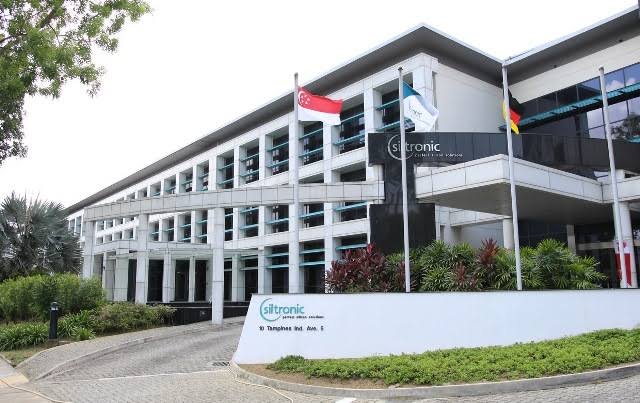
Siltronic is a major manufacturer of silicon wafers used in semiconductor production, while Wacker's broader portfolio includes highly developed chemical products and materials serving electronics, solar, construction, and other industrial markets.
The stake therefore represented more than a conventional financial investment.
It connected Wacker to a strategically important part of the semiconductor supply chain.
The Latest Block Trade
Wacker initially indicated that it intended to sell approximately 1.8 million Siltronic shares.
The final transaction was larger.
Wacker placed 2.1 million shares at €89.35 each, generating gross proceeds of approximately €188 million. The shares were sold to qualified and international institutional investors through an accelerated bookbuilding process.
That difference between the initially planned and completed transaction size is itself useful intelligence.
It indicates that Wacker was willing to accelerate the reduction when market conditions allowed.
Measuring the Divestment Pace
The latest transaction reduced Wacker's ownership by roughly seven percentage points, from approximately 31% to 24%.
That means the company has now moved substantially further away from the level of ownership it maintained before beginning its more recent stake reductions.
For investors, the key question is therefore not simply how much Wacker sold in the latest transaction.
It is:
How quickly is Wacker moving toward a smaller strategic stake or eventual exit?
The answer will depend on whether additional block placements follow.
From Strategic Stake to Smaller Holding
Wacker's remaining approximately 24% position is still significant.
The company remains Siltronic's largest shareholder and has continued to state that it supports Siltronic's strategy. At the same time, Wacker said the proceeds from the latest sale would strengthen its financial position and create additional scope for future growth investments.
This creates an important distinction.
Wacker is not currently behaving as though it needs to abandon Siltronic immediately.
Instead, the latest transaction suggests a gradual monetization strategy while retaining a substantial minority position.
Why the Semiconductor Connection Is Important
Siltronic occupies a strategically important position in the semiconductor supply chain.
Silicon wafers are foundational inputs for semiconductor manufacturing, meaning the company's performance is closely connected to:
Semiconductor fabrication capacity
Electronics demand
Memory and logic investment
Wafer pricing
Fab utilization
Global chip-industry cycles
Wacker's decision to reduce its exposure therefore has implications beyond its own balance sheet.
It also changes the ownership structure around an important semiconductor materials supplier.
One of the clearest reasons for the divestment is financial flexibility.
Wacker explicitly said the proceeds would strengthen its financial position and create additional room to invest in future growth.
That makes the Siltronic stake a potential source of capital for Wacker's own strategic priorities.
The company operates in a specialty chemicals industry facing significant cyclical and structural pressures.
Releasing capital from a listed investment can provide management with additional flexibility without requiring an increase in leverage.
The Broader Chemicals Downturn Matters
The timing of the transaction is also notable.
Wacker has been dealing with an industry-wide downturn and has implemented a cost-cutting program, including plans to eliminate approximately 1,500 positions, primarily in Germany.
Against that backdrop, monetizing part of a large listed investment can serve several purposes.
It can:
Strengthen liquidity
Reduce concentration risk
Support investment in core businesses
Improve financial flexibility
Provide capital during a difficult industry cycle
This makes the Siltronic sale relevant to understanding Wacker's broader capital-allocation strategy.
Why the Latest Sale Was Larger Than Planned
Wacker's decision to sell 2.1 million shares rather than the initially announced 1.8 million is particularly interesting.
The additional 300,000 shares increased the size of the transaction while still leaving Wacker with a substantial position.
That suggests management saw an opportunity to monetize more of the holding without crossing the threshold where it would cease to be a major shareholder.
For investors tracking future transactions, this creates a useful precedent.
Remaining Ownership Creates Optionality
Wacker's approximately 24% stake gives the company considerable optionality.
It can potentially:
Continue holding the investment
Conduct another block sale
Reduce the position gradually
Monetize additional shares when market conditions improve
Maintain strategic influence while lowering capital exposure
The remaining stake therefore should not automatically be interpreted as evidence that Wacker intends to exit immediately.
Siltronic's Share Performance Adds Another Variable
Market conditions are important because the value of Wacker's remaining stake can change significantly with Siltronic's share price.
Following the latest sale announcement, Siltronic shares initially declined. However, the stock had already risen strongly during 2026, with reports noting that its value had nearly doubled from the beginning of the year before the transaction.
That creates an interesting timing dynamic.
Wacker was able to monetize part of its investment after a substantial recovery in Siltronic's market value.
Future block trades could therefore depend heavily on valuation and semiconductor-market sentiment.
Semiconductor Cycle Exposure
Siltronic's business remains exposed to the semiconductor cycle.
Periods of strong fab investment and improving chip demand can support wafer demand, while industry corrections can pressure utilization and pricing.
For Wacker, holding a large stake therefore creates indirect exposure to a sector with a different risk profile from its core specialty chemicals operations.
Reducing the stake can consequently help diversify Wacker's overall financial exposure.
Strategic Versus Financial Ownership
The Siltronic relationship illustrates an important distinction between strategic and financial ownership.
Wacker can continue supporting Siltronic's development while simultaneously reducing the amount of capital tied up in the investment.
This approach allows Wacker to retain exposure to potential upside without maintaining the same level of balance-sheet concentration.
The latest transaction therefore looks more like portfolio optimization than a sudden strategic abandonment.
What Investors Should Track Next
Several indicators will help determine the eventual pace of Wacker's divestment.
Additional Block Trades
Another large placement would indicate that the May transaction was part of an ongoing monetization program.
Remaining Ownership
The movement from approximately 24% toward lower levels will be an important measure of divestment velocity.
Siltronic Valuation
A stronger share price could provide additional opportunities to monetize the remaining stake.
Wacker's Capital Requirements
Higher investment needs within Wacker's core businesses could increase the incentive to release additional capital.
Semiconductor Market Conditions
Improving wafer demand and semiconductor investment could affect the timing and economics of future transactions.
Ranking the Latest Divestment
From an industry-intelligence perspective, the latest transaction scores strongly on several dimensions.
Transaction Size
High
The €188 million gross proceeds represent a substantial capital release for Wacker.
Ownership Reduction
High
The transaction reduced Wacker's stake by approximately seven percentage points.
Strategic Significance
High
Siltronic remains a strategically relevant semiconductor-materials business.
Financial Flexibility
Very High
Wacker explicitly linked the proceeds to strengthening its financial position and creating room for future growth investment.
Exit Progress
Moderate to High
The transaction materially reduced Wacker's exposure but left it with approximately 24% and its position as Siltronic's largest shareholder.
Implications for Chemical Industry M&A
Wacker's Siltronic divestment also fits into a broader trend of chemical companies reassessing non-core holdings and capital allocation.
When chemical markets are under pressure, companies can increasingly look toward:
Portfolio simplification
Asset sales
Minority-stake monetization
Cost reduction
Debt management
Investment prioritization
The Siltronic transaction is therefore relevant beyond the semiconductor sector.
It illustrates how a specialty chemicals company can use a valuable strategic investment as a source of financial flexibility during a challenging operating environment.
Supply-Chain Intelligence
Siltronic's position in semiconductor manufacturing also makes the transaction relevant to industrial supply-chain analysis.
Silicon wafer availability is strategically important for semiconductor manufacturers, and ownership changes around major suppliers can be worth monitoring even when they do not immediately affect production capacity.
For downstream customers, the important variables remain:
Wafer capacity
Manufacturing locations
Technology development
Supply agreements
Semiconductor demand
Pricing conditions
The Wacker divestment does not itself signal a change in Siltronic's operational strategy, but it does alter the company's ownership structure.
Looking Ahead
Wacker's latest Siltronic block trade represents a meaningful step in the company's gradual reduction of its stake.
The sale of 2.1 million shares generated approximately €188 million and reduced Wacker's ownership from around 31% to approximately 24%, while leaving it as Siltronic's largest shareholder.
The most important intelligence question now is whether Wacker continues reducing the position at a similar pace.
If additional block trades follow, the May transaction could eventually be viewed as one stage in a broader exit strategy.
If Wacker maintains the remaining stake, the transaction may instead prove to be primarily a capital-recycling exercise designed to strengthen the balance sheet while retaining a strategic relationship with Siltronic.
Either way, the latest placement provides a useful benchmark for tracking how Wacker is balancing semiconductor exposure, financial flexibility, and investment in its core specialty chemicals operations.
Key Takeaways
Wacker sold 2.1 million Siltronic shares in May 2026.
The shares were placed at €89.35 each, generating approximately €188 million in gross proceeds.
The transaction represented approximately 7% of Siltronic's share capital.
Wacker's stake fell from approximately 31% to 24%.
Wacker remains Siltronic's largest shareholder.
The final sale volume exceeded the initially planned 1.8 million shares.
Wacker said the proceeds would strengthen its financial position and create additional room for future growth investment.
The transaction occurred while Wacker was implementing cost-cutting measures amid a difficult chemicals market.
Future block trades will be important for determining whether Wacker is pursuing a gradual full exit or simply recycling capital.
Siltronic's semiconductor exposure makes the ownership change relevant to broader electronics and advanced-materials supply-chain intelligence.