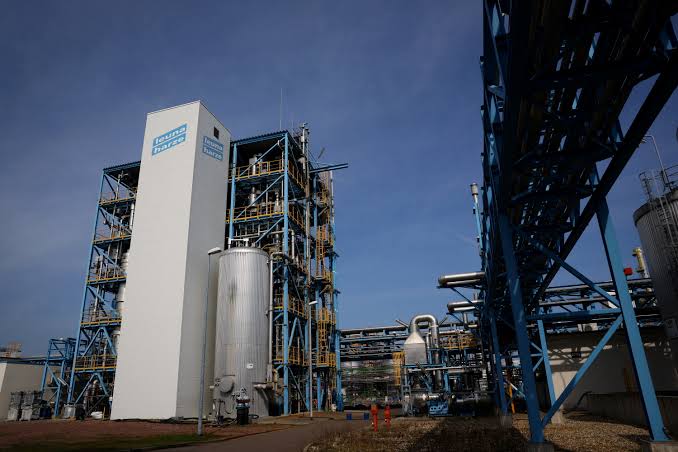
Raw Material Price Volatility Continues to Pressure Agrochemical Intermediate Margins
Raw material price volatility remains one of the most significant challenges facing agrochemical intermediate manufacturers in 2026. Specialty chemical producers continue to experience fluctuating input costs driven by changing energy prices, supply-demand imbalances, geopolitical tensions, freight costs, and currency movements. These factors are making it increasingly difficult for manufacturers to maintain stable gross margins while remaining competitive in global markets.
For suppliers of agrochemical intermediates, rising and unpredictable raw material costs directly affect production economics, pricing strategies, and procurement decisions. Although demand for crop protection products remains resilient over the long term, short-term fluctuations in feedstock prices continue to create financial pressure across the specialty chemicals industry.
Why Raw Material Prices Matter
The production of agrochemical intermediates depends on a wide range of industrial chemicals and petrochemical feedstocks. Even small changes in the cost of these inputs can significantly influence manufacturing expenses and profitability.
Key drivers of raw material price volatility include:
Fluctuating crude oil and energy prices
Supply-demand imbalances
Geopolitical disruptions affecting global trade
Freight and logistics cost fluctuations
Currency exchange rate movements
Temporary supply shortages of critical feedstocks
Since many supply agreements are negotiated months in advance, sudden increases in raw material costs cannot always be passed on immediately to customers, placing additional pressure on producer margins.
The production of agrochemical intermediates relies on essential industrial chemicals such as Caustic Soda, Acetic Acid, Methanol, Hydrochloric Acid (HCl), Hydrogen Peroxide, and Formic Acid. Price fluctuations in these raw materials can significantly affect manufacturing costs, product pricing, and overall profitability. Stable sourcing of these chemicals is therefore critical for maintaining consistent production and protecting margins.
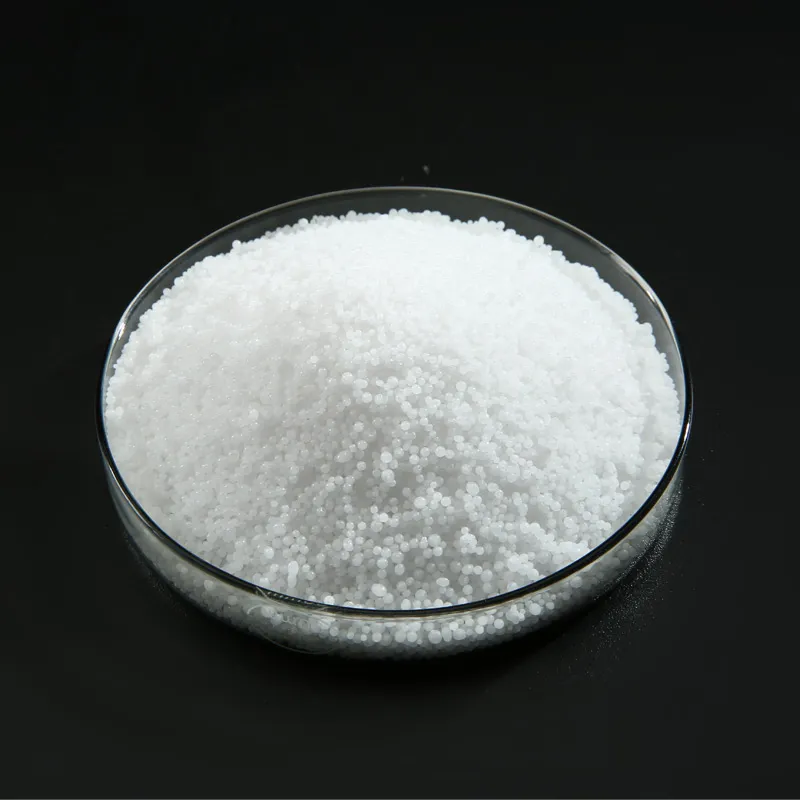
Caustic Soda Pearls - China
Market Implications
Continued raw material volatility is reshaping the operating environment for agrochemical intermediate suppliers.
Potential market impacts include:
Increased pressure on gross profit margins
More frequent product price revisions
Greater uncertainty in production planning
Higher procurement and inventory management costs
Increased focus on operational efficiency
Greater investment in supply chain diversification
Manufacturers with diversified supplier networks and efficient cost management strategies are generally better positioned to manage periods of market volatility.
Procurement Considerations
Procurement teams play a critical role in managing the impact of fluctuating raw material costs.
Recommended strategies include:
Monitor raw material and feedstock price trends regularly
Diversify sourcing across multiple qualified suppliers
Negotiate flexible long-term supply agreements
Maintain strategic inventory for critical chemicals
Evaluate alternative sourcing regions when appropriate
Strengthen collaboration with strategic suppliers
A proactive procurement strategy can help reduce cost exposure while improving supply continuity during periods of market uncertainty.
Looking Ahead
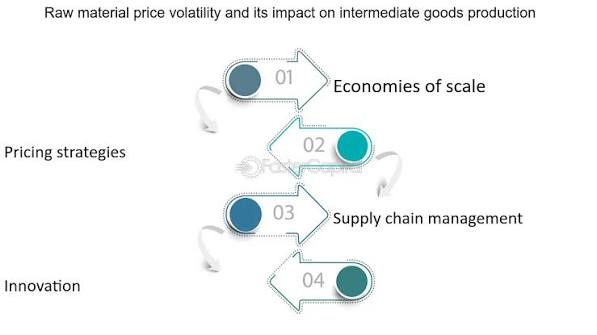
Raw material price volatility is expected to remain a defining characteristic of the specialty chemicals market throughout 2026. While pricing pressures may ease as supply chains stabilize and energy markets become more balanced, geopolitical developments and changing global demand are likely to keep markets dynamic.
For agrochemical intermediate manufacturers, long-term competitiveness will depend on efficient procurement, diversified sourcing, operational excellence, and the ability to respond quickly to changing market conditions. Companies that build resilient supply chains today will be better positioned to manage future pricing cycles and protect profitability.
Key Takeaways
Raw material price volatility continues to pressure agrochemical intermediate manufacturers.
Energy prices, logistics, geopolitical risks, and currency movements remain major cost drivers.
Rising input costs can reduce gross margins and complicate pricing strategies.
Diversified sourcing and strategic procurement help reduce exposure to market volatility.
Long-term demand for agrochemical intermediates remains supported by global agricultural growth.
Found this useful?