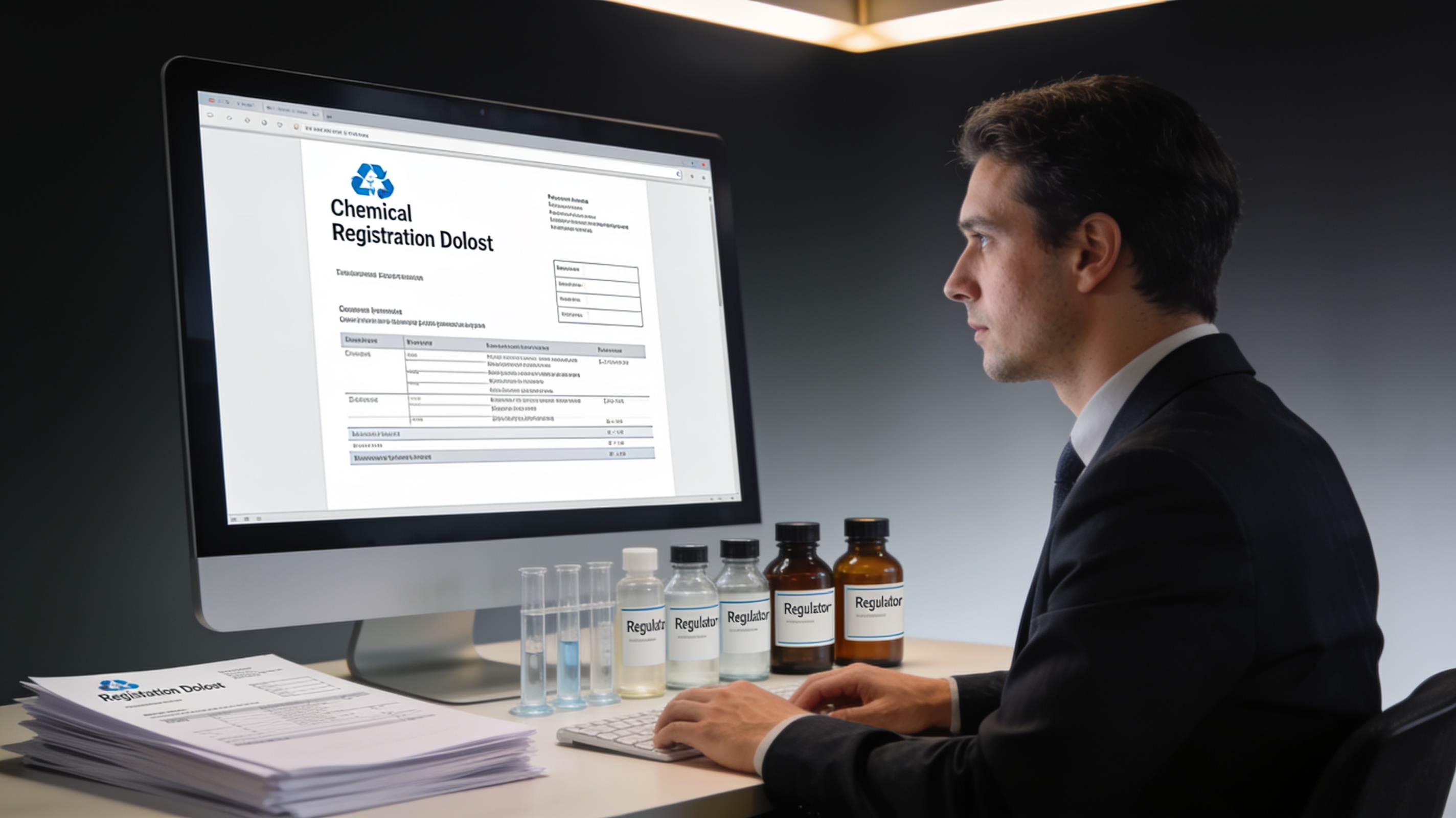
Supplying chemicals into the European Union requires more than competitive pricing and reliable logistics. Regulatory compliance has become an equally important part of procurement, and one of the most valuable verification resources available to buyers is the European Chemicals Agency's public REACH registration database. The database provides access to information submitted through REACH registrations, allowing procurement professionals to confirm whether a substance has been registered for the EU market and review key technical information before making purchasing decisions.
For specialty chemical buyers, learning how to navigate this database is a practical compliance skill that supports supplier qualification, reduces regulatory risk and strengthens supply chain transparency.
Why REACH Registration Matters
The Registration, Evaluation, Authorisation and Restriction of Chemicals, commonly known as REACH, establishes requirements for many chemical substances manufactured or imported into the European Union.
Registration demonstrates that required information has been submitted for a substance before it is supplied within the EU market. Public dissemination of selected registration information allows downstream users and procurement professionals to review important details without accessing confidential business information.
Rather than relying solely on supplier declarations, buyers can independently confirm whether a substance appears in the registration database.
The public dissemination section contains a broad range of information that supports procurement and compliance activities.
Depending on the registration, buyers may find:
Registered substance identity.
Chemical name, CAS number and EC number.
Applicable tonnage band.
Identified uses.
Physico-chemical property summaries.
Toxicological and ecotoxicological summaries.
Registrant information where publicly available.
Although confidential commercial information is protected, the published data provides sufficient detail to support an initial compliance review.
Searching the Database Efficiently
Finding a substance is straightforward when buyers have accurate identifying information.
Common search methods include:
Chemical name, which works well for widely recognized substances.
CAS number, often the fastest method for confirming a specific chemical.
EC number, which provides another reliable identifier for substances registered under REACH.
Using standardized identifiers reduces the possibility of confusing similar chemicals with different regulatory requirements.
Procurement teams should also confirm that the search result matches the exact substance being purchased rather than relying only on a similar product description.
Understanding Tonnage Bands
One of the most useful pieces of information available in the database is the registered tonnage band.
Rather than displaying exact production or import volumes, registrations indicate the annual volume range associated with the substance. These bands reflect the level at which the substance has been registered under REACH requirements.
For procurement professionals, tonnage information provides useful context regarding the scale at which a substance is supplied into the European market. It also helps determine whether the registration appears consistent with the intended commercial activity.
If a supplier claims to market significant quantities within the EU but the available registration information does not align with those claims, further clarification may be appropriate.
sing REACH Data for Supplier Verification
The public database serves as an effective first-level supplier verification tool rather than a complete compliance assessment.
Procurement teams should confirm:
The substance appears in the registration database.
The registration corresponds to the correct chemical identity.
The intended use aligns with available registration information where applicable.
The registration supports the expected commercial activity.
Supplier documentation remains consistent with publicly available information.
Where questions arise, buyers should request additional documentation directly from the supplier before proceeding with procurement.
Best Practices for Procurement Teams
Integrating REACH database reviews into supplier qualification procedures helps strengthen compliance across the supply chain.
Effective procurement practices include:
Checking registration status before approving new suppliers.
Comparing supplier documentation with publicly available registration data.
Keeping records of verification activities for audit purposes.
Reviewing registrations periodically as product portfolios or regulations change.
Communicating with suppliers whenever discrepancies require clarification.
These simple verification steps reduce the likelihood of sourcing chemicals that may present regulatory challenges within the EU market.
What Buyers Should Do Now
The ECHA REACH registration database has become an essential resource for procurement professionals responsible for sourcing chemicals into the European market. Public access to registration information allows buyers to move beyond supplier declarations and perform independent compliance checks using recognized regulatory data.
By understanding how to search using chemical names, CAS numbers or EC numbers, interpreting tonnage bands correctly and reviewing available registration information alongside supplier documentation, procurement teams can make more informed purchasing decisions while strengthening supply chain compliance.
Ready to source specialty chemicals from verified global suppliers? Explore competitive offers on our platform today.