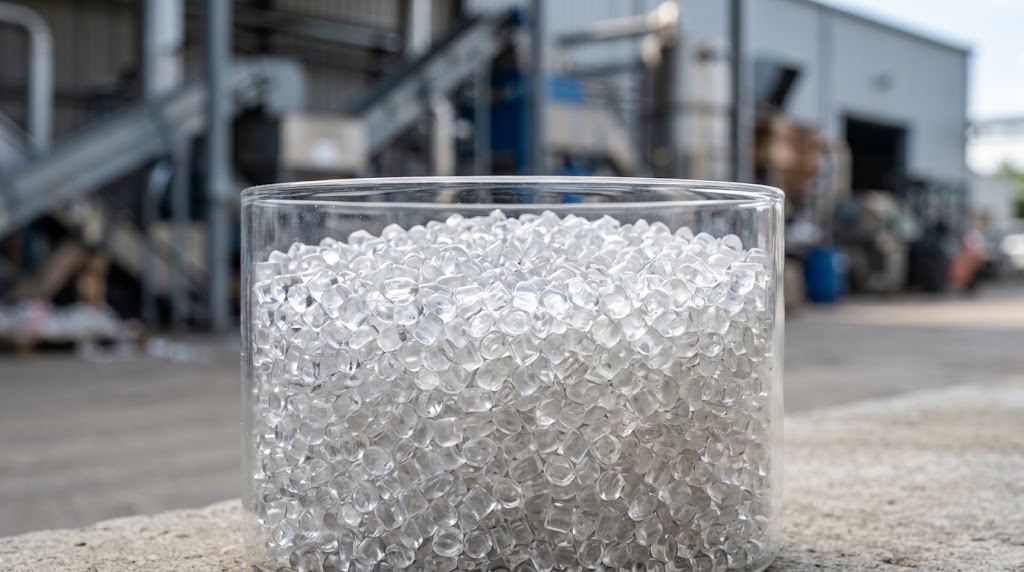
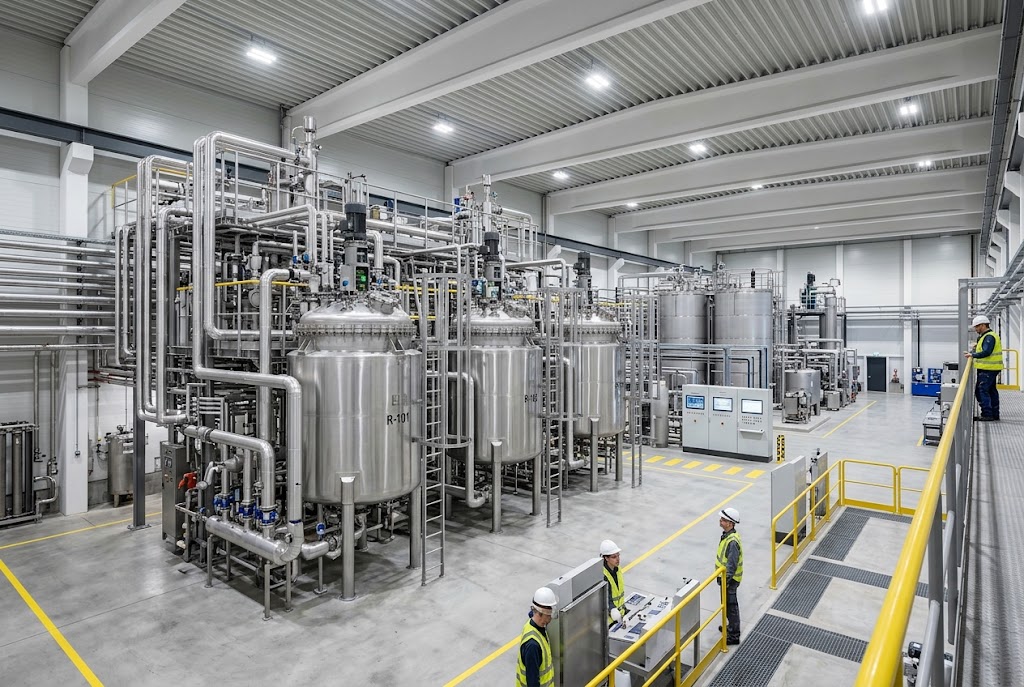
The return of physical production capacity in Gulf chemical recycling facilities does not guarantee the availability of certified recycled feedstocks. The 135-day Hormuz Strait disruption caused physical damage and operational interruptions at 14 key facilities across the UAE, Saudi Arabia and Oman. These sites held critical ISCC PLUS or RSB certifications required for verified recycled content claims.
Recertification is not an automatic process. It demands rigorous physical site visits, detailed mass balance verification and complete chain-of-custody reconstruction. Facility operators currently prioritize restarting production lines over compiling sustainability documentation. This strategic choice creates a significant lag between physical output and certified availability.
Major producers like Dow and SABIC have confirmed delays extending into the fourth quarter of 2026. For global brands with strict 2026 recycled content targets, this gap presents a serious supply chain challenge. Physical material exists but lacks the certification necessary to meet corporate sustainability pledges.
The Certification Bottleneck Explained
ISCC PLUS certification relies on a robust mass balance approach. Auditors must verify that the volume of recycled input matches the volume of certified output. This requires uninterrupted data tracking and regular physical inspections. The Hormuz disruption broke these data chains and prevented scheduled audit visits.
Facilities in Jubail, Ruwais and Sohar suffered varying degrees of operational downtime. Some experienced direct physical damage to storage or processing units. Others faced logistical barriers that prevented auditor access. Reconstructing the chain of custody for material produced during or immediately after the disruption requires extensive manual record review.
Operators face a difficult trade-off. Restarting production generates immediate revenue and helps meet market demand. Completing certification documentation consumes resources and delays output. Most facilities chose to prioritize production restarts. This decision pushes recertification timelines back by approximately six months across the region.
Major Producers Facing Extended Delays
Dow’s Polymers Circular Economy Hub in Jubail represents a significant portion of regional recycled capacity. The facility will not complete its recertification process until Q4 2026. This delay affects the availability of certified circular polymers for downstream customers relying on this specific supply stream.
SABIC’s Trucircle portfolio encounters similar obstacles. As a leader in circular economy solutions, SABIC supplies many global brands with certified recycled materials. The delay in recertification means that while physical Trucircle products may be available, they cannot carry the official certification label until audits conclude.
These delays ripple through the supply chain. Converters and compounders who purchase from these hubs cannot pass on certified status to their own customers. The lack of certification breaks the chain of custody required for end-brand claims. Even if the material is physically recycled, it remains uncertified for regulatory and marketing purposes.
Impact on Global Brand Commitments
Global consumer goods companies have made aggressive public commitments to increase recycled content in their packaging. Unilever pledged to reach 25 percent recycled plastic usage by 2026. Procter and Gamble set a target of 15 percent for its same timeframe. These pledges rely heavily on certified feedstocks from major chemical producers.
The certification delay creates a paradoxical shortage. Physical recycled capacity is coming back online as facilities recover from the Hormuz disruption. Yet certified material remains scarce because the administrative and audit processes lag behind. Brands cannot use uncertified recycled material to meet their public targets without risking greenwashing accusations.
Procurement teams at these brands face intense pressure. They must secure enough certified volume to meet annual goals while dealing with constrained supply. Some may need to adjust their sourcing strategies to include regions outside the Gulf that were less affected by the disruption. Others may need to renegotiate timelines with stakeholders if certified volumes remain insufficient.
Mass Balance Verification Challenges
The core of the delay lies in mass balance verification. Auditors need to trace every ton of recycled input through the production process. Disruptions cause gaps in this tracking. Facilities must reconstruct records from multiple sources including logistics providers, production logs and inventory systems.
This reconstruction is time-consuming and error-prone. Auditors require high confidence in the data before issuing certificates. Any ambiguity leads to further delays as facilities provide additional evidence. The complexity increases when multiple feedstock types are processed simultaneously or when production lines switch between virgin and recycled inputs.
Chain-of-custody documentation must prove that certified material was not double-counted. The disruption increased the risk of administrative errors during the chaotic restart phase. Auditors are applying heightened scrutiny to ensure integrity. This careful approach protects the credibility of the ISCC PLUS system but extends the timeline for all participants.
Strategic Responses for Procurement Teams
Buyers must adapt their sourcing strategies to navigate this certification gap. First, engage directly with suppliers to understand their specific recertification timelines. Request detailed updates on audit progress and expected completion dates. This visibility helps in planning inventory and managing customer expectations.
Second, explore alternative certified sources outside the Gulf region. European and North American recycling facilities may have available certified capacity. While logistics costs might be higher, the certainty of certification provides value for meeting strict corporate targets. Diversifying geographic sources reduces reliance on any single region.
Third, consider interim solutions such as book-and-claim models where applicable. Some certification schemes allow for the trading of environmental attributes separate from physical material. While not a perfect substitute for physical mass balance, this approach can help bridge short-term gaps in certified volume availability.
Looking Ahead to Q4 2026
The recertification backlog should begin clearing in the fourth quarter of 2026. As Dow and SABIC complete their audits, certified volumes will flow back into the market. However, the surge in demand may outpace the sudden increase in certified supply. Prices for certified recycled feedstocks may rise as brands compete for limited verified volumes.
Long-term resilience requires stronger data infrastructure. Facilities should invest in digital tracking systems that can withstand operational disruptions. Automated data capture reduces the manual effort required for chain-of-custody reconstruction. This technological upgrade will minimize future certification delays during unexpected events.
Brands should also build flexibility into their sustainability commitments. Recognizing that external shocks can disrupt certification flows allows for more realistic target setting. Collaborating with suppliers on contingency plans ensures smoother navigation of future challenges.
The Bottom Line for Sustainable Sourcing
The Hormuz disruption revealed the fragility of certified recycled supply chains. Physical capacity and certified availability are not synonymous. Procurement teams must manage both dimensions to meet corporate sustainability goals. The current delay serves as a critical lesson in supply chain resilience.
Proactive engagement with suppliers and diversification of sourcing regions mitigate the impact of certification bottlenecks. Investing in digital traceability tools strengthens long-term reliability. As the industry recovers, the focus must shift from mere production volume to verified sustainable value.
Ready to source certified recycled plastics from verified global suppliers? Explore competitive offers on our platform today.