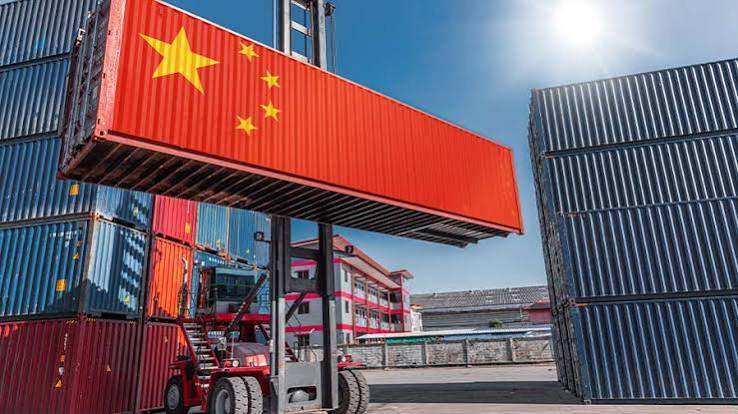
Global container shipping costs remain under pressure as Red Sea disruptions continue to influence freight markets. The latest increase in ex-China shipping rates across major global trade lanes shows that logistics challenges remain a major factor for international chemical buyers and traders. Companies that rely on imported raw materials now face higher transportation costs alongside longer and less predictable transit times.
For procurement teams, freight is no longer just a shipping expense. It has become a strategic factor that affects landed costs, inventory planning and supplier selection. As shipping conditions evolve, businesses that closely monitor freight markets can make more informed sourcing decisions.
Why the Red Sea Remains a Critical Shipping Route
The Red Sea connects Asia with Europe through one of the world's busiest maritime corridors. It supports the movement of containerized cargo, bulk chemicals and industrial raw materials between major manufacturing and consumption markets.
When disruptions occur along this route, shipping companies often adjust their operations by choosing alternative sailing paths. These changes increase voyage distances, vessel operating costs and delivery times, all of which contribute to higher freight rates.
Ex-China Freight Rates Continue Moving Higher
Recent market conditions show that Red Sea-related disruptions remain a major driver behind rising container freight costs from China to key global destinations.
Several factors continue supporting higher rates:
Shipping lines face longer voyages when vessels avoid traditional routes, increasing fuel consumption and operational expenses.
Available vessel capacity becomes tighter as ships spend more time completing each round trip.
Equipment repositioning becomes more complex, creating periodic shortages of empty containers in export hubs.
Increased demand for available shipping space allows carriers to maintain stronger pricing across several trade lanes.
These combined pressures continue influencing freight markets well beyond the affected region.
How Higher Freight Costs Affect Chemical Trade
Chemical products move across international markets in large volumes every day. Transportation costs therefore play a significant role in total procurement expenses.
Importers may experience several commercial impacts:
Higher landed costs reduce purchasing margins for commodity chemicals.
Longer delivery schedules require larger safety inventories.
Contract negotiations increasingly include freight adjustment clauses.
Buyers compare suppliers from multiple regions to reduce logistics exposure.
Freight volatility can become just as important as fluctuations in chemical prices when evaluating sourcing options.
Supply Chain Planning Is Becoming More Complex
Procurement teams now need greater flexibility when managing international supply chains. Traditional purchasing schedules may no longer provide enough protection against transportation delays.
Successful buyers increasingly focus on:
Diversifying supplier locations to reduce dependence on one shipping corridor.
Reviewing inventory policies to maintain production continuity.
Monitoring freight market trends alongside raw material prices.
Building stronger communication with logistics providers and suppliers.
These measures help organizations respond more effectively as shipping conditions continue changing.
Why Chemical Buyers Should Watch Freight Markets Closely
Freight costs directly influence the competitiveness of imported chemicals. Even modest increases in transportation expenses can affect purchasing decisions for high-volume commodities.
Procurement managers should monitor:
Ocean freight rate movements across major export routes.
Port congestion that may extend delivery schedules.
Container availability at major Asian export terminals.
Seasonal shipping demand that could create additional capacity constraints.
Tracking these indicators supports more accurate budgeting and purchasing decisions.
Supplier Relationships Matter More Than Ever
Reliable suppliers provide more than competitive product pricing. They also help buyers navigate changing logistics conditions through better planning and consistent communication.
Businesses should evaluate suppliers based on:
Shipment reliability during periods of logistics disruption.
Flexibility in production and delivery scheduling.
Experience with international documentation and export compliance.
Ability to coordinate efficiently with freight forwarders and shipping partners.
Strong supplier relationships often reduce operational risk when transportation markets become volatile.
What the Market Could Expect Next
Shipping markets remain sensitive to geopolitical developments, vessel availability and changing trade flows. As long as Red Sea disruptions continue influencing global shipping networks, freight costs may remain elevated compared with historical averages.
Market participants should also expect periodic fluctuations rather than a steady pricing trend. Freight markets can react quickly to operational changes, seasonal demand and carrier capacity decisions, making regular market monitoring essential for procurement planning.
What Buyers Should Do Now
The latest increase in ex-China container shipping rates highlights the growing importance of logistics within global chemical procurement. Buyers that evaluate freight costs together with product pricing will gain a clearer understanding of total sourcing costs and improve purchasing decisions.
Diversified sourcing, proactive inventory management and continuous freight monitoring will help businesses manage uncertainty while maintaining supply continuity. Ready to source container shipping dependent chemical products from verified global suppliers? Explore competitive offers on our platform today.