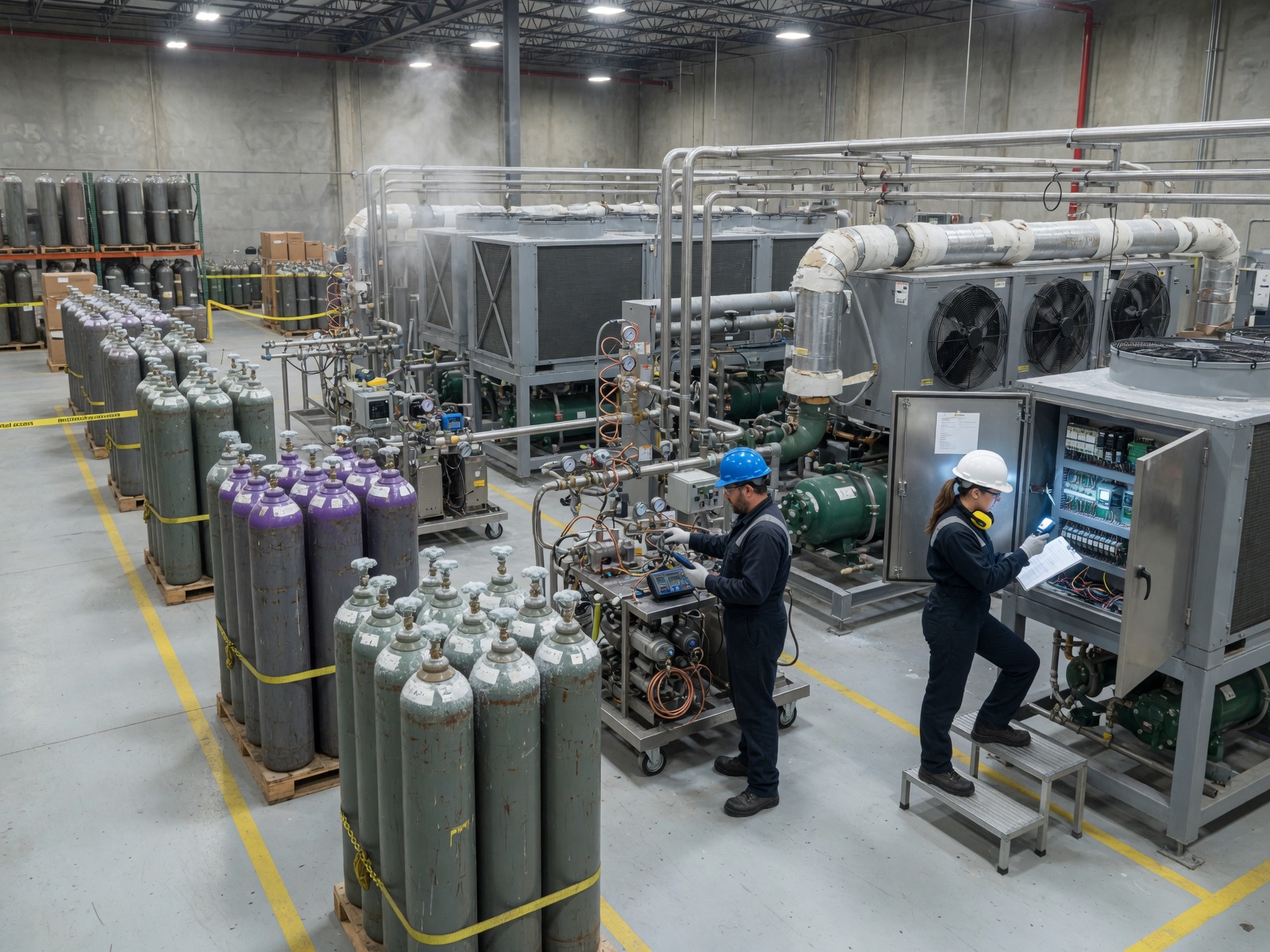
The Refrigerant R22 market experienced one of its most significant pricing events of 2026 when quotations increased by more than 2,000 yuan per tonne within a single week. Such a sharp movement stands out even in today's volatile chemical markets and provides an important signal for buyers responsible for refrigeration, air conditioning and industrial cooling supply chains.
For procurement professionals, sudden price increases are rarely isolated events. They often reflect changing market conditions involving supply availability, production economics or shifts in downstream demand. Understanding these signals early allows organizations to adjust purchasing strategies before additional market changes occur.
Why Refrigerant R22 Remains Commercially Important
Although environmental regulations have encouraged the adoption of newer refrigerants in many applications, Refrigerant R22 continues to serve numerous industrial and commercial systems across many regions.
Common applications include:
Industrial refrigeration systems.
Commercial air conditioning.
Cold storage facilities.
Food processing plants.
Manufacturing cooling equipment.
HVAC servicing and maintenance.
Because many installed systems continue operating with R22, market demand remains significant despite the gradual transition toward alternative refrigerants.
What a Single-Week Price Surge Can Indicate
Large price increases over a short period often suggest that market participants are responding quickly to changing supply and demand conditions.
Possible market drivers include:
Reduced product availability.
Stronger seasonal demand.
Higher production costs.
Inventory tightening.
More cautious supplier pricing.
Even when the exact cause differs from one market to another, rapid price movements typically encourage buyers to reassess procurement plans and inventory requirements.
Procurement Teams Should Act Before Volatility Increases
Sharp price adjustments often trigger greater purchasing activity as buyers seek to secure inventory before additional increases occur.
Priority procurement actions include:
Confirming current supplier quotations.
Reviewing inventory coverage.
Checking delivery lead times.
Comparing regional supply options.
Discussing contract availability with strategic suppliers.
Early engagement with suppliers provides better visibility into market conditions than relying solely on published pricing information.
Downstream Industries Could Experience Cost Pressure
Changes in refrigerant pricing influence a wide range of industries beyond chemical manufacturing.
Businesses that may experience increased procurement costs include:
HVAC service providers.
Commercial refrigeration operators.
Cold chain logistics companies.
Food and beverage manufacturers.
Pharmaceutical storage facilities.
Industrial maintenance contractors.
Organizations with large refrigerant consumption may need to adjust maintenance budgets and purchasing schedules if elevated pricing continues.
Monitoring Price Trends Is More Valuable Than Reacting to One Week
While a single week's increase attracts attention, procurement teams should evaluate whether pricing stabilizes, continues rising or reverses in subsequent weeks.
Useful market indicators include:
Producer operating rates.
Inventory levels.
Distribution availability.
Regional demand patterns.
Supplier pricing announcements.
Following these indicators provides a broader understanding of market direction rather than focusing exclusively on one pricing event.
Long-Term Refrigerant Planning Is Becoming More Strategic
Industrial users increasingly combine short-term purchasing decisions with longer-term refrigerant management strategies.
Procurement teams should regularly evaluate:
Supply continuity.
Approved supplier networks.
Inventory optimisation.
Equipment maintenance schedules.
Future refrigerant transition plans where applicable.
This broader approach strengthens supply resilience while reducing exposure to sudden market fluctuations.
What Buyers Should Do Now
The recent increase of more than 2,000 yuan per tonne demonstrates how quickly refrigerant markets can change. Whether driven by supply conditions, production costs or stronger demand, such rapid pricing movements reinforce the need for continuous market monitoring and proactive supplier engagement.
Organizations should review inventory levels, confirm supplier availability and strengthen procurement planning before additional market volatility develops. Companies that maintain flexible sourcing strategies will be better positioned to manage future price fluctuations while ensuring uninterrupted operations.
Ready to source industrial refrigerants and chemical products from verified global suppliers? Explore competitive offers on our platform today.