Regeneron's Gene Therapy Success Highlights Specialty Biologics Manufacturing Complexity
The recent approval of Otarmeni by Regeneron marks a significant milestone in medical science. This achievement highlights the specialty manufacturing complexity inherent in gene therapy production. Unlike traditional pharmaceuticals these treatments require highly specialized biologics manufacturing capabilities. The processes are distinct from small-molecule drug synthesis and demand rigorous control. Procurement teams must understand these nuances to support the growing gene therapy sector. Supply chains for these advanced therapies are fragile and highly regulated. Sourcing the right raw materials is critical for patient safety and regulatory compliance.
Distinct Differences from Small-Molecule Production
Traditional small-molecule drugs involve chemical synthesis of defined structures. These processes are well understood and easily scaled. Gene therapies operate on a completely different paradigm. They use living cells or viral vectors to deliver genetic material. This biological nature introduces variability and complexity.
Manufacturing facilities must maintain strict sterility and environmental controls. Contamination risks are far higher than in chemical plants. A single breach can ruin an entire batch of high-value product. This sensitivity requires advanced cleanroom technologies and monitoring systems. Suppliers of facility equipment must meet exacting standards for precision and reliability.
The scale of production also differs significantly. Small-molecule plants produce tons of active ingredient. Gene therapy facilities often produce liters or milliliters. This low-volume high-value model changes logistics and storage requirements. Cold chain management becomes essential to preserve product integrity. Buyers must source materials that support these specialized operational needs.
The Critical Role of Viral Vectors
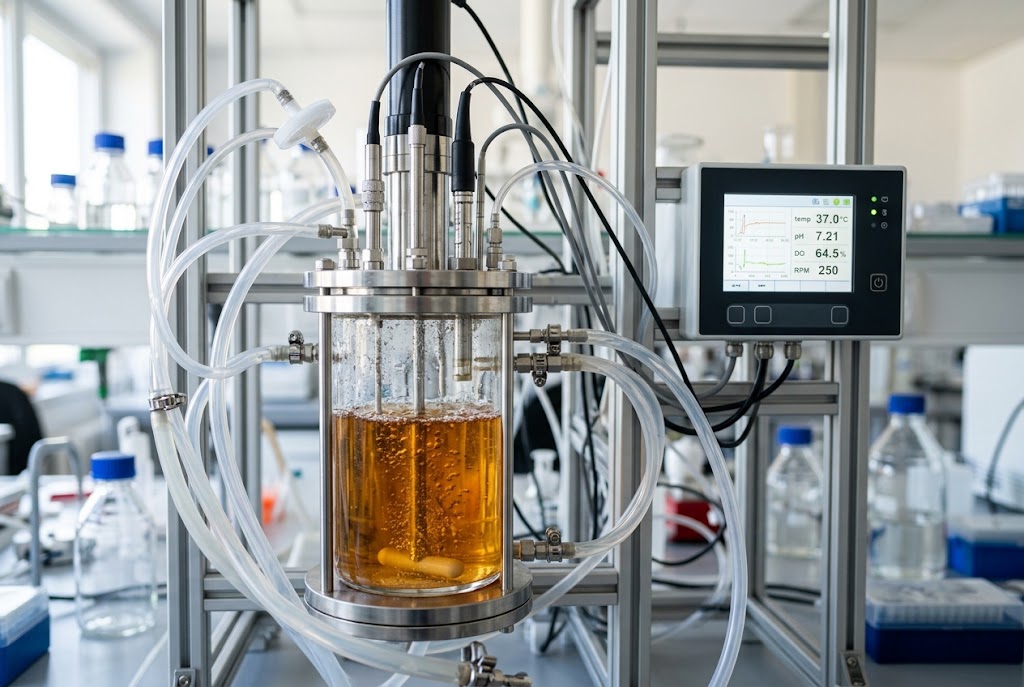
Viral vectors serve as the delivery vehicles for genetic material in many therapies. Producing these vectors is one of the most complex steps in the process. It involves cultivating living cells and infecting them with modified viruses. This biological process is sensitive to minor changes in conditions.
Raw materials for cell culture media are critical inputs. Components such as amino acids sugars and growth factors must be ultra-pure. Impurities can affect vector yield and quality. Consistency in sourcing these ingredients is vital for batch-to-batch reproducibility. Procurement teams need suppliers with robust quality assurance programs.
Scaling up vector production presents significant technical hurdles. Moving from lab scale to commercial volume often reduces efficiency. Optimizing bioreactor conditions requires extensive experimentation. Suppliers who provide scalable solutions help manufacturers overcome these barriers. Technical support and collaboration are key value drivers in this segment.
Cell culture media components require ultra-high purity levels.
Single-use bioreactors reduce contamination risk and cleaning time.
Chromatography resins must handle delicate biological molecules gently.
Filtration systems need to remove viruses without damaging the product.
Supply Chain Vulnerabilities and Risk Management
The gene therapy supply chain is concentrated among few specialized providers. This lack of diversity creates vulnerability to disruptions. A shortage of a single critical reagent can halt production entirely. Manufacturers must map their supply chains deeply to identify risks.
Geopolitical tensions and trade policies impact material availability. Sourcing from multiple regions mitigates some of this risk. However qualifying new suppliers takes time due to regulatory requirements. Changes in raw material sources often require re-validation of the entire process. This rigidity makes rapid switching difficult during crises.
Procurement teams should build strategic partnerships with key suppliers. Long-term agreements ensure priority access during shortages. Collaborative forecasting improves planning accuracy for both parties. Sharing data on inventory levels helps prevent stockouts. Transparency builds trust and resilience in the supply network.
Regulatory Compliance and Quality Assurance
Regulatory agencies impose strict guidelines on gene therapy manufacturing. Good Manufacturing Practice (GMP) standards are non-negotiable. Every step of the process must be documented and verified. Traceability of raw materials is essential for audit purposes.
Suppliers must provide comprehensive documentation for each batch. Certificates of analysis and origin statements are standard requirements. Any deviation from specifications must be reported immediately. This level of scrutiny adds administrative burden but ensures safety. Buyers need suppliers who understand these regulatory expectations.
Quality agreements define responsibilities between manufacturer and supplier. These contracts specify testing protocols and acceptance criteria. Clear communication prevents misunderstandings and delays. Regular audits verify compliance with agreed standards. Maintaining high quality protects patients and brand reputation.
Cost Drivers in Specialty Biologics Manufacturing
Gene therapy production is expensive due to its complexity. High costs stem from specialized equipment and skilled labor. Raw materials for biologics are often priced at a premium. Purity requirements drive up production costs for suppliers.
Efficiency improvements can help reduce these costs over time. Process optimization increases yield and reduces waste. Suppliers offering innovative technologies contribute to this goal. For example single-use systems lower cleaning and validation costs. Adopting such innovations improves overall economics.
Procurement teams must balance cost with quality. Cheaper alternatives may compromise product integrity. Total cost of ownership includes risk of failure and regulatory delays. Investing in high-quality inputs pays off in the long run. Demonstrating value through reliability justifies higher prices.
Future Trends in Gene Therapy Supply Chains
The gene therapy sector is evolving rapidly. New technologies like mRNA and CRISPR are emerging. These platforms have different manufacturing requirements. Supply chains must adapt to support these innovations. Flexibility and agility become competitive advantages.
Personalized medicine adds another layer of complexity. Treatments tailored to individual patients require decentralized manufacturing. Point-of-care production models may emerge. This shift changes logistics and sourcing strategies. Suppliers must prepare for smaller more frequent deliveries.
Sustainability is gaining importance in biologics manufacturing. Reducing plastic waste from single-use systems is a priority. Suppliers developing recyclable or bio-based materials find new opportunities. Aligning with environmental goals enhances brand value. Procurement teams should prioritize sustainable partners.
The Bottom Line for Procurement Teams
Regeneron’s success with Otarmeni underscores the complexity of gene therapy manufacturing. This sector demands specialized biologics capabilities distinct from traditional drugs. Procurement teams must navigate a fragile and highly regulated supply chain. Sourcing high-purity raw materials is critical for product quality and safety.
Building strategic partnerships with reliable suppliers mitigates risk. Understanding regulatory requirements ensures compliance and avoids delays. Investing in quality and innovation supports long-term success. The gene therapy market offers significant growth potential for prepared buyers. Adapting to these unique challenges secures a competitive edge.
Ready to source specialty biologics materials from verified global suppliers? Explore competitive offers on our platform today.

D-Calcium Pantothenate (Vitamin B5)
Found this useful?