Reliance Industries’ Crude-to-Chemicals Vision Signals a Major Shift in Petrochemical Strategy
Reliance Industries is placing chemicals at the centre of its long-term strategy as transportation fuel demand approaches a structural turning point. Its massive Jamnagar complex already integrates crude refining with petrochemical production, and the company is expanding its Oil-to-Chemicals approach to extract greater value from hydrocarbon feedstocks.
The strategy reflects a broader shift in the energy and chemicals industry. As demand patterns change across gasoline and other transportation fuels, refinery operators can increasingly direct suitable feedstocks toward olefins, aromatics, polymers and other chemical building blocks with established industrial demand. Reliance describes its approach as an Oil-to-Chemicals strategy designed to connect crude, refining, petrochemicals and downstream materials within an integrated value chain.
Reliance’s Crude-to-Chemicals Strategy Takes Shape
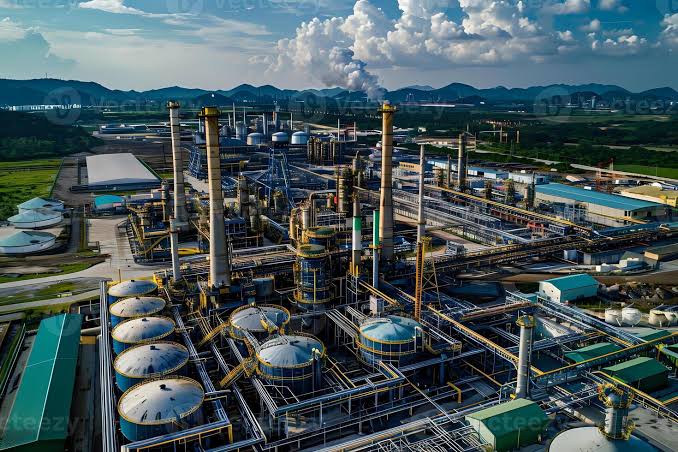
Reliance has developed one of the world's most integrated refining and petrochemical platforms at Jamnagar in Gujarat. The complex has crude processing capacity of about 1.4 million barrels per day and a refinery complexity index of 21.1, giving it significant flexibility in processing different crude grades and optimizing product yields.
The company's long-term direction is to move beyond the conventional model of converting crude primarily into transportation fuels. Instead, more of the refinery's output can feed chemical production where market conditions support stronger value creation.
This strategy builds on assets that already connect refining with crackers and downstream facilities. Reliance's petrochemical portfolio spans polymers, elastomers, fibre intermediates, polyesters and other chemicals, creating multiple routes for converting hydrocarbon feedstocks into higher-value materials.
Why Chemical Building Blocks Matter to Refinery Economics
Chemical building blocks sit at the foundation of numerous manufacturing chains. Ethylene, propylene, benzene, paraxylene and related intermediates can move into plastics, polyester, solvents, resins, fibres and specialty chemicals.
For an integrated refinery, the ability to shift feedstocks between fuels and chemicals provides greater flexibility when market margins change. Reliance's existing configuration already demonstrates this model through facilities including fluid catalytic cracking, refinery off-gas cracking, paraxylene, polypropylene and petcoke gasification.
The commercial significance extends beyond individual products. An integrated operator can optimize crude selection, refinery yields, chemical production and logistics together rather than treating each stage as a separate business.
That flexibility becomes particularly important when crude prices, freight costs and regional petrochemical margins move rapidly.
Jamnagar Gives Reliance a Large Integrated Feedstock Base
Jamnagar provides the physical foundation for Reliance's crude-to-chemicals ambitions. The complex can process a wide range of crude grades while operating alongside major petrochemical units and extensive logistics infrastructure.
The company also operates a refinery off-gas cracker and has developed capabilities to capture value from refinery streams that can serve as petrochemical feedstocks.
Several downstream chains are already connected to this structure:
Aromatics: Reliance produces paraxylene, benzene and ortho xylene, which serve as feedstocks for polyester and other chemical applications.
Fibre intermediates: The company produces monoethylene glycol, diethylene glycol and triethylene glycol across multiple sites in Western India.
Polymers: Polypropylene and other polymer products connect refinery and petrochemical feedstocks with packaging, consumer products and industrial applications.
Polyesters: Purified terephthalic acid, monoethylene glycol and PET connect petrochemical production with fibres, packaging and films.
Petrochemical Feedstock Flexibility Could Reshape Trade Flows
For chemical traders and procurement teams, the most important implication is not simply higher chemical production. It is the potential change in how feedstocks and finished chemicals move through regional markets.
Reliance already has a significant export presence. Its Jamnagar operations export paraxylene to major petrochemical customers in Asia, while the company also describes itself as a major global merchant exporter of benzene.
Greater integration could allow Reliance to adjust production according to regional economics. When chemical margins strengthen, refinery streams can support greater chemical output. When transportation fuel economics improve, the company can retain flexibility across its product slate.
For buyers, this creates several considerations:
Regional availability: Increased production of selected chemical intermediates could create additional supply opportunities for Asian buyers.
Export competition: Higher availability from large integrated producers can influence sourcing options and regional supplier competition.
Feedstock economics: Changes in crude and refinery economics can affect downstream chemical pricing.
Contract strategy: Buyers may need to monitor both petrochemical margins and refinery conditions when negotiating longer-term supply arrangements.
Monoethylene Glycol and Downstream Chemical Demand
Monoethylene glycol, commonly known as MEG, illustrates how refinery and petrochemical integration can support downstream manufacturing chains.
Reliance currently produces MEG at several Western Indian locations and operates a 1.0 million tonne per year MEG plant at Jamnagar, bringing its stated MEG capacity to 1.7 million tonnes per year. MEG is primarily used in polyester yarn, polyester staple fibre, PET resin and PET film, while also serving applications such as coolants and industrial resins.
The significance for procurement teams is the connection between an upstream hydrocarbon feedstock and multiple downstream markets.
A buyer sourcing MEG is therefore exposed not only to direct product availability but also to refinery operations, ethylene economics, polyester demand and broader Asian petrochemical conditions.
This interconnected structure makes supply intelligence increasingly important for companies that depend on consistent chemical availability.
What the Shift Means for Asian Chemical Buyers
Asia remains a critical market for petrochemical consumption and trade. Reliance's existing infrastructure positions India as both a major production centre and a potential source of additional chemical supply for regional customers.
Procurement teams should therefore track developments through several layers rather than monitoring individual product prices alone.
Key indicators include:
Crude processing rates: Higher refinery utilization can influence the availability of intermediate streams and chemical feedstocks.
Petrochemical margins: Changes in olefin and aromatic margins can affect how integrated producers allocate feedstocks.
Regional demand: Polyester, packaging, construction and consumer goods activity can influence demand for polymers and intermediates.
Freight conditions: Shipping costs and route disruptions can change the competitiveness of imported material even when product availability remains stable.
New capacity: Additional refining or chemical capacity can alter regional supply balances and create new sourcing opportunities.
Reliance's FY26 materials show how its O2C business is already managing crude sourcing, refinery utilization, product mix and freight as interconnected commercial variables.
Integration Could Strengthen Reliance’s Position Across Chemicals
Reliance's crude-to-chemicals strategy does not represent a standalone expansion into one chemical category. It builds on an existing network covering refining, crackers, aromatics, polymers, fibre intermediates and polyesters.
The company's petrochemicals business includes manufacturing sites across India and Malaysia, supported by integrated logistics and supply infrastructure. Reliance states that its O2C model connects oil with transportation fuels, polymers, elastomers, intermediates and polyesters.
This breadth gives the company multiple routes to monetize hydrocarbon feedstocks.
For chemical traders, that can mean a supplier with the ability to participate across several linked product markets. For importers and industrial buyers, it can create opportunities to consolidate sourcing while also increasing the importance of understanding producer allocation decisions.
Sustainability and the Future of Oil-to-Chemicals
The crude-to-chemicals model also sits within a wider transition in the energy industry. Reliance has stated a goal of reaching net-zero carbon emissions by 2035 and is developing initiatives around lower-carbon energy use, circularity and new materials.
The company is also working on technologies and projects connected with bio-chemicals, synthetic biology, sustainable specialty products and energy efficiency. These initiatives suggest that its longer-term chemicals strategy is not limited to conventional hydrocarbon conversion.
For buyers, sustainability requirements are increasingly becoming part of procurement decisions. Chemical suppliers that can combine scale, feedstock flexibility and lower-carbon initiatives may become more relevant as customers assess both supply security and environmental requirements.
What Procurement Teams Should Watch Through 2027
Reliance's continued movement toward crude-to-chemicals creates several areas that procurement managers should monitor closely.
Capacity additions will be important because new petrochemical units can change regional balances and influence import requirements.
Product integration also matters. Changes in refinery operations can affect multiple chemical chains simultaneously, meaning buyers should avoid relying on isolated product indicators.
Asian trade flows deserve close attention because increased Indian chemical availability could influence sourcing patterns across nearby markets.
Supply agreements may also evolve as buyers seek greater visibility on allocation, specifications, delivery schedules and origin.
For traders, the opportunity lies in identifying products where changing refinery economics could create additional export availability. For industrial consumers, the priority is maintaining supply resilience while comparing offers across multiple origins and production routes.
The Bottom Line for Chemical Procurement
Reliance Industries' crude-to-chemicals strategy highlights how the future of refining can increasingly depend on the ability to convert hydrocarbon feedstocks into a diversified portfolio of chemical building blocks. Jamnagar's scale, complexity and integration provide the company with a strong platform for connecting crude processing with petrochemical production.
The development matters for chemical traders and buyers because changes at a major integrated complex can influence regional availability, export flows and competitive sourcing across several downstream markets.
As transportation fuel demand evolves, procurement teams should monitor refinery utilization, petrochemical margins, new capacity, freight conditions and downstream demand together rather than treating each chemical market independently.

Monoethylene glycol
Found this useful?