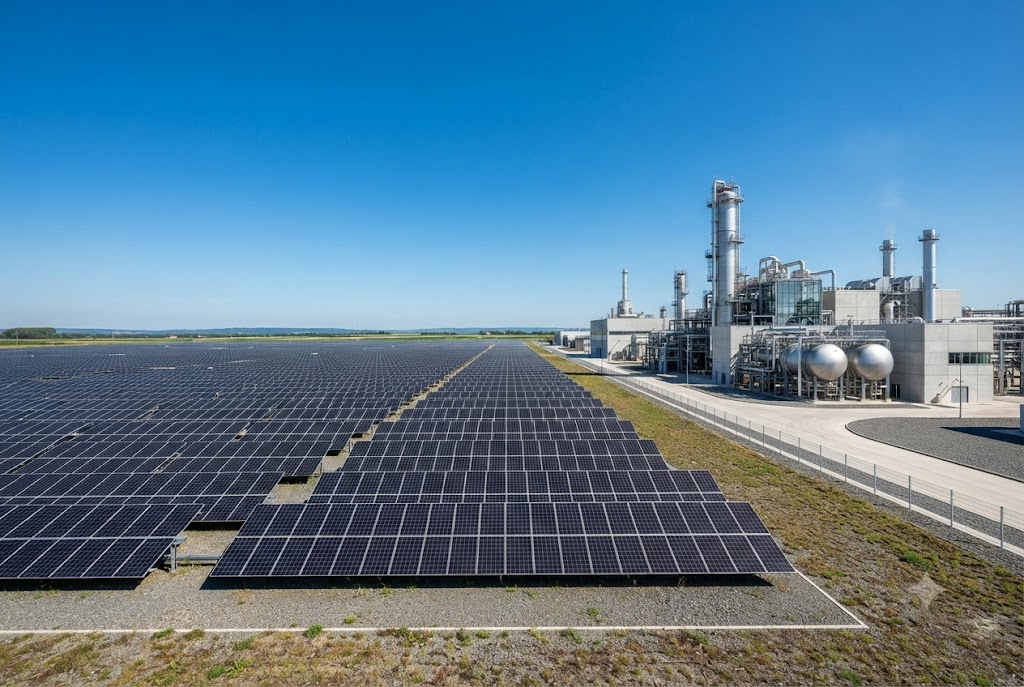
The global energy landscape is shifting rapidly as major industrial players accelerate their renewable transitions. Repsol reported that its green and solar production reached 2.5 terawatt-hours in the second quarter of 2026. This figure represents a substantial 59% increase from the same period in 2025. Such rapid growth signals a decisive move away from traditional fossil fuel dependency. Procurement managers and chemical traders must recognize the implications of this operational shift. Increased renewable generation directly impacts the carbon footprint of industrial processes. Buyers sourcing energy-intensive chemicals need to understand how this transition affects supply chain sustainability metrics. The surge in renewable energy output provides a more stable and predictable power source for manufacturing facilities. Ignoring this trend could lead to misalignment with corporate environmental goals. Strategic preparation is essential for leveraging the benefits of green energy integration.
Understanding the Scale of Renewable Expansion
A 59% year-on-year increase in energy production is a significant operational milestone. It reflects aggressive investment in solar farms and wind assets across Repsol’s portfolio. The 2.5 terawatt-hour output demonstrates the scalability of these renewable projects. This volume is sufficient to power numerous industrial complexes and reduce reliance on grid electricity.
The expansion aligns with global decarbonization targets and regulatory mandates. Governments worldwide are incentivizing renewable energy adoption through subsidies and tax credits. Repsol’s strategy capitalizes on these policy drivers to enhance profitability. The company is not only meeting internal consumption needs but also contributing excess power to the grid.
This scale of production requires sophisticated management systems. Advanced forecasting tools optimize energy dispatch and storage. These technologies ensure consistent power availability despite weather variability. Buyers benefit from the stability provided by such robust infrastructure. It reduces the risk of production interruptions due to energy shortages.
Impact on Industrial Chemical Manufacturing
Chemical production is highly energy-intensive. Processes such as cracking, distillation and electrolysis require vast amounts of electricity and heat. Access to affordable green energy lowers the overall cost of manufacturing. It also reduces the carbon intensity of final products.
Repsol’s increased renewable output supports its own chemical operations. This vertical integration allows the company to produce low-carbon chemicals at competitive prices. Buyers seeking sustainable materials will find these offerings increasingly attractive. The ability to verify the renewable origin of energy inputs simplifies Scope 2 emissions reporting.
Reduced carbon footprint for downstream chemical products. This helps buyers meet their own sustainability targets.
Enhanced energy security for manufacturing facilities. On-site generation mitigates grid volatility and price spikes.
Improved competitiveness in markets with strict environmental regulations. Low-carbon products command premium pricing in certain sectors.
These benefits create a strong business case for integrating renewable energy into industrial operations. Procurement teams should prioritize suppliers who demonstrate similar commitments to green power.
Strategic Sourcing for Low-Carbon Materials
Procurement strategies must evolve to account for the growing importance of energy sources. Buyers should evaluate suppliers based on their renewable energy mix. Companies with high shares of green power offer lower embedded carbon in their products. This metric is becoming a key differentiator in supplier selection.
Negotiating contracts that specify renewable energy usage can provide additional value. Some suppliers offer guarantees of origin certificates for their energy consumption. These documents serve as proof of sustainable practices. Procurement professionals should include these requirements in their vendor qualification criteria.
Diversifying the supply base to include green-focused manufacturers enhances resilience. It protects against future carbon taxes and regulatory penalties. Buyers should also explore partnerships with suppliers investing in their own renewable capacity. Collaborative projects can drive innovation and cost savings for both parties.
Regulatory Drivers for Green Energy Adoption
Global regulations are becoming increasingly stringent regarding industrial emissions. Carbon pricing mechanisms and emission trading schemes raise the cost of fossil fuel usage. This regulatory pressure drives investment in renewable energy technologies.
Repsol’s expansion aligns with European Union climate goals and national decarbonization strategies. Compliance with these regulations is essential for maintaining operational licenses. Buyers must stay informed about changing policies in their operating regions. Proactive adoption of green energy prevents costly penalties and operational disruptions.
The chemical industry faces particular scrutiny due to its high energy intensity. Early adopters of renewable power gain a competitive advantage. They can market their products as low-carbon alternatives. This differentiation appeals to environmentally conscious consumers and B2B clients.
Sustainability and Circular Economy Integration
Renewable energy supports the transition toward a circular economy. It enables the electrification of industrial processes that previously relied on combustion. This shift reduces waste and improves resource efficiency.
Repsol is exploring various pathways for integrating green power into its operations. These initiatives include electric boilers and heat pumps for process heating. Such technologies reduce the overall carbon footprint of manufacturing. Procurement teams should prioritize suppliers who offer circular solutions.
Sourcing from partners who integrate renewable energy enhances corporate sustainability profiles. It demonstrates commitment to environmental stewardship to stakeholders. This alignment strengthens brand reputation and customer loyalty. Buyers should view green energy as an opportunity rather than just a compliance cost.
Market Outlook for Industrial Renewables
The market for industrial renewable energy is projected to grow significantly. Successful expansions like Repsol’s will drive wider adoption. Technology costs are expected to decrease as scale increases.
Innovation will continue to improve energy storage and grid integration. Battery systems and smart grids enable more efficient use of renewable power. Buyers should stay informed about emerging technologies and service offerings. Partnering with innovative suppliers provides access to cutting-edge solutions.
Price stability for green energy may improve as production scales up. However, initial investment costs remain high. Flexible financing and government incentives help manage these expenses. Monitoring global market trends enables proactive decision-making for procurement teams.
What Buyers Should Do Now
Review your current sustainability strategies and energy procurement policies. Identify opportunities to prioritize suppliers with high renewable energy usage. Initiate conversations with key vendors to discuss their green energy roadmaps.
Request updated carbon footprint data and certificates of origin for supplied products. Verify that all partners meet your specific regulatory and sustainability requirements. Explore opportunities for joint investments in renewable energy projects.
Implement robust tracking systems to monitor Scope 2 emissions and reduction progress. Train procurement staff on the importance of energy source transparency. Building a resilient and sustainable supply chain is essential for long-term success.
Ready to source sustainable chemicals from verified global suppliers? Explore competitive offers on our platform today.