Repsol's New Renewable Diesel Plant Signals Growth in Spain's Biofuels Market
Repsol's New Renewable Diesel Plant Signals Growth in Spain's Biofuels Market
Spain's energy sector just got a fresh signal about where renewable diesel production is headed. Repsol has switched on a new plant in Puertollano with capacity for 200,000 tons a year, backed by a €130 million investment. The launch lands alongside some of the company's strongest industrial results in recent memory, with adjusted industrial earnings reaching €1.683 billion for the period. For chemical traders and biofuel buyers watching Europe's feedstock and fuel markets, the timing of this expansion says a lot about where demand and capital are flowing right now.
Why Puertollano Matters for Renewable Diesel Supply
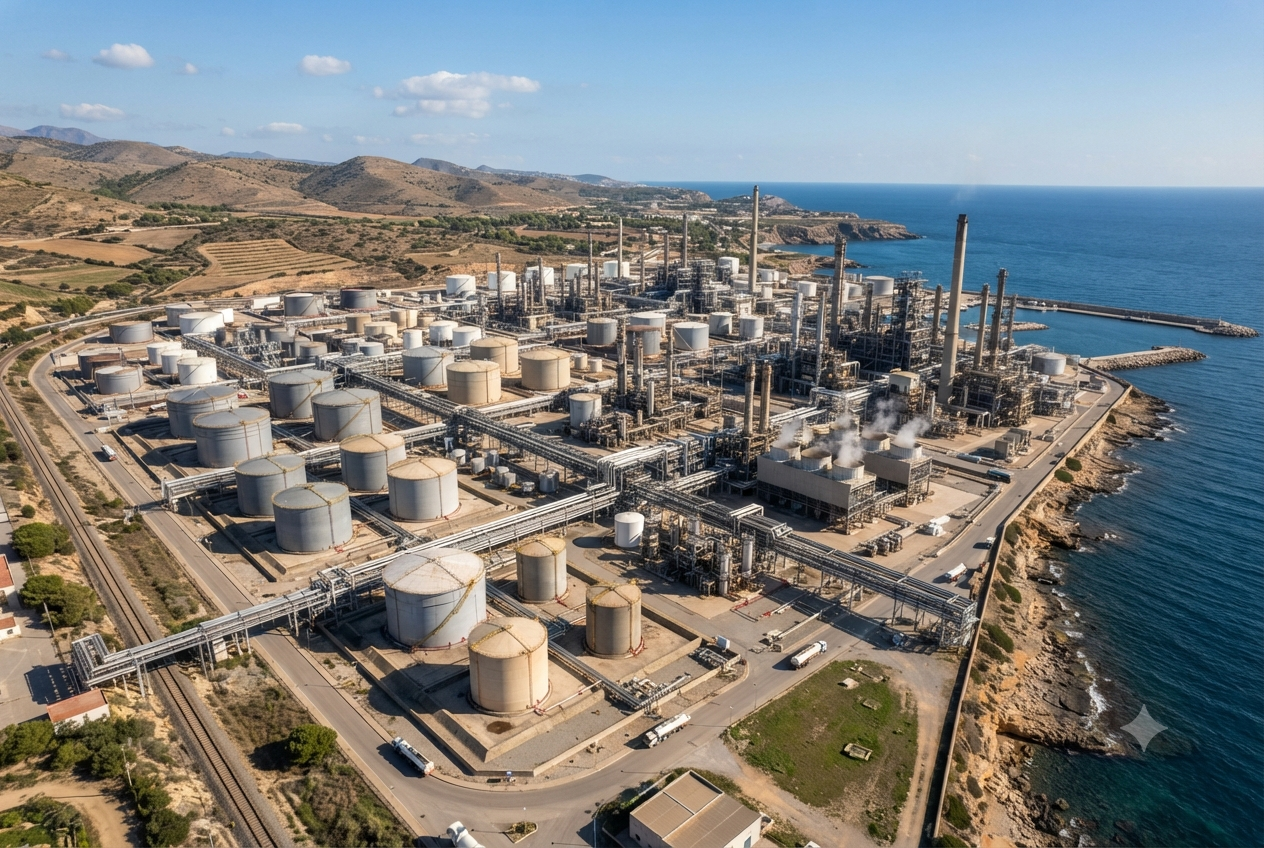
Puertollano has long served as one of Repsol's key industrial hubs in Spain, and adding renewable diesel capacity there strengthens its role in the country's broader energy transition plans. A 200,000 ton annual output is a meaningful addition to regional supply, especially as European buyers face tightening rules around fossil fuel blending.
Plants of this scale typically rely on feedstocks such as used cooking oil, animal fats and vegetable oils rather than crude-derived inputs. That shift changes the sourcing conversation for procurement teams who previously dealt only in traditional diesel supply chains.
Repsol's Earnings Strength Behind the Investment
The €1.683 billion in adjusted industrial earnings gives useful context for why Repsol chose to commit capital to this project now. Strong industrial performance often translates into faster reinvestment cycles, and renewable fuels have become one of the clearer growth areas for major European energy companies.
A few factors line up here:
Diversified revenue base: Industrial earnings growth gives Repsol room to fund lower-margin, higher-growth segments like renewable fuels without straining its balance sheet.
Policy tailwinds: EU renewable energy directives continue to push refiners toward blending targets, making renewable diesel capacity a strategic asset rather than a side project.
Feedstock positioning: Owning production capacity early allows Repsol to lock in supply agreements before feedstock competition intensifies further.
What This Means for Feedstock and Fuel Buyers
Buyers sourcing vegetable oils, used cooking oil or animal fat feedstocks should watch this expansion closely. Every new renewable diesel plant adds fresh demand pressure on the same pool of feedstock suppliers that food processors and oleochemical buyers also depend on.
This can tighten availability and shift pricing dynamics across several linked markets:
Crude and refined vegetable oil suppliers may see increased inquiries from fuel producers competing with food-grade buyers.
Traders handling used cooking oil collection networks could find new offtake opportunities as plants like Puertollano scale up.
Regional logistics providers near Spanish ports and refining hubs may see shifting freight patterns as feedstock imports increase.
Regulatory Push Behind Europe's Renewable Fuel Growth
The EU has steadily raised its renewable fuel blending mandates over recent years, and Spain has moved to align domestic policy with those targets. Plants like Repsol's Puertollano facility are a direct response to that regulatory direction rather than a purely opportunistic investment.
Procurement teams working across the EU should expect more of this pattern. As blending mandates tighten, refiners with existing industrial infrastructure are well positioned to add renewable capacity faster than newer market entrants.
How This Fits Spain's Broader Industrial Growth
Repsol's combination of record industrial earnings and fresh renewable investment reflects a wider trend among European energy majors. Companies with strong traditional refining margins are using that cash flow to build out cleaner fuel segments rather than treating them as separate from core operations.
This matters for buyers because it suggests renewable fuel supply from established players like Repsol may prove more stable than supply from smaller, less capitalized producers. Scale and balance sheet strength both play a role in how reliably a supplier can meet long term contracts.
What Procurement Teams Should Watch Next
Buyers and traders tracking this space should keep an eye on a few developments over the coming months:
Whether Repsol announces further renewable capacity additions at other Spanish or European sites.
How feedstock prices for used cooking oil and vegetable oils respond to rising demand from new renewable diesel plants.
Any updates to EU blending mandates that could accelerate similar investments from competing refiners.
The Puertollano plant is a clear marker of where Spain's fuel market is heading, and it is unlikely to be the last announcement of its kind this year.
The Bottom Line for Biofuel Buyers
Repsol's new renewable diesel plant at Puertollano, paired with strong industrial earnings, points to a European fuel market that is moving steadily toward renewable capacity backed by major players with real financial muscle. For buyers and traders in feedstock and fuel supply chains, this is a moment to reassess sourcing relationships and watch how competition for renewable feedstocks develops over the next several quarters.

Crude Palm Oil
Found this useful?