
Repsol's Sines Expansion Adds New Petrochemical Capacity in Portugal
The European petrochemical landscape is poised for a significant capacity addition as Repsol prepares to launch its expanded facilities in Portugal. The company confirmed that the Sines chemical expansion project is scheduled to start operations in the third or fourth quarter of 2026. This strategic investment marks a critical step in strengthening regional supply chains for base chemicals and polymers.
The Sines complex already serves as a cornerstone of integrated refining and chemical operations. The upcoming expansion focuses on increasing production efficiency and output of high-demand polyolefins. These materials remain essential for packaging, automotive components and construction applications across the continent.
Procurement managers and industrial buyers must prepare for this upcoming capacity addition. Understanding the timeline and scope of the Sines project allows teams to plan their sourcing strategies more effectively. It signals a definitive shift toward greater self-sufficiency in the European market.
Strategic Importance of the Sines Complex
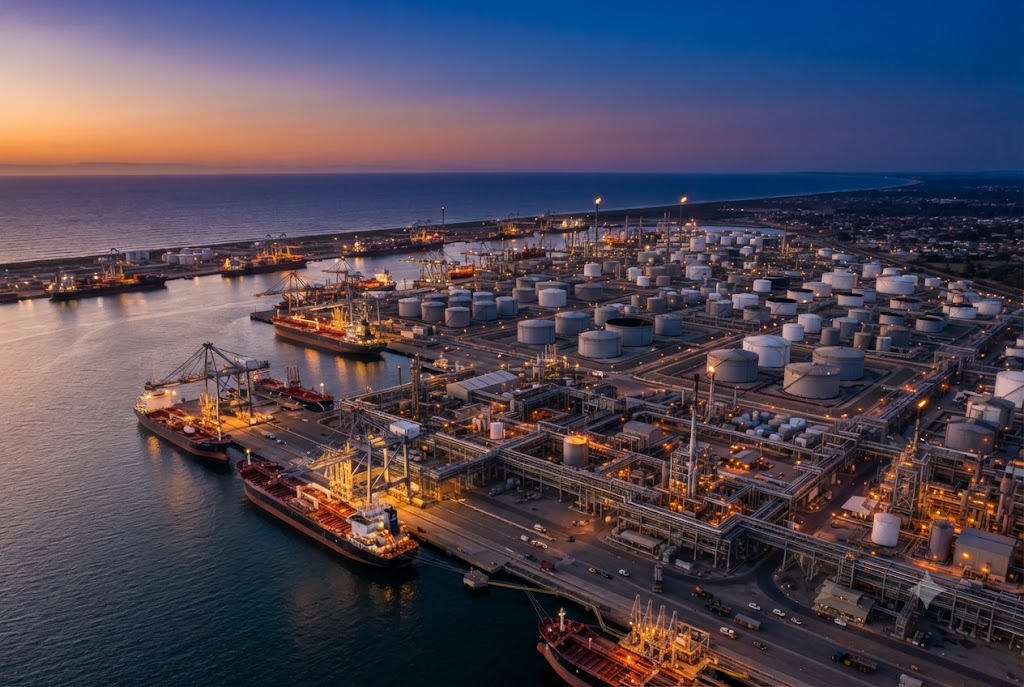
Sines holds a unique geographic advantage as one of the deepest water ports in Europe. This location facilitates efficient import of crude oil and export of finished chemical products. The integration of refining and chemical manufacturing on site creates significant operational synergies.
The expansion leverages this existing infrastructure to maximize value. By producing key intermediates locally, Repsol reduces dependency on imported feedstocks. This vertical integration enhances cost competitiveness and supply reliability. It also lowers the carbon footprint associated with long distance transportation of raw materials.
The project aligns with broader European goals for industrial resilience. Recent global disruptions have highlighted the risks of relying heavily on distant supply sources. Adding domestic capacity helps buffer against geopolitical tensions and logistics bottlenecks. Buyers benefit from shorter lead times and more predictable delivery schedules.
Focus on Polyolefin Production Capacity
The core of the Sines expansion involves upgrading cracker units and polymerization lines. These improvements will boost output of polyethylene and polypropylene grades. These polyolefins rank among the most widely used plastics globally due to their versatility and durability.
Increased local production helps meet growing demand from key end use sectors. The packaging industry continues to drive volume growth as e commerce expands. Automotive manufacturers also increase their use of lightweight plastic components to improve fuel efficiency.
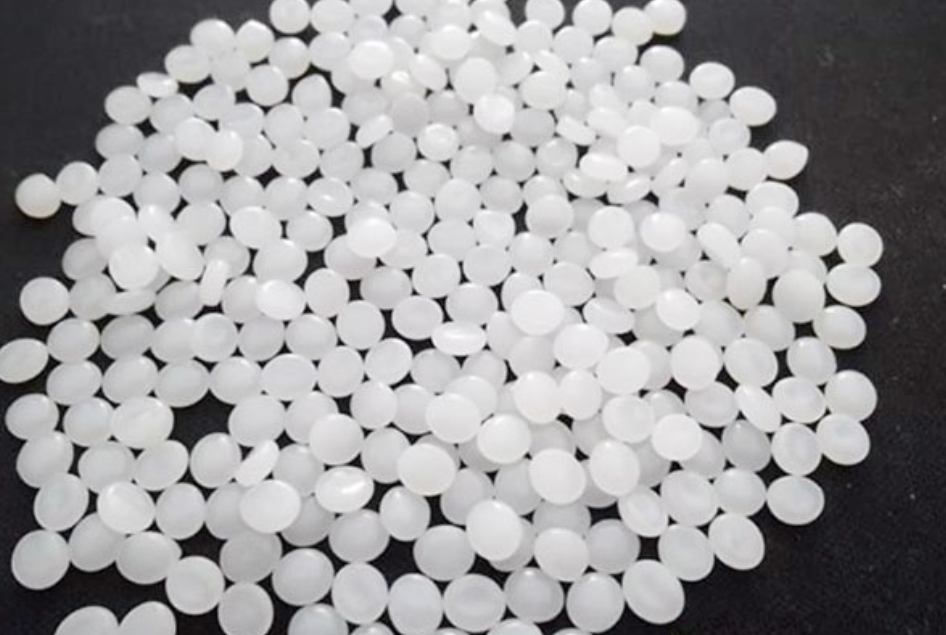
Enhanced production of high density polyethylene for rigid packaging. This supports the growing demand for durable consumer goods containers.
Increased output of polypropylene for automotive and textile applications. Local manufacturers gain reliable access to essential engineering plastics.
Improved flexibility to produce specialized grades for niche markets. Custom formulations address specific industrial performance requirements.
This focus on high volume commodities ensures steady revenue streams for the producer. It also provides buyers with reliable access to standard grades needed for everyday manufacturing. The ability to customize grades further adds value for specific industrial applications.
Impact on European Supply Chain Resilience
Europe has faced challenges in maintaining competitive chemical production due to high energy costs and regulatory pressures. The Sines expansion demonstrates confidence in the long term viability of the region. Repsol has optimized the facility for energy efficiency to mitigate operational expenses.
Local availability of these chemicals reduces exposure to global freight volatility. Import tariffs and shipping delays become less relevant when supply remains domestic. This stability proves crucial for just in time manufacturing models prevalent in European industries.
Procurement teams can leverage this local source to reduce inventory holding costs. Shorter supply chains allow for more frequent and smaller deliveries. This agility improves cash flow and reduces warehousing requirements. It also enhances responsiveness to sudden changes in market demand.
Regional Market Deep Dive for Iberian Chemicals
The Iberian Peninsula has historically served as a vital gateway for chemical trade between Europe, Africa and the Americas. The Sines expansion capitalizes on this geographic positioning to serve multiple continents efficiently. Local manufacturers gain a competitive edge through reduced transit times to key export markets.
European buyers will notice a distinct shift in regional availability. Domestic production reduces the need to source base polymers from distant Asian or Middle Eastern suppliers. This localization strategy insulates the regional market from global shipping disruptions and freight rate volatility.
Reduced reliance on transoceanic shipping routes for base chemical imports. This localization minimizes exposure to global freight bottlenecks.
Faster response times to sudden shifts in European manufacturing demand. Local suppliers can adjust production schedules more rapidly than distant exporters.
Lower overall carbon emissions associated with regional material distribution. Shorter transit distances directly support corporate sustainability mandates.
This regional focus strengthens the entire European supply chain. Procurement managers can build more resilient sourcing models by prioritizing geographically proximate suppliers. The Sines facility will act as a reliable anchor for Iberian and broader European industrial needs.
Sustainability and Circular Economy Integration
Modern chemical expansions must address environmental concerns to gain regulatory approval and social license. The Sines project incorporates advanced technologies to minimize emissions and waste. Energy efficient processes reduce the overall carbon intensity of production.
Repsol is also integrating circular economy principles into the operation. Plans include capabilities to process recycled feedstocks alongside virgin materials. This hybrid approach supports the transition toward sustainable plastic production. Buyers with strict environmental targets will find these efforts aligned with their corporate goals.
Water management and waste treatment systems have been upgraded to meet stringent European standards. These investments ensure long term operational compliance. They also protect the local environment and community relations. Sustainable practices increasingly become a key differentiator in supplier selection.
Navigating the Pre Startup Phase
As the late 2026 startup date approaches, buyers should prepare for the transition. Initial production runs may focus on qualifying equipment and validating product quality. Full commercial volumes will ramp up gradually over subsequent months.
Engaging with the sales team now can help secure allocation in early batches. Long term agreements signed before startup often include favorable pricing terms. These contracts provide price certainty during the initial market entry phase. They also guarantee supply priority as demand builds.
Quality verification remains critical during the startup period. Buyers should request samples from trial runs to test compatibility with their processes. Early feedback helps the producer adjust parameters to meet specific customer needs. Collaborative qualification accelerates the path to full commercial acceptance.
Market Outlook for Late 2026 and Beyond
The addition of Sines capacity will influence regional pricing dynamics. Increased local supply may exert downward pressure on spot prices for polyolefins. However strong demand fundamentals are expected to absorb much of the new volume.
Competitors in Europe will need to respond with their own efficiency improvements or capacity adjustments. The market may see increased competition for premium grades and specialized applications. Buyers will have more options and potentially better service levels as suppliers vie for market share.
Global trade flows may shift as Europe becomes less dependent on imports. Export opportunities from Sines to nearby regions like North Africa could emerge. This dynamic creates a more balanced and resilient regional market structure. Monitoring these shifts helps buyers optimize their global sourcing strategies.
What Buyers Should Do Now
Review your current polyolefin supply contracts and expiration dates. Identify opportunities to incorporate Repsol Sines output into your mix. Contact suppliers to discuss potential partnerships and volume commitments for late 2026.
Assess your technical requirements for new polymer grades. Prepare testing protocols to evaluate samples from the upcoming startup. Early engagement ensures a smooth transition and minimizes production disruptions.
Monitor market reports for updates on the Sines startup timeline. Flexibility in planning allows you to capitalize on early availability. Building relationships with the new capacity source now positions you for long term success.
Ready to source polyolefins from verified global suppliers? Explore competitive offers on our platform today.
High Density Polyethylene (HDPE)
Found this useful?