Resilient Chemical Supply Chains: Multi-Origin Sourcing & Logistics Network Design
In the chemical industry, supply chain disruptions can halt production, damage brand reputation, and inflate costs. A resilient network hinges on sourcing from multiple origins, diversifying suppliers, and integrating robust logistics planning. This article walks through the design principles that enable chemical logistics networks to absorb shocks while maintaining efficiency.
Key Principles of Multi‑Origin Sourcing
Geographic Distribution
Distributing raw material inputs across continents reduces the impact of regional disruptions such as natural disasters or political instability. By balancing sources in North America, Europe, Asia, and Africa, a company can maintain continuity even when one region faces significant supply constraints.
Supplier Tier Structure
A layered supplier base—primary, secondary, and tertiary—provides fallback options when a primary partner faces capacity constraints or quality issues. Tier‑2 and Tier‑3 vendors should be vetted through rigorous capability assessments, ensuring they can step in when needed without compromising safety or compliance.
Performance Metrics

Establish clear KPIs for lead time, quality, and reliability. Use a scorecard that aggregates data from all tiers, allowing managers to spot trends and preemptively negotiate capacity or safety clauses with suppliers.
Supplier Diversification Strategies
Alternative Supplier Development
Invest in relationships with emerging suppliers who can offer niche or alternative feedstocks. This not only diversifies risk but also opens pathways to more sustainable or specialty chemicals that may command higher margins.
Supplier Audits and Certifications
Conduct regular audits aligned with ISO 9001, ISO 14001, Appearance and safety standards. Certifications provide assurance that a supplier can meet the stringent regulatory and safety requirements of the chemical sector.
Collaboration and Co‑Development
Collaborate with suppliers on joint product development or process optimization. Shared innovation reduces dependency on a single source and aligns incentives for continuous improvement across the supply chain.
Logistics Network Design
Hub‑Spoke vs. Direct Shipments
Choose between a hub‑spoke model—centralizing inventory in strategic warehouses—or direct shipments from multiple suppliers to end users. Each model offers trade‑offs between inventory carrying costs, delivery speed, and risk exposure.
Transportation Mode Optimization
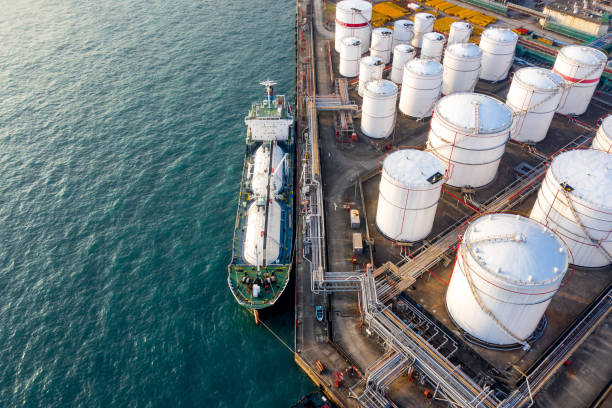
Integrate multimodal transport options (rail, truck, sea, and pipeline) to mitigate disruptions caused by蝉 transport strikes or port closures. Use a dynamic routing engine that recalculates routes in real time based on traffic, weather, and regulatory changes.
Risk‑Based Routing
Map critical risk factors—such as geopolitical hotspots, flood zones, and congestion nodes—onto the transportation-demands matrix. Prioritize routes that minimize exposure while maintaining service levels.
Supply Chain Risk Management
Scenario Planning
Run scenario simulations that model events like a supplier shutdown, port blockage, or a sudden spike in demand. Use the outcomes to adjust safety stock levels, reorder points, and transport buffers.
Insurance and Hedging
Secure comprehensive cargo insurance that covers both physical loss and transit delays. Consider financial hedging for commodity price volatility, especially for feedstock inputs that drive production costs.
Continuous Improvement Loop
Implement a closed‑loop feedback system where incident reports feed into a risk database. Regularly update risk assessments and adjust sourcing or logistics plans accordingly.
Procurement Strategy Integration
Strategic Sourcing Framework
Align procurement objectives with overall corporate risk appetite. Use a demand‑driven approach that balances cost competitiveness with resilience metrics.
Contractual Safeguards
Embed clauses for minimum supply guarantees, penalty for non‑delivery, and escalation procedures for quality defects. These contractual tools help enforce reliability across all tiers.
Technology Enablement
Deploy procurement and supply chain software that offers real‑time visibility, predictive analytics, and automated alerts. Integration with supplier portals streamlines order placement and reduces manual errors.
Implementation Roadmap
Audit Current Network – Map existing supplier relationships, logistics routes, and risk exposures.
Define Resilience Objectives – Set measurable targets for lead time, inventory turns, and risk mitigation.
Identify Multi‑Origin Opportunities – Shortlist alternative suppliers and assess geographic diversification potential.
Redesign Logistics Network – Re‑engineer hubs, routes, and transport modes to align with risk profiles.
Integrate Procurement & IT Systems – Ensure data flow across procurement, inventory, and transportation modules.
Pilot & Scale – Test the new design in a controlled environment, measure performance, and roll out across the portfolio.
Continuous Monitoring – Use dashboards to track KPIs and trigger corrective actions automatically.
Resilience in chemical logistics is no longer optional; it is a competitive differentiator. By structuring a multi‑origin sourcing strategy, diversifying suppliers, and designing a risk‑aware logistics network, companies can safeguard their operations against unpredictable disruptions. A disciplined procurement strategy, coupled with technology and continuous improvement, ensures that the supply chain remains agile, reliable, and profitable.

Acrylonitrile Butadiene Styrene (ABS)
Found this useful?