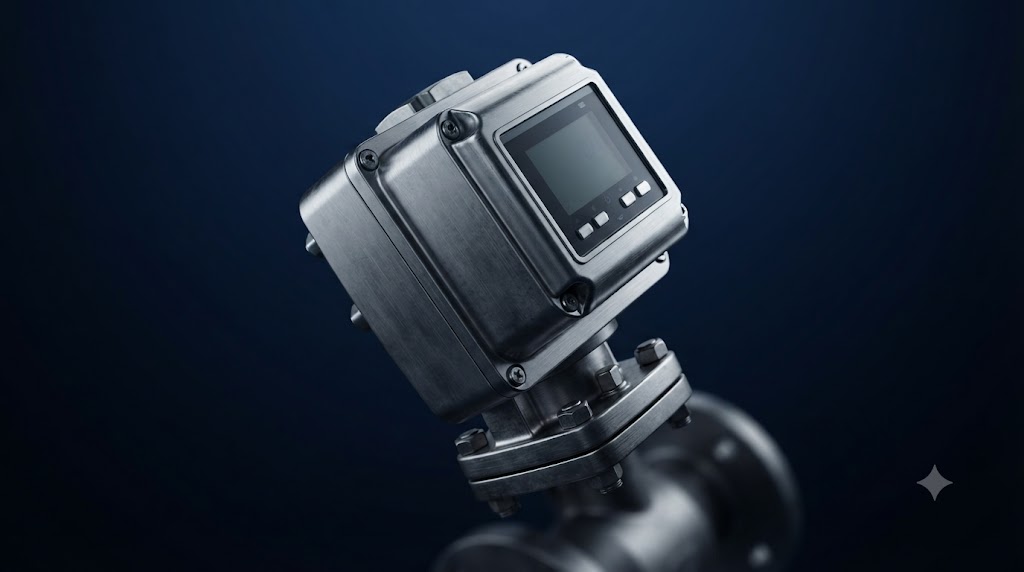
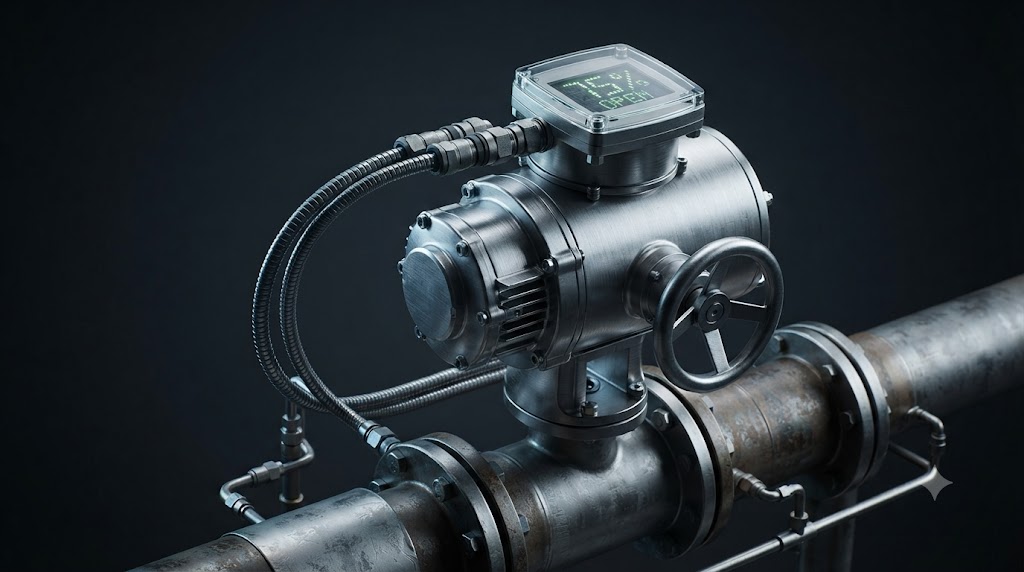
Rotork generated approximately $1 billion in revenue during 2025 while achieving an adjusted operating profit margin of 24.6%, positioning the company as an immediately accretive addition to ABB’s portfolio. Financial analysts project this transaction will add roughly 3% to ABB’s consolidated revenues upon closing, reflecting both top-line scale and superior profitability relative to the acquirer’s existing automation segments. For industrial procurement teams and equipment distributors, these robust margins signal durable competitive advantages in intelligent flow control markets where qualified suppliers remain scarce. The combination suggests ABB views Rotork’s business model as structurally sound rather than requiring aggressive turnaround intervention post-acquisition. Buyers should interpret sustained high margins as evidence of pricing power derived from technical differentiation and installed base lock-in effects. This financial strength also implies capacity for continued R&D investment that supports long-term product roadmap viability. Market participants now anticipate integration plans that preserve rather than disrupt these profitable operational characteristics.
What High Operating Margins Signal About Competitive Position
Operating margins exceeding twenty percent in industrial hardware businesses typically indicate meaningful barriers to entry protecting incumbent suppliers from commoditization pressures. Rotork achieves this profitability through proprietary actuator designs, extensive global certification portfolios and deep integration into customer-critical infrastructure that creates high switching costs. Competitors cannot easily replicate decades of field-proven reliability data or accumulated application engineering expertise that justify premium pricing.
Recurring aftermarket revenue streams contribute disproportionately to overall profitability compared to original equipment sales. Spare parts, retrofits and digital service subscriptions carry significantly higher margins than new unit shipments because they leverage existing installed bases without proportional manufacturing overhead. This revenue mix insulates the business from cyclical capital expenditure fluctuations that plague pure-play equipment manufacturers.
Geographic diversification further stabilizes margin profiles by reducing exposure to any single regional economic cycle. Rotork maintains balanced operations across Europe, Asia and the Americas with local manufacturing and service capabilities in each major market. This structural resilience enables consistent pricing discipline even when specific end markets experience temporary demand weakness.
Immediately accretive acquisitions allow acquirers to pursue integration more deliberately without urgent pressure to extract synergies through disruptive cost cutting. ABB can afford to retain key personnel, maintain R&D spending levels and honor existing customer commitments during transition periods. This measured approach reduces execution risk that often undermines value creation in leveraged or margin-dilutive deals.
Financial strength also provides flexibility to invest in growth initiatives alongside integration activities. ABB may accelerate Rotork’s digital transformation efforts or expand geographic reach through combined channel networks without compromising near-term earnings targets. Buyers benefit from this dual focus because supplier capabilities improve rather than stagnate during ownership transitions.
The absence of margin recovery urgency reduces likelihood of aggressive price increases aimed at quick profitability improvements. Suppliers facing integration pressure sometimes attempt to pass costs onto customers prematurely, damaging relationships and inviting competitive responses. Rotork’s standalone profitability removes this temptation and supports commercial continuity.
Pricing Power Dynamics in Flow Control Markets
High operating margins reflect Rotork’s ability to maintain pricing discipline despite competitive alternatives in certain segments. Customers specify intelligent actuators based on total lifecycle cost calculations rather than initial purchase price alone, recognizing that premature failures in critical applications generate exponentially larger downstream expenses. This value-based purchasing dynamic protects suppliers who demonstrate superior reliability and support capabilities.
Installed base effects create additional pricing leverage as customers standardize on specific platforms across multiple facilities. Training technicians on diverse actuator brands increases operational complexity and spare parts inventory costs, incentivizing consolidation around proven suppliers. Rotork benefits from this stickiness once its products achieve specification status in major industrial complexes.
Buyers should recognize that margin sustainability depends on continued innovation rather than static competitive advantages. Suppliers resting on legacy positions eventually face disruption from newer technologies offering comparable performance at lower costs. Monitoring Rotork’s R&D investment levels post-acquisition provides early warning signals about long-term pricing trajectory risks.
Capacity Investment Signals From Strong Cash Generation
Profitable operations generate internal cash flows that fund organic capacity expansion without reliance on external financing or parent company subsidies. Rotork’s margin profile suggests self-sustaining growth capability that ABB can complement rather than replace with centralized capital allocation. Buyers gain confidence in supply continuity when suppliers demonstrate independent financial viability alongside strategic ownership benefits.
Cash generation also enables proactive inventory management strategies that buffer against component shortages or logistics disruptions. Well-capitalized suppliers maintain strategic stock levels of critical subcomponents and finished goods to meet unexpected demand surges. This operational resilience translates directly into higher service levels and shorter lead times for customers managing lean inventories.
R&D funding adequacy deserves particular attention during integration phases when acquirers sometimes redirect resources toward synergy capture projects. Rotork’s standalone profitability provides justification for maintaining dedicated innovation budgets that support next-generation product development. Procurement teams should request updated roadmap commitments to verify continued investment alignment with their own technology adoption timelines.
Aftermarket Revenue Stability During Ownership Transitions
Aftermarket business segments typically exhibit greater stability than original equipment sales during M&A integration periods. Existing customers continue requiring spare parts and maintenance services regardless of ownership changes, providing predictable revenue anchors. Rotork’s strong aftermarket contribution therefore acts as a shock absorber if new equipment orders temporarily slow during transition uncertainty.
Service contract renewals offer opportunities to strengthen customer relationships through enhanced value propositions under new ownership. ABB may bundle Rotork services with broader automation offerings to create integrated solutions competitors cannot match. Buyers should evaluate these bundled proposals carefully to identify genuine efficiency gains versus simple repackaging of existing services.
Digital service adoption accelerates recurring revenue growth while improving customer operational outcomes. Remote monitoring and predictive maintenance capabilities reduce unplanned downtime and optimize maintenance scheduling for asset-intensive operators. Suppliers leading this transition build deeper customer intimacy and higher switching costs that reinforce margin durability over time.
Adjusting Sourcing Strategies Around Profitable Suppliers
Benchmark current Rotork pricing against pre-acquisition baselines to detect early margin expansion attempts enabled by reduced competitive intensity.
Request transparency on R&D investment commitments and product roadmap timelines to validate continued innovation momentum post-integration.
Evaluate bundled solution economics combining ABB drives and controls with Rotork actuators for potential total cost advantages beyond unit pricing.
Maintain qualified alternative suppliers for critical actuator applications to preserve negotiation leverage despite high switching costs.
Monitor aftermarket service level metrics during transition periods to ensure quality standards remain consistent amid organizational changes.
Rotork’s 24.6% operating margin and $1 billion revenue base transform the ABB acquisition from speculative bet into financially validated strategic repositioning. Industrial procurement professionals who understand these profitability signals will navigate supply relationships more effectively during integration and beyond. Ready to source electric actuators from verified global suppliers? Explore competitive offers on our platform today.