Rotork's Water and Wastewater Customer Base Overlaps With Agrochemical Water Treatment Needs
Rotork's Water and Wastewater Customer Base Overlaps With Agrochemical Water Treatment Needs
Introduction
Water management is a critical component of modern agrochemical manufacturing, where large volumes of water are used in production processes, cooling systems, cleaning operations, and wastewater treatment. Rotork's strong presence in the water and wastewater sector highlights the growing importance of intelligent flow control and automation technologies that can also benefit agrochemical production facilities.
As environmental regulations become more stringent and manufacturers seek greater operational efficiency, advanced water treatment solutions are increasingly essential for reducing resource consumption, ensuring regulatory compliance, and supporting sustainable manufacturing practices.
Why Water Management Matters in Agrochemical Manufacturing
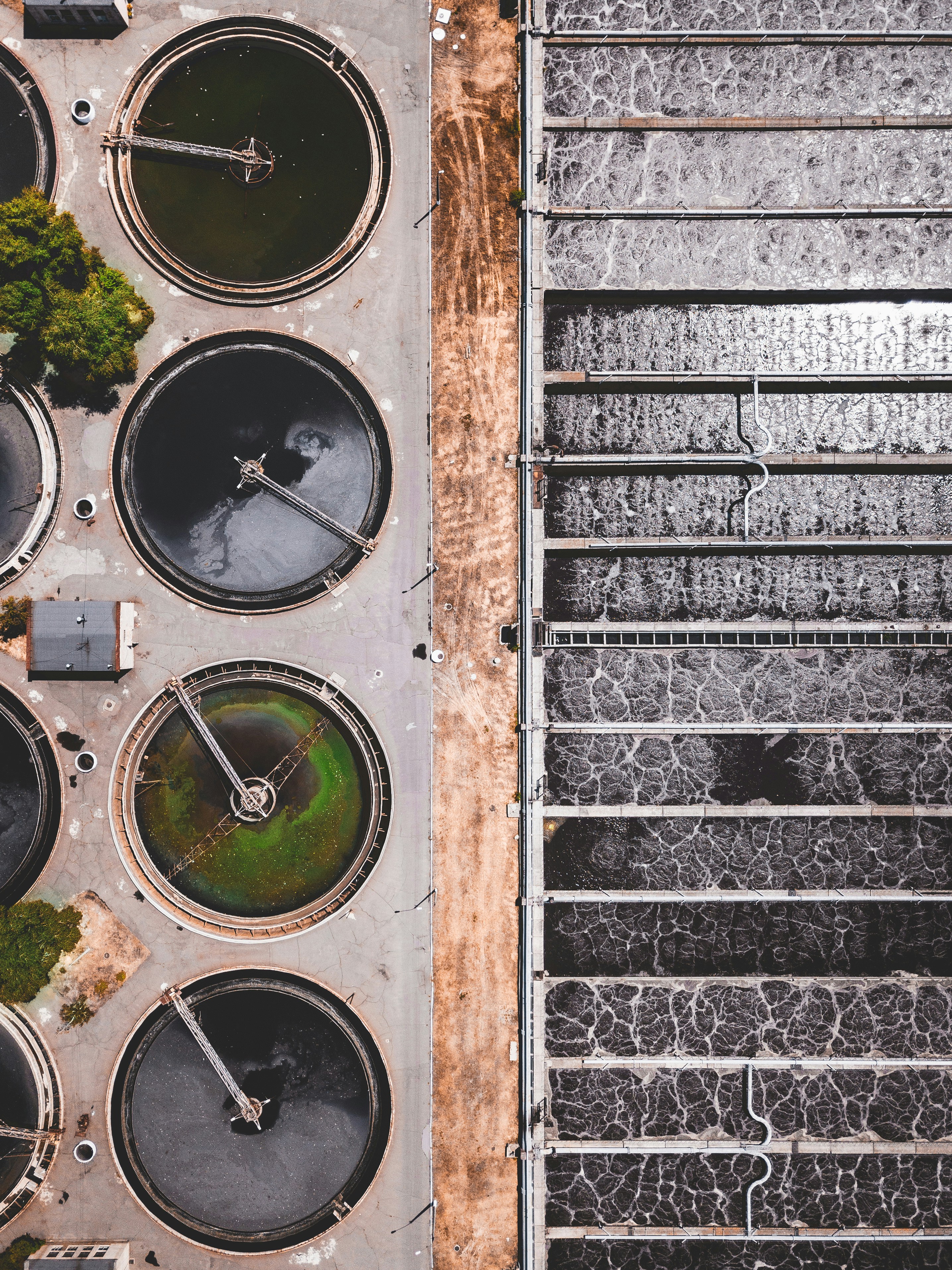
Agrochemical production generates wastewater containing chemical residues, process contaminants, and dissolved solids that must be treated before discharge or reuse. Efficient water management helps manufacturers reduce environmental impact while improving operational performance.
Water systems are commonly used for:
Process cooling
Equipment cleaning
Chemical formulation
Steam generation
Utility operations
Wastewater treatment
Water recycling and reuse
Reliable treatment systems ensure safe operations and compliance with environmental standards.
The Role of Automation in Water Treatment
Modern water treatment facilities increasingly depend on automated control systems to optimize treatment processes and improve plant efficiency.
Key applications include:
Intelligent Valve Control
Automated valves regulate water flow, pressure, and chemical dosing to maintain consistent treatment performance.
Real-Time Process Monitoring
Sensors continuously monitor water quality, flow rates, pH levels, and other critical operating parameters.
Predictive Maintenance
Digital monitoring systems identify equipment wear before failures occur, reducing downtime and maintenance costs.
Remote Operations
Operators can monitor and control water treatment systems remotely, improving response times and operational flexibility.
Benefits for Agrochemical Manufacturers
Advanced water treatment technologies offer several operational and environmental advantages.
These include:
Improved water efficiency
Reduced operating costs
Lower environmental impact
Enhanced regulatory compliance
Reduced equipment downtime
Better process reliability
Increased resource conservation
These improvements help manufacturers achieve both sustainability and productivity objectives.
Sustainability and Water Reuse
Water scarcity and environmental regulations are encouraging manufacturers to adopt circular water management practices.
Important sustainability initiatives include:
Wastewater recycling
Water reuse systems
Reduced freshwater consumption
Energy-efficient treatment technologies
Digital monitoring of water usage
Improved chemical dosing efficiency
These practices help reduce environmental footprints while supporting long-term resource resilience.
Procurement Considerations for Water Infrastructure
Procurement and engineering teams should evaluate water treatment technologies based on long-term operational performance and lifecycle value.
Key evaluation criteria include:
Equipment reliability
Automation capabilities
Digital integration
Maintenance requirements
Energy efficiency
Regulatory compliance
Technical support availability
Selecting advanced automation solutions can reduce total operating costs while improving treatment performance.
Future Outlook
As industrial facilities continue investing in digital transformation, water treatment systems are expected to become more intelligent, connected, and efficient. Technologies such as Industrial Internet of Things (IIoT), artificial intelligence, predictive analytics, and smart valve automation will play an increasingly important role in optimizing water management across agrochemical manufacturing.
Companies that invest in advanced water treatment infrastructure today will be better positioned to meet future environmental regulations, improve operational resilience, and strengthen sustainability performance.
Conclusion
Rotork's strong presence in the water and wastewater sector demonstrates the increasing value of intelligent automation and flow control technologies across industrial operations. For agrochemical manufacturers, many of these same technologies can support efficient water treatment, improve regulatory compliance, and enhance resource management.
As sustainability expectations continue to grow, investments in modern water treatment and automation solutions will remain essential for building more efficient, environmentally responsible, and future-ready agrochemical manufacturing facilities.

Acrylic Acid (99.5%) - China
Found this useful?