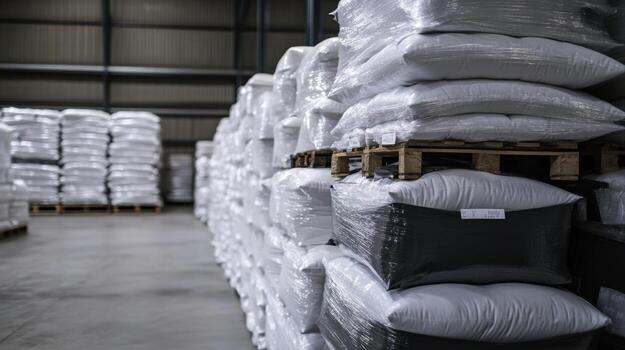
When the rupee slides against major currencies, Indian chemical exporters face a double‑edged sword. On one side, a weaker rupee makes their products cheaper for buyers abroad, potentially driving higher demand. On the other, the cost of raw materials, energy, and logistics—many of which are priced in dollars—escalates, squeezing profit margins.
Export Competitiveness Gains
Price competitiveness is the most immediate benefit of rupee depreciation. A 10% fall in the rupee can translate into a 10% price reduction for a company that sells in US dollars, making Indian chemicals more attractive against European or Asian rivals.
For exporters focusing on bulk fertilizers, specialty chemicals, or petrochemicals, this price edge can open new market segments, especially in price‑sensitive regions such as Southeast Asia and Africa.
However, the same currency shift inflates the cost of imported inputs. Most feedstocks—petroleum derivatives, ammonia, and advanced polymers—are sourced globally and invoiced in dollars.
When the rupee weakens, the rupee amount required to purchase the same quantity of feedstock rises, eroding margins unless companies renegotiate contracts or shift to domestic sourcing.
Strategic Procurement Economics
Exporters are adopting new procurement tactics, such as:
Forward Contracts: Locking in exchange rates ahead of bulk purchases.
Local Sourcing: Moving to Indian suppliers where possible, even if unit costs are higher, to avoid foreign exchange exposure.
Vertical Integration: Investing in upstream assets to control raw material prices.
Logistics Costs and Supply Chain Adjustments
Shipping costs, especially for bulk chemicals, are paid in dollars. A weaker rupee means higher rupee equivalents for each freight bill, adding to overall expense.
Exporters are responding by:
Optimizing shipping routes to reduce fuel consumption.
Consolidating cargo to maximize container utilization.
Exploring rail-to-sea intermodal solutions to cut handling fees.
Impact on Trade Margins
Trade margins are the ultimate barometer of success. While a devalued rupee can boost sales volume, the simultaneous rise in input and logistics costs can neutralize gains.
Companies that have diversified product portfolios or secured long‑term price agreements are better positioned to maintain healthy margins.
Case Studies: Adapting to Currency Volatility
Several Indian chemical firms have already implemented adaptive strategies:
Company A: Shifted 30% of its ammonia procurement to domestic suppliers, cutting input cost exposure by 15%.
Company B: Entered a 5‑year forward contract for diesel, stabilizing logistics HM costs.
Company C: Leveraged a blended financing model, using a mix of rupee and foreign currency loans to balance debt servicing costs.
Looking Ahead: Policy and Market Signals
Government initiatives, such as the “Make in India” push for upstream petrochemical plants, could reduce dependence on imports. Meanwhile, RBI’s foreign exchange policies may moderate rupee swings, but exporters should remain vigilant.
For the next 12‑18 months, the trade math for Тим chemical exporters will hinge on how quickly they can adjust procurement and logistics strategies to the new currency reality.