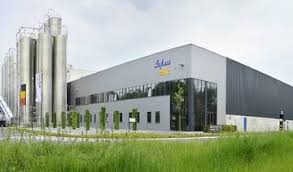
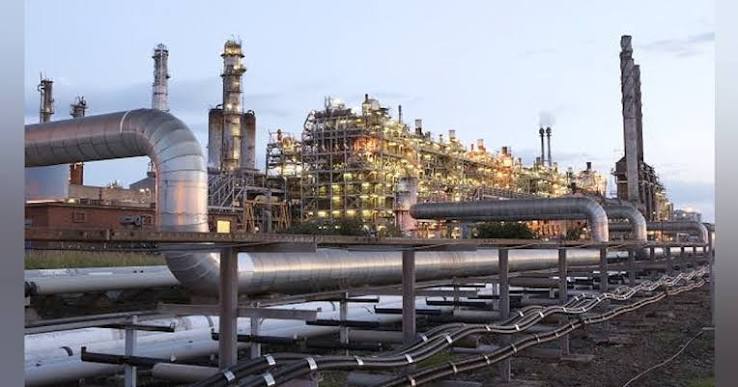
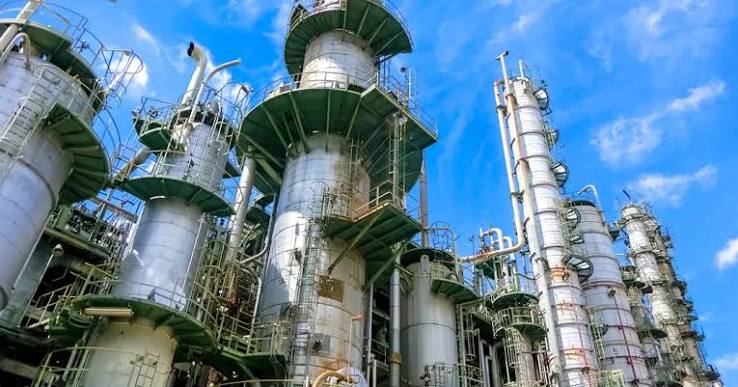
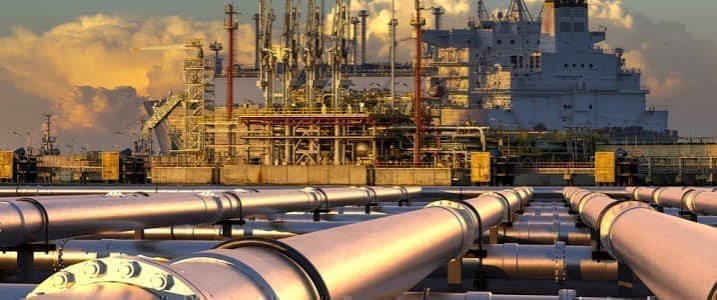
SABIC's decision to sell its European petrochemicals business to German investment firm AEQUITA represents a different approach to Europe's ongoing petrochemical restructuring. Announced in January 2026, the deal covers assets across the UK, Germany, Belgium and the Netherlands, with a reported transaction value of approximately $500 million. Instead of shutting the facilities, SABIC is transferring ownership to a new investor that intends to pursue a different strategy for the assets.
Why SABIC Is Leaving the European Market
The transaction comes as European petrochemical producers face persistent challenges, including high energy and feedstock costs, weak demand and increasing competition from newer and lower-cost production capacity elsewhere. SABIC's exit allows the company to reduce its exposure to these structural pressures while concentrating capital on businesses and regions with stronger long-term returns. The deal also demonstrates that European assets can still attract investors even when their original owners no longer consider them strategically attractive.
What AEQUITA Plans to Do With the Assets
AEQUITA's approach is focused on operational improvement and long-term restructuring rather than simply maintaining the assets unchanged. The investment firm specializes in acquiring businesses that require transformation and then improving their competitiveness through operational efficiencies, portfolio management and targeted investment. For SABIC's former European petrochemical assets, this creates the possibility of a more focused business model, with AEQUITA able to assess individual facilities based on their profitability, customer relationships and strategic value.
A Different Path for Europe's Petrochemical Assets
The SABIC-AEQUITA transaction is important because it shows that Europe's petrochemical restructuring does not always have to end with an immediate plant closure. Some assets may be transferred to investors willing to operate them under a leaner structure or reposition them for different markets. Whether AEQUITA can make the portfolio competitive will depend on energy costs, European demand, plant efficiency and the ability to secure sustainable margins. For the wider industry, the deal provides an important test of whether distressed European petrochemical assets can be successfully turned around under new ownership.