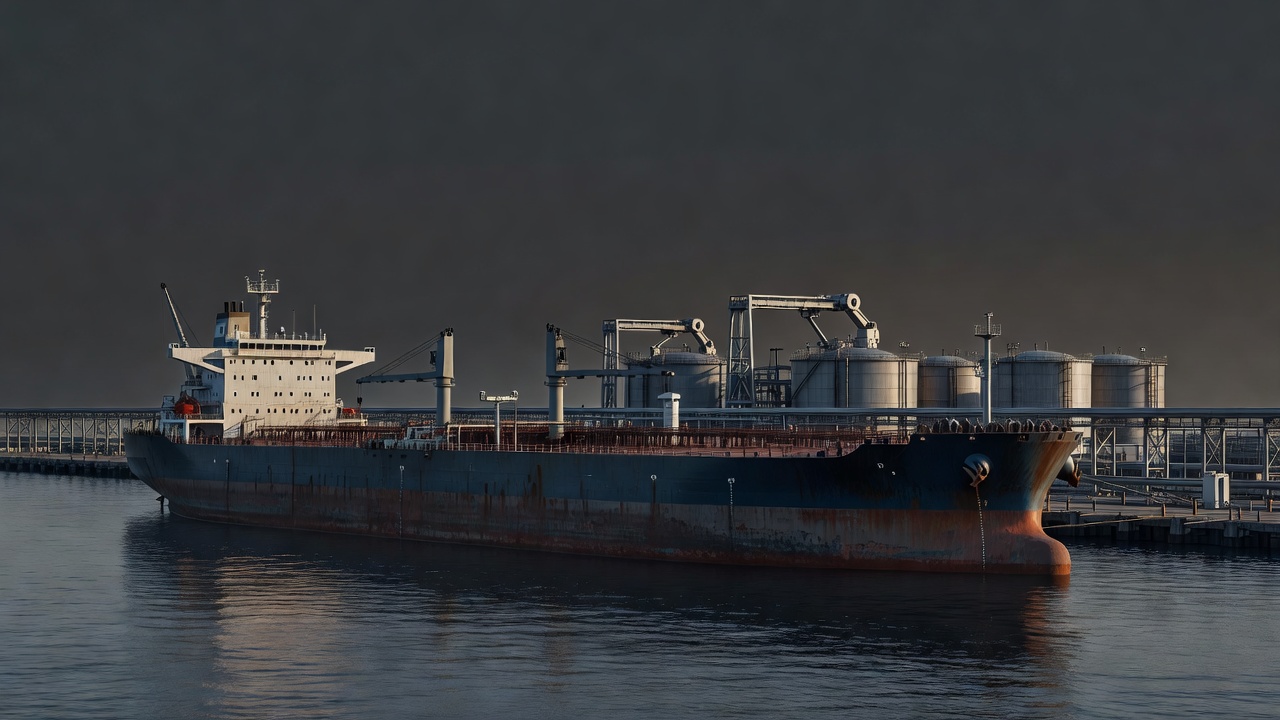
Sanctions Waiver Reversal: What the End of Iranian Oil Sales Authorization Means for Chemical Trade
The termination of Treasury's authorization for Iranian oil sales, effective July 17, represents an important development for companies involved in global chemical and energy supply chains. The new order not only ends the existing authorization but also rescinds approval for new transactions, increasing the importance of sanctions compliance across procurement, logistics and financial operations.
For chemical companies, changes to sanctions frameworks require immediate attention. Even organizations that do not purchase Iranian products directly may encounter indirect exposure through shipping providers, financial institutions or trading partners operating within international supply chains.
Why Sanctions Changes Matter to Chemical Trade
International chemical markets rely on complex networks of producers, traders, shipping companies and financial intermediaries.
Changes to sanctions regulations may affect:
Feedstock availability.
Shipping arrangements.
Banking relationships.
International payments.
Supplier qualification.
Even small regulatory changes can require companies to reassess existing commercial relationships.
Procurement Teams Should Review Supplier Exposure
Following significant sanctions updates, procurement professionals should evaluate their supplier network for potential compliance risks.
Priority actions include:
Reviewing supplier ownership structures.
Screening trading partners.
Verifying logistics providers.
Confirming financial institution compliance.
Assessing indirect supply chain exposure.
Regular due diligence helps reduce the risk of unintended transactions involving restricted entities.
Financial Compliance Is Equally Important
Sanctions compliance extends beyond purchasing decisions.
Organizations should also review:
Payment channels.
Trade finance arrangements.
Currency settlement processes.
Banking partners.
Documentary compliance procedures.
Financial institutions often update internal screening systems quickly after regulatory changes, making proactive communication valuable for avoiding transaction delays.
Logistics Networks Require Continuous Monitoring
International chemical shipments frequently involve multiple service providers before reaching the final customer.
Procurement and logistics teams should monitor:
Freight forwarders.
Shipping lines.
Port operators.
Customs brokers.
Warehousing providers.
Maintaining visibility across the logistics chain helps companies identify potential compliance risks before shipments are affected.
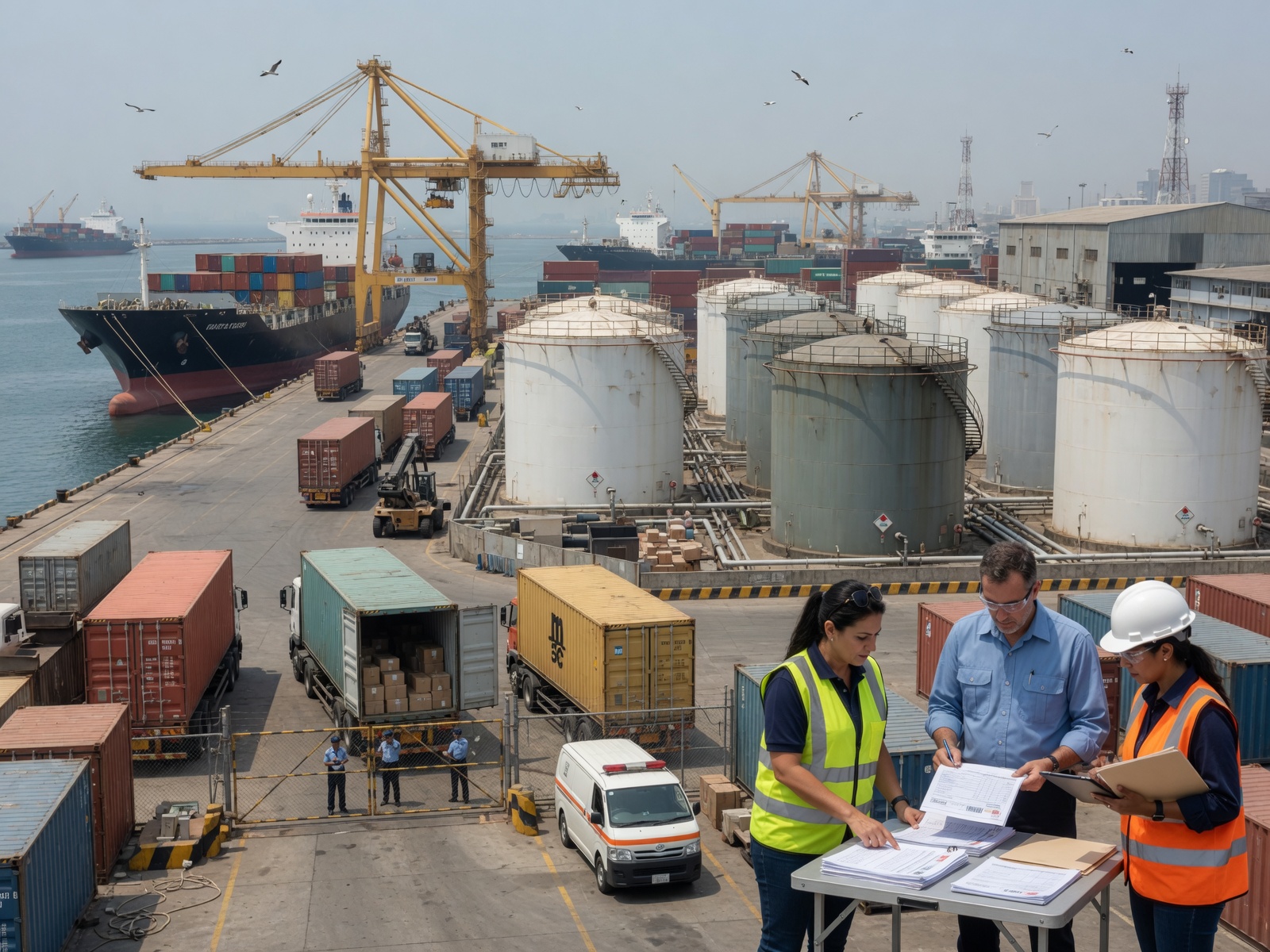
Compliance Programmes Should Be Updated Promptly
Every significant sanctions revision provides an opportunity to strengthen internal compliance procedures.
Organizations should:
Update restricted party screening databases.
Review internal compliance policies.
Document supplier screening activities.
Train procurement personnel.
Maintain audit records.
Well-documented compliance processes support regulatory readiness while reducing operational risk.
Regulatory Monitoring Supports Better Procurement Decisions
Sanctions policies can evolve rapidly in response to geopolitical developments.
Procurement teams benefit from:
Monitoring government announcements.
Maintaining communication with legal advisors.
Reviewing supplier compliance certifications.
Evaluating regional sourcing risks.
Preparing contingency sourcing plans.
These measures improve business continuity while supporting responsible international trade.
What Procurement and Compliance Teams Should Do Now
The end of Treasury's authorization for Iranian oil sales reinforces the importance of continuous sanctions monitoring across global chemical supply chains. Procurement, logistics and compliance teams should review supplier relationships, update screening procedures and verify that financial and shipping partners remain fully compliant with current regulations.
Organizations that maintain strong compliance programmes and diversified sourcing strategies will be better positioned to navigate evolving sanctions environments while protecting operational continuity.
Ready to source chemical products from verified global suppliers? Explore competitive offers on our platform today.

Methanol
Found this useful?