Saudi Arabia Chemical Watch: H1 2026 Closing Review of SABIC's Ras Tanura Restart
The reopening of SABIC's Ras Tanura export terminal marks the defining event for Saudi Arabia's chemical industry as H1 2026 comes to a close. After months of supply disruption caused by the Hormuz crisis, the restart provides the strongest evidence yet that Gulf petrochemical exports are transitioning from recovery plans to measurable commercial activity.
For international procurement teams, this development carries significance beyond a single terminal. It confirms that one of the world's largest integrated chemical producers is progressively restoring export operations across multiple product lines, creating the first meaningful opportunity for buyers to re-establish long-term sourcing relationships ahead of H2 2026.
Ras Tanura Signals a Shift from Recovery Plans to Physical Exports
Throughout much of H1 2026, discussions surrounding Gulf supply focused on government announcements, diplomatic developments and operational forecasts.
The restart of Ras Tanura changes that narrative.
Instead of relying on expectations, buyers now have evidence that export infrastructure is returning to service and that scheduled cargo movements are gradually resuming. This transition from policy announcements to physical exports represents an important milestone for global chemical markets.
For procurement professionals, functioning export terminals provide greater confidence than optimistic market forecasts because they demonstrate operational capability rather than future intentions.
Why Ras Tanura Matters to Global Chemical Trade
Ras Tanura serves as one of Saudi Arabia's most strategically important export hubs, connecting the Kingdom's vast petrochemical production network with customers across Asia, Europe and other international markets.
The terminal supports exports from several major industrial complexes while linking production facilities with global shipping routes.
Its reopening therefore affects a wide range of downstream industries that rely on consistent supplies of petrochemical feedstocks.
The impact extends well beyond Saudi Arabia itself, influencing regional supply availability, freight demand and pricing across numerous chemical value chains.
SABIC's Diverse Product Portfolio Supports the Recovery
Unlike producers focused on a limited range of commodities, SABIC supplies an extensive portfolio that serves multiple industrial sectors.
As export operations resume, buyers can expect gradual restoration across both commodity and specialty product lines.
Key commodity products include:
Methanol supporting formaldehyde, fuels and downstream chemical production.
Polyethylene for packaging, consumer goods and industrial manufacturing.
Polypropylene used across automotive, healthcare and consumer applications.
Monoethylene glycol supporting polyester fibre and PET production.
Fertiliser products from Yanbu serving agricultural markets worldwide.
Alongside these products, SABIC also manufactures engineering plastics and advanced performance materials from its Jubail facilities, supplying industries that demand consistent technical quality and long-term supplier relationships.
The breadth of this portfolio allows the company to serve a diverse international customer base while supporting recovery across several chemical sectors simultaneously.
Q3 Deliveries Will Prioritise Existing Customers
One of the most important messages for buyers is that the restart does not immediately translate into unrestricted product availability.
Instead, SABIC is expected to restore deliveries through a structured commercial sequence that prioritises contractual obligations before expanding availability to the wider spot market.
This approach reflects standard industry practice following operational disruptions.
Companies with existing supply agreements are generally positioned to receive allocation before new spot enquiries receive significant attention.
For procurement teams, understanding this sequencing is essential when planning purchasing strategies during the early stages of H2.
Rather than assuming immediate access to additional volumes, buyers should verify delivery schedules directly with commercial representatives and confirm expected allocation windows.
Commodity Markets Should Recover Faster Than Spot Availability
Although production and export infrastructure are returning to operation, market liquidity is likely to recover more gradually.
Several factors explain this difference.
Existing contracts must be fulfilled before additional export capacity becomes available.
Shipping schedules require time to normalise after months of disruption.
Inventory rebuilding across customer markets will initially absorb a significant share of available production.
Logistics providers continue adjusting vessel schedules as Gulf trade flows recover.
These factors suggest that contract performance will improve before spot market activity returns to historical levels.
SABIC's Q2 Earnings Will Be Closely Watched
While the terminal restart represents the most visible operational milestone, investors and procurement teams will soon receive another important indicator of Saudi Arabia's chemical recovery.
SABIC's Q2 2026 earnings, expected in July, will provide the first comprehensive assessment of how the regional disruption affected production, exports, operating margins and overall financial performance.
The results are expected to offer valuable insight into several areas:
The financial impact of temporary production and export interruptions.
Recovery trends across commodity and specialty chemical businesses.
Export volume improvements following the reopening of Ras Tanura.
Management's outlook for production, customer demand and capacity utilisation during H2 2026.
Beyond financial performance, the earnings announcement will help buyers understand how quickly SABIC expects operations to normalise across its global supply network.

What International Buyers Should Do This Week
The reopening of export infrastructure creates opportunities, but buyers should avoid assuming that every product will immediately return to pre-crisis availability.
The most effective procurement strategy during the early recovery phase is proactive supplier engagement.
Priority actions include:
Confirm Q3 delivery schedules directly with SABIC's commercial teams.
Verify product-specific allocation timelines rather than relying on general market expectations.
Review existing supply agreements to understand contractual delivery priorities.
Coordinate logistics planning with freight providers as Gulf shipping schedules continue stabilising.
Maintain contingency sourcing options until export volumes consistently return to normal levels.
Early communication will help procurement teams secure production slots before additional demand enters the market.
Commodity and Specialty Markets Will Recover at Different Speeds
Not every product category will follow the same recovery timeline.
Commodity chemicals generally benefit from higher production volumes and broader manufacturing capacity, allowing export activity to recover relatively quickly once logistics normalise.
Specialty materials often require more carefully managed production schedules because they serve industries with demanding technical specifications and long-term qualification processes.
Procurement teams should therefore expect different market dynamics.
Commodity products likely to see faster improvement include:
Methanol.
Polyethylene.
Polypropylene.
Monoethylene glycol.
Fertiliser products exported from Yanbu.
Specialty products, including engineering plastics produced in Jubail, may experience a more measured recovery as existing contractual commitments receive priority and production schedules are progressively restored.
Recognising these differences allows buyers to develop more realistic procurement plans for the months ahead.
Saudi Arabia Reclaims Its Position in Global Chemical Trade
The restart of Ras Tanura represents more than an operational milestone for SABIC.
It signals that Saudi Arabia is steadily reclaiming its role as one of the world's most reliable suppliers of commodity and specialty petrochemicals following one of the most disruptive periods in recent years.
As export volumes increase, Gulf producers are expected to reintroduce stronger competition across international markets where alternative suppliers temporarily expanded their market share during the crisis.
For global buyers, this increased competition should improve supplier choice, strengthen pricing transparency and support more resilient procurement strategies throughout H2 2026.
Looking Ahead to H2 2026
Saudi Arabia closes the first half of 2026 with tangible evidence that chemical export recovery is firmly underway.
The reopening of SABIC's Ras Tanura terminal confirms that the Gulf's recovery has progressed beyond political commitments and operational planning into measurable commercial activity. While export volumes will continue rebuilding over the coming months, the direction of travel is increasingly clear.
International buyers should now shift their focus from emergency sourcing strategies toward structured supplier engagement. Confirming Q3 delivery sequencing, maintaining close communication with SABIC's commercial teams and monitoring upcoming Q2 earnings will provide the clearest picture of how quickly production and exports continue to recover.
For procurement professionals, the priority is no longer determining whether Gulf supply will return, but understanding how quickly individual product lines become available and where contractual allocation takes precedence over spot market opportunities.
Ready to source methanol from verified global suppliers? Explore competitive offers on our platform today.
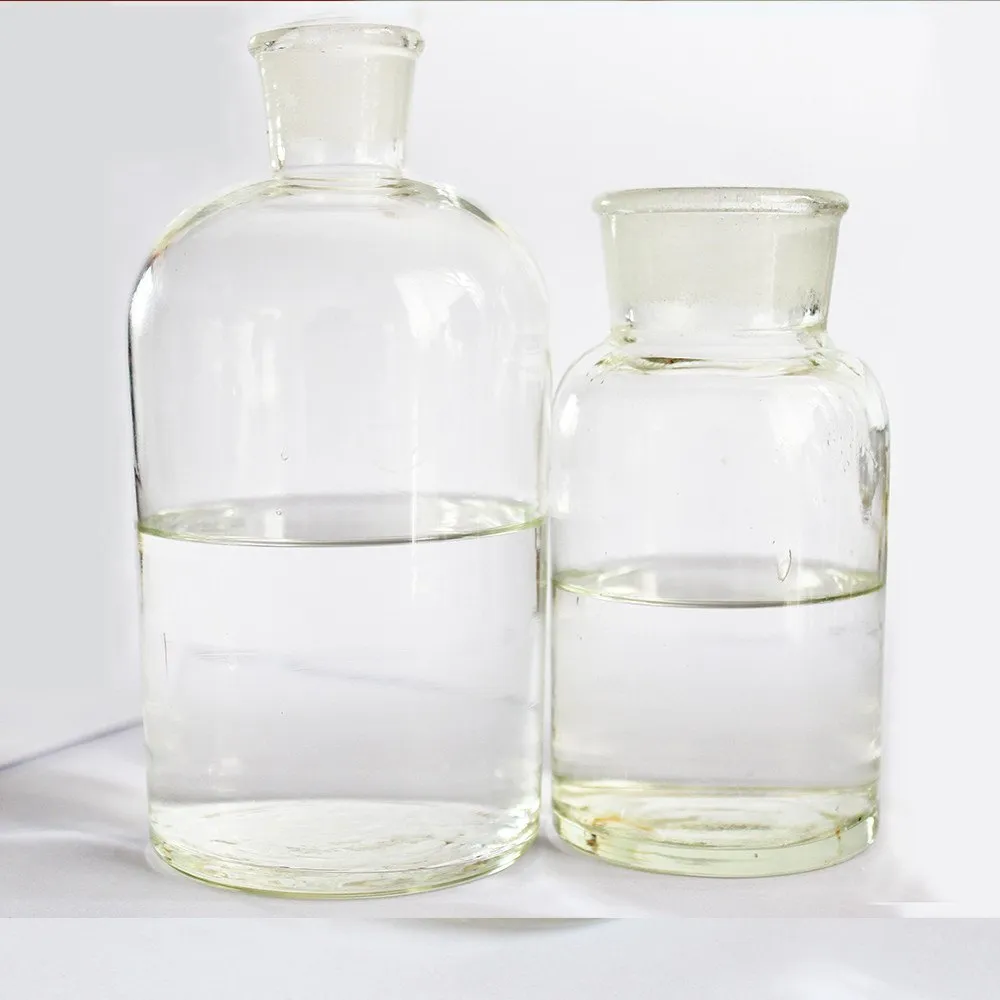
Methanol
Found this useful?