Saudi Arabia: SABIC's New Jubail Ammonia-Urea Complex Gets Its Technology License
Saudi Arabia: SABIC's New Jubail Ammonia-Urea Complex Gets Its Technology License
Saudi Arabia’s SABIC Agri-Nutrients (SABIC AN) has selected KBR’s Purifier® ammonia technology for its new large-scale ammonia plant in Jubail, advancing the technology and engineering phase of a major ammonia-urea complex.
Under the agreement announced by KBR on September 29, 2026, KBR will provide technology licensing, basic engineering design, proprietary equipment and catalyst supply for a 3,500-metric-ton-per-day single-train ammonia plant. The facility is planned to produce approximately 1.2 million metric tons of ammonia per year.
KBR Selected for the Ammonia Technology
The technology package covers licensing, basic engineering design, proprietary equipment and catalyst supply. KBR will work alongside Samsung E&A, which has been awarded the engineering, procurement and construction (EPC) contract for the overall project.
KBR says its Purifier configuration is designed to deliver a lower carbon intensity per tonne of ammonia compared with conventional ammonia process designs.
1.2 Million Tonnes of Ammonia per Year
The new ammonia plant will have a capacity of 3,500 metric tons per day, equivalent to approximately 1.2 million metric tons annually.
The ammonia plant forms part of a larger integrated complex that also includes two urea production units. According to SABIC AN, the two urea plants will have a combined production capacity of 2.6 million metric tons per year.
The project is expected to increase SABIC AN's total urea production capacity from approximately 4.8 million to 7.4 million metric tons per year, representing an increase of about 54%.
New Jubail Complex Includes Carbon Capture
The planned facility is not limited to ammonia and urea production. SABIC AN's project also includes a post-combustion carbon capture unit.
SABIC says the carbon capture technology will support efforts to reduce emissions intensity and the carbon footprint of its products. The carbon capture system will use technology from Shell Global Solutions International B.V.
The combination of large-scale ammonia and urea production with carbon capture is intended to improve the environmental performance of the new fertilizer complex.
Urea Production Capacity to Increase
The expansion is primarily aimed at increasing SABIC Agri-Nutrients' fertilizer production capacity.
The project will add 2.6 million metric tons per year of urea capacity through two production units, each designed for approximately 3,850 metric tons per day. Technology for the urea units is being provided through Stamicarbon's NX STAMI™ technology and thyssenkrupp Uhde Fertilizer Technology.
This technology structure gives the complex separate technology packages for ammonia, urea and carbon capture.
$3.465 Billion EPC Contract
SABIC AN's Board approved the Final Investment Decision (FID) for the project on September 9, 2026.
The company awarded the overall EPC contract to Samsung E&A at a total value of approximately $3.465 billion. Construction is expected to begin in the fourth quarter of 2026, with commissioning planned during the third quarter of 2030 and commercial production targeted for the fourth quarter of 2030.
The technology-license agreement with KBR therefore represents an important part of the engineering and technology framework for the ammonia production section.
Supporting Saudi Arabia's Fertilizer Industry
The Jubail complex is part of SABIC Agri-Nutrients' longer-term strategy to expand fertilizer production and export capabilities.
SABIC AN says the project is one of the key pillars of its 2040 strategy and is intended to strengthen Saudi Arabia's position in the agricultural nutrients export market. The company also links the development with the objectives of Saudi Vision 2030 and global food-security needs.
The additional ammonia and urea capacity will provide SABIC AN with a larger production base for serving fertilizer markets.
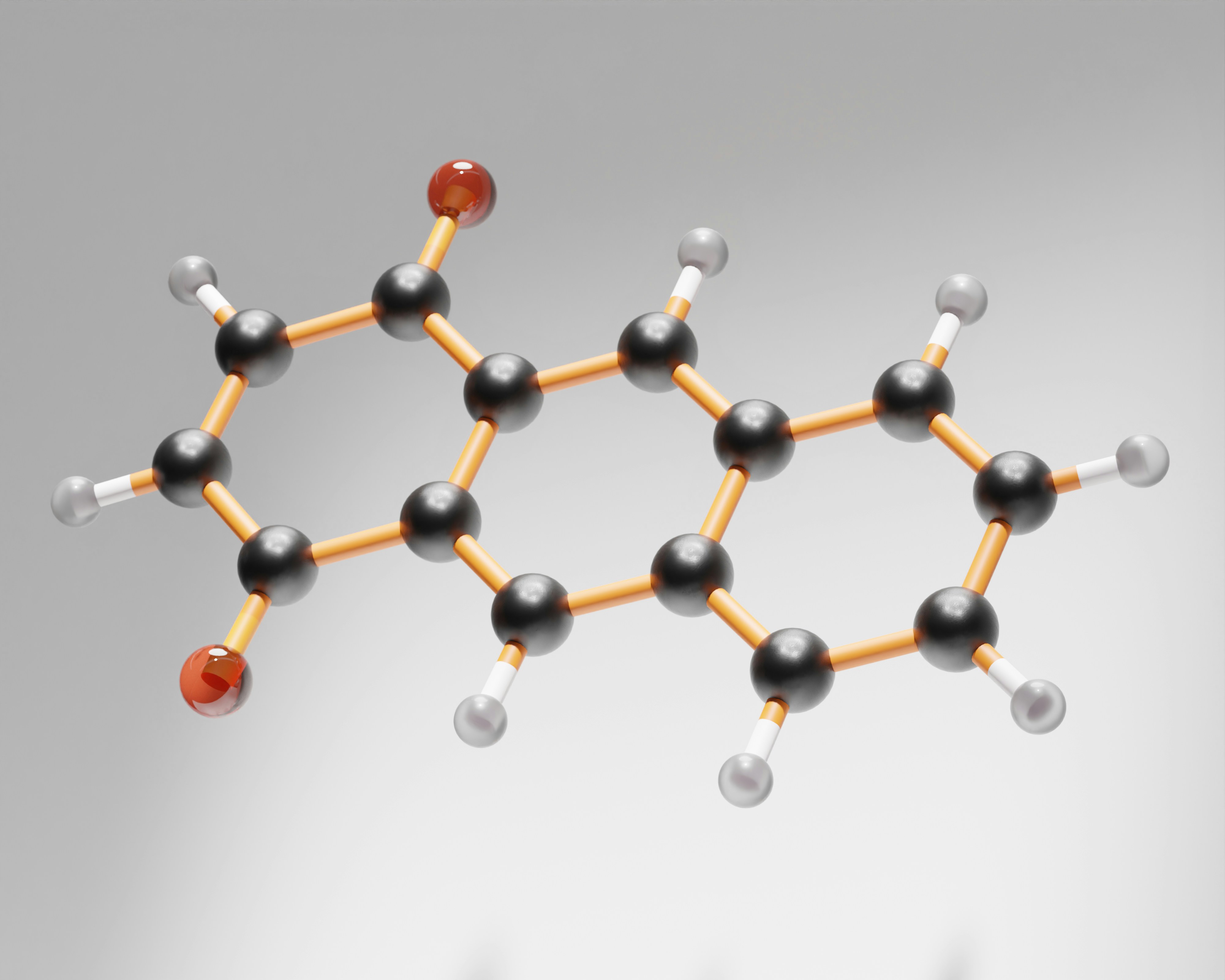
KBR's Large-Scale Ammonia Technology
KBR describes Purifier® as an ammonia technology designed around the purification of synthesis gas before ammonia synthesis.
The company says its technology can support large single-train ammonia facilities while reducing equipment requirements and improving energy efficiency. KBR also says its ammonia technology has been deployed in more than 260 grassroots facilities since 1943.
For the Jubail project, the 3,500-MTPD single-train configuration places the new facility among the large-scale ammonia plants being developed in the region.
A Major Expansion for SABIC Agri-Nutrients
Once completed, the Jubail complex will significantly expand SABIC AN's fertilizer production capacity.
The project combines:
A 1.2 million-tonne-per-year ammonia plant
Two urea plants with 2.6 million tonnes per year of combined capacity
A post-combustion carbon capture unit
KBR Purifier® ammonia technology
NX STAMI™ urea technology
Samsung E&A as EPC contractor
The integrated approach brings ammonia production, downstream urea manufacturing and carbon-capture technology into one large industrial complex.
Key Project Facts
Category | Details |
|---|---|
Company | SABIC Agri-Nutrients (SABIC AN) |
Location | Jubail, Saudi Arabia |
Project | New ammonia-urea industrial complex |
Ammonia technology | KBR Purifier® |
Ammonia capacity | 3,500 MTPD / ~1.2 million tonnes per year |
Urea capacity | 2.6 million tonnes per year |
Existing SABIC AN urea capacity | 4.8 million tonnes per year |
Future urea capacity | 7.4 million tonnes per year |
EPC contractor | Samsung E&A |
EPC value | Approximately $3.465 billion |
Carbon capture | Post-combustion carbon capture |
Construction start | Q4 2026 |
Commissioning | Q3 2030 |
Commercial production | Q4 2030 |
Technology Licensing Moves the Jubail Project Forward
The selection of KBR's Purifier® technology marks another step in the development of SABIC AN's new Jubail ammonia-urea complex.
With the FID approved, the EPC contract awarded and technology packages now being established, the project is moving toward construction. When completed, the facility is planned to add substantial ammonia and urea production capacity while incorporating carbon capture into the process.
The development will therefore combine large-scale fertilizer production with ammonia-process technology and carbon-capture infrastructure, supporting SABIC AN's longer-term expansion plans in Saudi Arabia.
Source
SABIC – Final Investment Decision and EPC Award for Ammonia and Urea Complex
KBR – Ammonia Technology Selected for One of the Largest Fertilizer Complexes in Saudi Arabia
Liquid Ammonia
Found this useful?