Section 301 Tariffs on Chinese Origin Chemicals Remain in Force After the Supreme Court Ruling
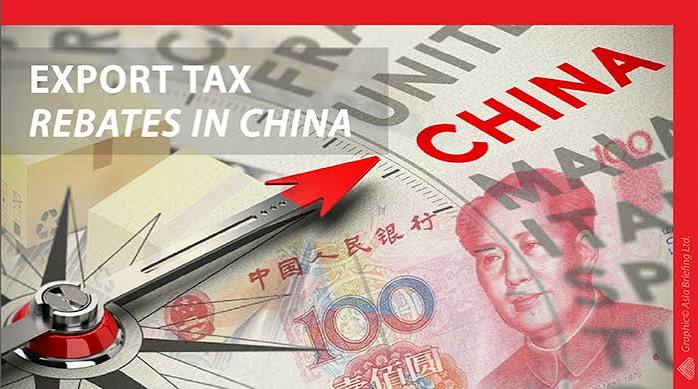
A 25% Section 301 tariff on Chinese origin chemicals remained in force after the U.S. Supreme Court's February 2026 ruling on presidential tariff authority. The decision invalidated the administration's broad IEEPA-based tariff framework, but it did not erase the separate Section 301 duties applied to Chinese products.
That distinction matters for chemical importers. During the February through July 2026 period, a separate 10% Section 122 tariff applied broadly across chemical-exporting countries, creating a temporary additional layer alongside the China-specific Section 301 structure.
For chemical traders and procurement managers, the practical lesson is simple: the Supreme Court ruling changed one tariff framework, not every U.S. duty applied to imported chemicals.
What the Supreme Court Ruling Actually Changed
The Supreme Court ruled in February 2026 that the International Emergency Economic Powers Act did not authorize the president to impose the broad tariffs challenged in the case. The ruling therefore disrupted the IEEPA tariff framework rather than eliminating tariffs imposed under other trade authorities.
That distinction is critical for chemical procurement. A buyer importing a Chinese chemical could not assume that the removal of one tariff program automatically eliminated other duties attached to the same shipment.
Section 301 operates under a separate statutory framework. Existing China-specific duties therefore remained an important part of the landed-cost calculation after the Supreme Court decision.
Why the 25% Section 301 Duty Still Matters
The Section 301 tariff applies specifically to covered products of Chinese origin. Unlike a global tariff, it does not treat every exporting country in the same way.
For chemical buyers, country of origin can therefore have a direct impact on purchasing economics. Two chemically equivalent products supplied from different production countries may carry different U.S. duty exposure depending on their applicable tariff treatment.
The 25% Section 301 rate creates a significant cost consideration for importers sourcing affected Chinese chemicals. Procurement teams need to include that duty when comparing Chinese suppliers with producers in other regions.
This can be especially important for products where freight costs, commodity prices and margins already operate within relatively narrow ranges.
The Temporary Section 122 Tariff Added Another Layer
The tariff picture became more complicated after the Supreme Court ruling because the administration introduced a separate 10% Section 122 tariff with broad application. The measure took effect in February 2026 and was designed as a temporary global tariff.
For the period described in the supplied market context, that 10% tariff applied from February through July 2026 across chemical-exporting countries. This created a straightforward but important stacking issue for affected Chinese chemical imports.
A Chinese-origin chemical subject to the 25% Section 301 duty could also face the additional 10% Section 122 duty during the applicable period. A comparable chemical from another exporting country could face the global 10% layer without the China-specific Section 301 component.
The commercial implication is that procurement teams should separate country-specific duties from global or broadly applicable duties when calculating landed cost.
How Tariff Stacking Affected Chemical Procurement
Tariff stacking can make a product appear competitively priced at the supplier level while becoming considerably more expensive after import costs are added.
For example, procurement teams comparing a Chinese chemical with a non-Chinese alternative need to consider more than the supplier's quoted price. They should examine the applicable tariff treatment, freight, insurance, brokerage and other import-related costs before making the purchasing decision.
The main considerations include:
Country of origin: The production origin can determine whether China-specific Section 301 duties apply.
HTS classification: The precise tariff classification determines which trade measures attach to the product.
Section 301 coverage: Not every chemical receives identical treatment, so buyers need product-level tariff analysis.
Additional tariffs: Broad measures can create another duty layer during their period of application.
Landed cost: Procurement decisions should use the final import cost rather than the supplier quotation alone.
This approach is particularly important for chemical products with high annual import volumes.
Chinese Chemical Suppliers Face a Competitive Challenge
The continued Section 301 tariff can affect the competitive position of Chinese chemical producers in the U.S. market. A supplier may maintain a strong factory-level price while losing part of that advantage once U.S. import duties are included.
This does not automatically eliminate Chinese suppliers from procurement strategies. China remains a major source of numerous industrial and specialty chemicals, and buyers may continue to value its production scale, product availability and established export infrastructure.
Instead, the tariff can change the point at which Chinese supply becomes commercially attractive. Buyers may need to calculate the full landed cost before deciding whether a Chinese source remains preferable.
Origin Strategy Is Becoming More Important
Tariff exposure can encourage chemical buyers to broaden their supplier networks. When one country carries a substantial additional duty, procurement teams may examine suppliers in other production regions even when the alternative product has a higher factory price.
This makes multi-origin sourcing increasingly relevant for international chemical procurement.
A diversified sourcing strategy can include:
Maintaining qualified suppliers in multiple countries.
Comparing landed costs rather than headline prices.
Monitoring changes to country-specific tariff schedules.
Establishing alternative sources before a tariff-driven cost increase becomes urgent.
Reviewing whether product specifications allow sourcing from different manufacturing regions.
Alternative sourcing can also improve resilience when tariffs change quickly.
Tariff Classification Becomes a Procurement Priority
Chemical buyers should pay close attention to tariff classification because tariff exposure depends on how imported products are classified under the U.S. Harmonized Tariff Schedule.
Chemical names alone do not always provide enough information to determine the applicable tariff treatment. Product composition, intended use and classification details can all influence the customs analysis.
Procurement teams should therefore work with customs specialists where necessary and maintain accurate product records. A classification error can create unexpected duty exposure, clearance problems or later customs disputes.
For traders handling multiple chemical products, classification management can become an important part of commercial operations.
The Impact on Chemical Traders and Distributors
Chemical distributors can also feel the effects of Section 301 duties even when they do not manufacture the products themselves. Import duties can change customer pricing, inventory decisions and the relative attractiveness of different origins.
A distributor importing Chinese chemicals into the United States may need to decide whether to absorb part of the tariff, pass the cost to customers or renegotiate supplier pricing.
These decisions become more complex when competing distributors source from different countries. A distributor with a lower tariff exposure can potentially gain a pricing advantage even when its underlying product cost is higher.
This makes trade policy increasingly relevant to commercial strategy.
Procurement Teams Should Compare Total Landed Cost
The most effective response to tariff uncertainty is to make landed-cost analysis a routine part of chemical sourcing.
Instead of comparing only the quoted price per metric ton, buyers should calculate the full cost of bringing the material to its destination. This creates a clearer comparison between Chinese-origin supply and alternative sources.
A useful procurement review should include:
Supplier price: Start with the negotiated chemical price and payment terms.
Applicable duties: Add Section 301 and any other applicable tariff measures based on the product's classification and origin.
Logistics: Include freight, insurance, port charges and related transportation costs.
Customs expenses: Account for brokerage and other import processing costs.
Inventory requirements: Consider whether tariff uncertainty or longer supply chains require additional safety stock.
Alternative sourcing: Compare the resulting landed cost with qualified suppliers from other origins.
This calculation provides a more realistic basis for purchasing decisions.
What Chemical Importers Should Watch Next
Tariff policy remains an active part of U.S. chemical trade planning. The February 2026 Supreme Court ruling demonstrated that one legal pathway for tariffs can change while other trade authorities continue to shape import costs.
The transition also showed why procurement teams should avoid relying on a single headline tariff rate. Different legal authorities can apply simultaneously or sequentially, producing a trade environment that changes faster than annual sourcing plans.
Importers should therefore monitor:
Changes to Section 301 product coverage and rates.
New trade actions affecting specific chemical categories.
Country-specific tariff changes.
Customs classification developments.
Expiration or replacement of temporary tariff programs.
Supplier-origin changes that could affect customs treatment.
Regular monitoring can help buyers identify cost changes before they reach purchasing budgets.
A Plain Walk Through the 2026 Tariff Picture
The simplest way to understand the February through July 2026 environment is to separate the two layers.
First layer: Chinese-origin chemicals covered by Section 301 continued to carry the 25% China-specific tariff.
Second layer: The temporary Section 122 measure added a 10% tariff with broad country coverage during the specified period.
The two measures served different policy purposes and operated under different legal authorities. That is why the Supreme Court's ruling on the broader IEEPA tariff framework did not automatically remove the Section 301 duty on Chinese chemicals.
For buyers, the key lesson is to identify every applicable duty rather than assuming that one court ruling resets the entire U.S. tariff schedule.
What Buyers Should Do Now
Chemical procurement teams should treat tariff analysis as part of supplier evaluation, particularly when sourcing substantial volumes from China. The 25% Section 301 duty can materially change the economics of an otherwise competitive supplier quotation.
Buyers should maintain current HTS classifications, confirm country of origin and calculate landed cost under the applicable tariff structure. They should also maintain alternative suppliers where a China-specific duty creates a material disadvantage.
For chemical traders, the ability to explain tariff exposure clearly can become a commercial advantage. Customers increasingly need suppliers that can provide not only competitive chemical prices but also a realistic view of import costs and sourcing alternatives.
The February 2026 Supreme Court ruling therefore did not create a clean slate for chemical tariffs. Instead, it highlighted the importance of understanding which trade authority applies to each shipment and how different duties can interact.
Ready to source Chinese origin chemicals from verified global suppliers? Explore competitive offers on our platform today.
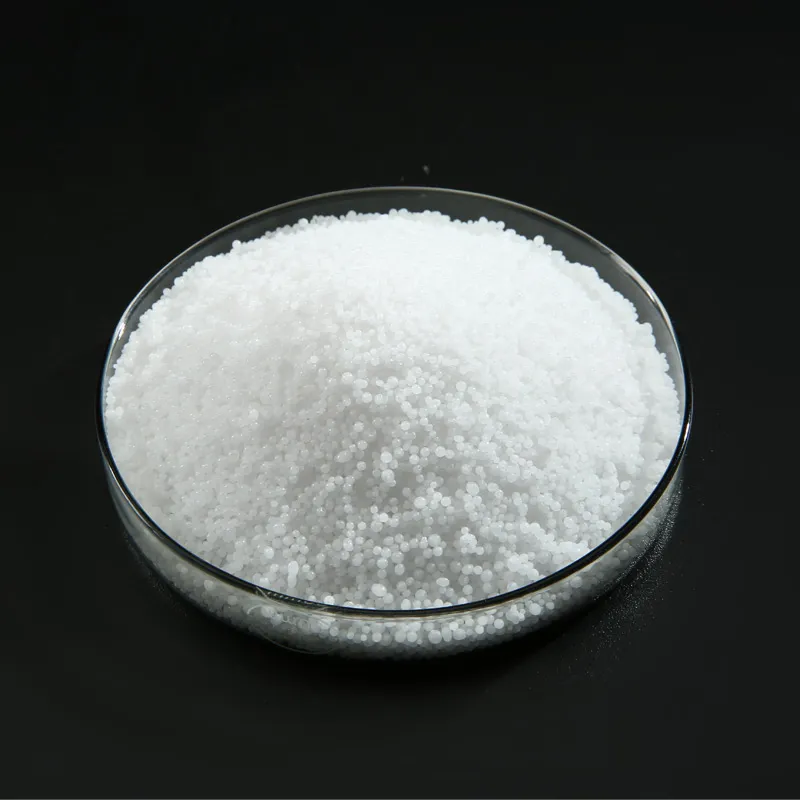
Caustic Soda Pearls - China
Found this useful?