
Seveso's 50th Anniversary Prompts Renewed Reflection on European Chemical Safety Law
The year 2026 marks the 50th anniversary of the Seveso disaster. This catastrophic industrial accident fundamentally transformed European chemical safety law and established the foundation for modern hazard management. Chemistry World recently highlighted how this historic event sparked pan-European environmental campaigns. Procurement managers and chemical traders must recognize the lasting impact of these regulations on global supply chains. The Seveso Directives continue to dictate strict compliance standards for storing and handling hazardous substances. Buyers sourcing chemicals from European facilities must verify rigorous vendor safety protocols. Ignoring these historical and current regulatory frameworks invites severe operational and financial risks. Modern procurement strategies require deep alignment with these enduring safety mandates to ensure uninterrupted business operations.
The Evolution of the Seveso Directives
The original Seveso disaster occurred in 1976 when a chemical plant released a toxic cloud containing dioxin. This event exposed critical gaps in industrial safety protocols across the continent. European lawmakers responded by creating the first Seveso Directive in 1982 to prevent major accidents involving dangerous substances.
Regulators have since updated these rules multiple times to address emerging industrial risks. The current framework operates under the Seveso III Directive. This iteration focuses heavily on public access to information and stringent land-use planning around hazardous facilities.
Chemical traders must understand that these directives apply to establishments holding specific quantities of dangerous substances. The regulations classify sites into lower-tier and upper-tier establishments based on strict inventory thresholds. Compliance obligations scale directly with the volume and hazard level of the stored chemicals.
Facilities must also maintain comprehensive Safety Data Sheets for every regulated substance on site. Procurement teams should review these documents to understand the specific hazards associated with their purchased materials. This transparency ensures buyers make informed decisions regarding transportation and storage requirements.
Key Compliance Requirements for Chemical Buyers
Procurement teams face strict obligations when sourcing materials from regulated facilities. Buyers must ensure their suppliers maintain active compliance with all local and European safety laws. Failure to verify these standards exposes the buying company to significant legal and financial liability.
Mandatory Safety Reports: Upper-tier establishments must submit detailed safety reports to national authorities. Buyers should request summaries of these reports to confirm the supplier maintains robust risk management protocols.
Emergency Response Planning: Facilities must establish and regularly test internal emergency plans. Procurement contracts should require vendors to demonstrate active participation in local external emergency response frameworks.
Inventory Threshold Monitoring: Suppliers must track chemical volumes continuously to avoid crossing regulatory thresholds unexpectedly. Buyers should ask for regular inventory audits to ensure the vendor remains within their permitted operational tier.
Public Information Dissemination: Regulators require facilities to provide safety information to the surrounding public. A transparent supplier will readily share their public safety documentation with prospective buyers.
Environmental Impact Assessments: Regulated sites must regularly evaluate their environmental footprint. Buyers should prioritize vendors who actively invest in pollution prevention technologies and sustainable waste management practices.
Supply Chain Risks in European Chemical Trading
Non-compliance with European chemical safety law creates immediate friction in global trade. Customs authorities and port officials actively screen shipments originating from regulated zones. Any discrepancy in safety documentation triggers immediate cargo holds and extensive physical inspections.
Regulatory fines for safety violations continue to increase across European member states. A supplier facing enforcement actions may experience sudden production halts. This operational freeze directly translates to delayed shipments and broken supply chain promises for international buyers.
Reputational damage presents another severe risk for procurement departments. Partnering with a facility that suffers a safety incident attracts negative media attention. Corporate sustainability goals and environmental social governance mandates demand strict vetting of all industrial partners.
Furthermore, insurance providers actively monitor the safety records of chemical manufacturers. A poor compliance history leads to skyrocketing premiums or complete denial of cargo coverage. Buyers must verify that their suppliers maintain adequate liability insurance to protect the entire supply chain.
Vendor Vetting and Safety Documentation
Effective vendor vetting requires more than a simple certificate of analysis. Procurement managers must demand comprehensive safety documentation during the supplier qualification process. This proactive approach prevents costly disruptions later in the supply chain.
Buyers should verify that the supplier holds a valid operating license from the relevant national authority. The Seveso III Directive mandates regular inspections by competent authorities. Requesting the most recent inspection report provides valuable insight into the operational discipline of the facility.
Furthermore, buyers must evaluate the financial stability of the supplier. Facilities investing heavily in safety upgrades and compliance measures demonstrate long-term viability. A vendor cutting corners on safety often faces imminent regulatory shutdowns and financial distress.
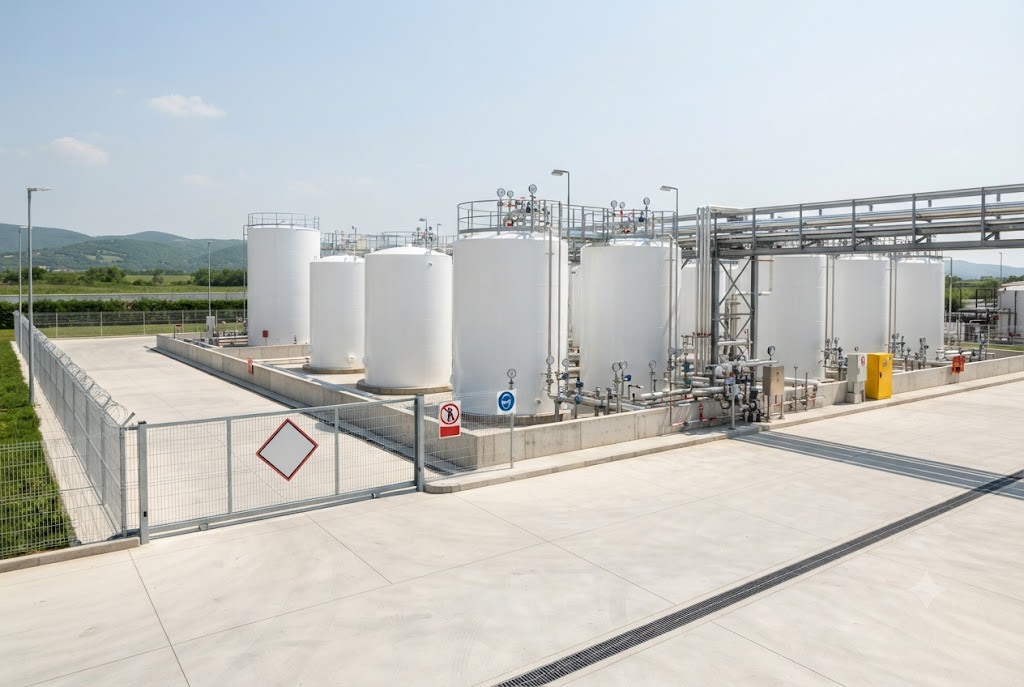
Procurement teams should also conduct on-site audits whenever possible. Observing the physical condition of the storage tanks and the diligence of the safety staff provides irrefutable proof of compliance. Remote video audits serve as a viable alternative when travel restrictions prevent physical visits.
Global Impact Beyond European Borders
European safety standards frequently influence regulatory frameworks in other major markets. Importers in Asia and the Americas often adopt similar safety protocols to maintain global trading relationships. This harmonization benefits buyers who source from multiple geographic regions.
Exporters outside Europe must also recognize these stringent requirements. Facilities aiming to sell into the European market must align their safety management systems with Seveso principles. This alignment includes implementing rigorous process safety management and hazard identification protocols.
Chemical traders acting as intermediaries bear the responsibility of verifying this alignment. Ensuring that all nodes in the supply chain meet high safety standards protects the entire transaction. Buyers should mandate that their logistics providers also adhere to strict hazardous material handling rules.
Digital tracking technologies now play a crucial role in verifying compliance. Blockchain and advanced supply chain software allow buyers to trace a chemical batch back to its origin facility. This transparency provides immediate proof of regulatory adherence and builds trust between trading partners.
What Procurement Teams Need to Do Now
The 50th anniversary of the Seveso disaster serves as a critical reminder of industrial safety priorities. Procurement leaders must treat regulatory compliance as a core component of their sourcing strategy. Passive reliance on historical supplier relationships no longer guarantees operational safety.
Companies must conduct immediate audits of their current chemical supply base. Identify any vendors operating near regulatory thresholds or lacking transparent safety documentation. Develop a phased transition plan to replace high-risk suppliers with verified and compliant partners.
Update all procurement contracts to include strict safety compliance clauses. These clauses must clearly define liability and outline immediate termination rights for safety violations. Training procurement staff on the fundamentals of the Seveso Directives will further strengthen organizational resilience.
Establish a dedicated compliance task force within the purchasing department. This team will monitor regulatory updates and ensure all sourcing activities align with the latest safety mandates. Proactive management of these requirements transforms regulatory compliance into a competitive business advantage.
Ready to source Caustic Soda Pearls from verified global suppliers? Explore competitive offers on our platform today.
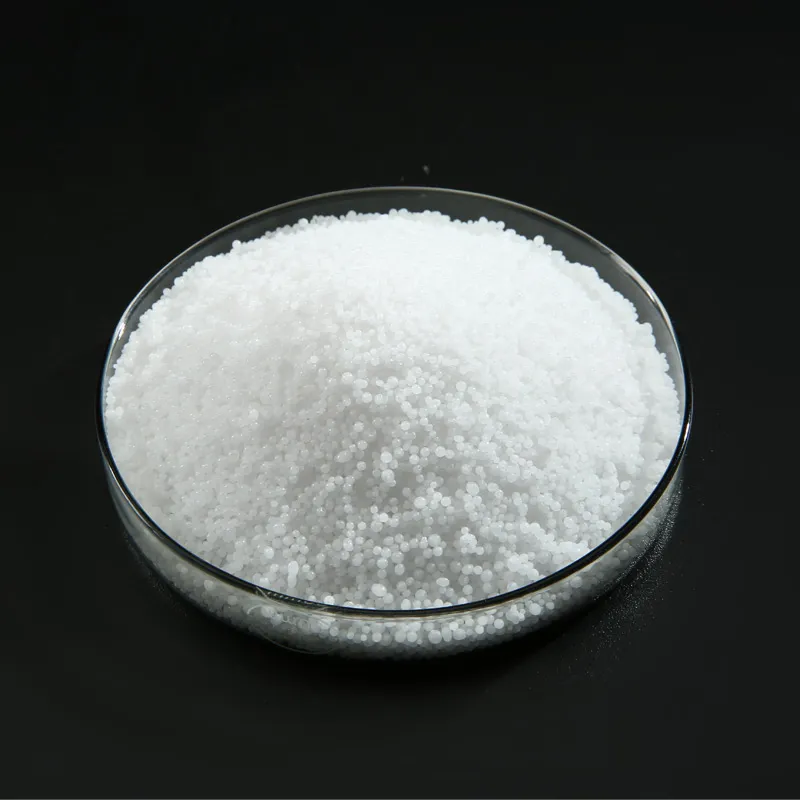
Caustic Soda Pearls - China
Found this useful?