While much of the global chemical industry continues navigating cyclical overcapacity and margin pressure, one demand driver is expanding rapidly—and it is coming from an unexpected direction.
Artificial intelligence.
The explosive growth of AI computing infrastructure is creating entirely new demand for highly specialised chemical products. Unlike traditional industrial growth cycles, this demand is concentrated in niche, technology-intensive applications rather than across commodity chemicals.
For procurement professionals and market analysts, the important takeaway is clear: AI is becoming a genuine chemical demand driver, but only for specific segments of the industry.
Data Centres Are Becoming Chemical Consumers
Modern AI data centres require far more than servers and processors.
Supporting large-scale computing infrastructure depends on an ecosystem of specialised materials and chemicals, including:
Thermal management fluids.
Electronic process chemicals.
Semiconductor manufacturing materials.
Ultrapure water treatment chemicals.
Precision cleaning formulations.
Advanced dielectric fluids.
As global investment in AI infrastructure accelerates, demand for these products continues expanding alongside semiconductor manufacturing.
Shell's Immersion Cooling Development
One example of this trend is Shell's development of hydrocarbon immersion cooling fluids.
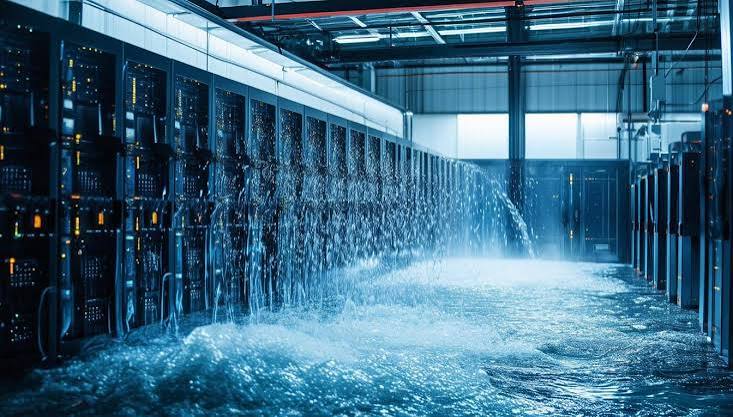
Immersion cooling represents an alternative to conventional air cooling by submerging computing hardware in specially engineered dielectric fluids that efficiently remove heat while protecting electronic components.
The approval of Shell's immersion fluid for use with Intel Xeon processors illustrates how chemical innovation is becoming directly connected to AI hardware performance.
Rather than supplying traditional fuels alone, chemical companies are increasingly participating in digital infrastructure through specialised thermal management technologies.
Water Is Becoming Strategic Infrastructure
Cooling is only one part of the AI ecosystem.
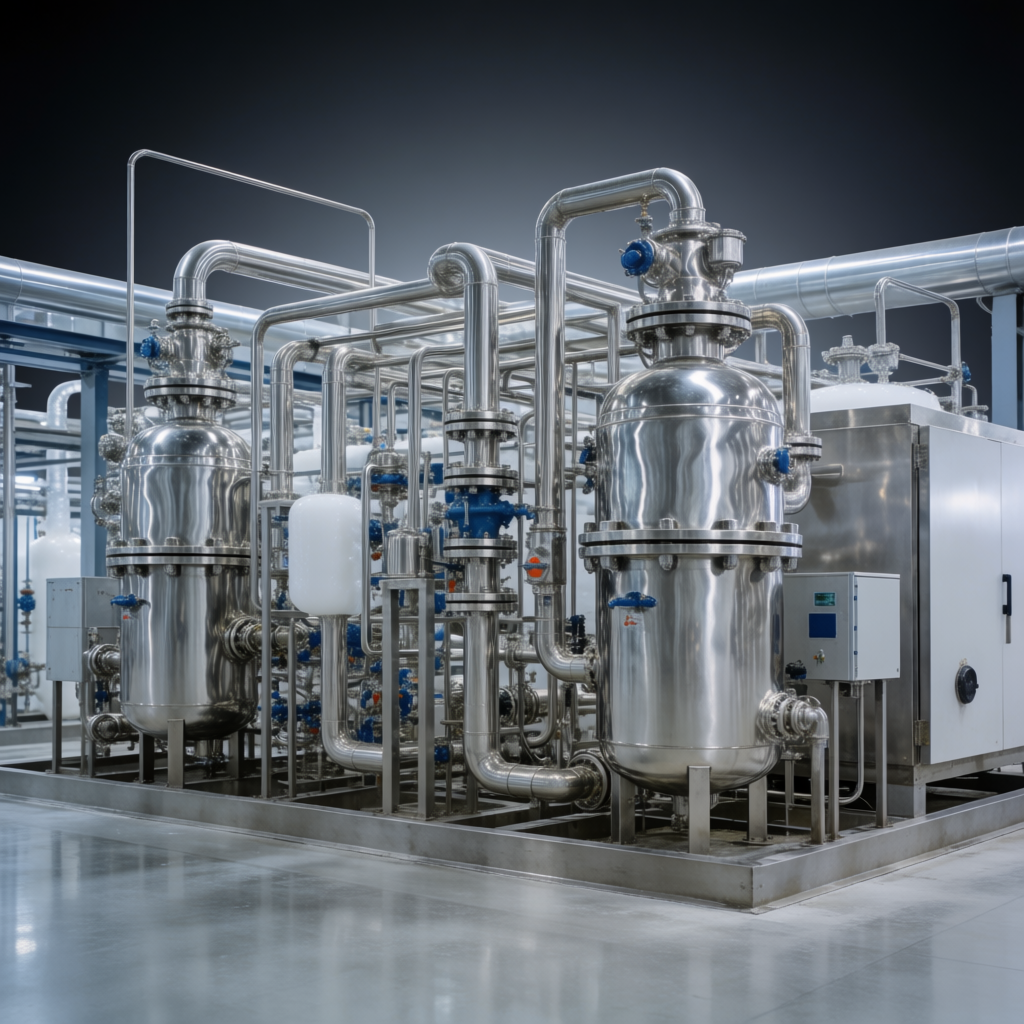
Large semiconductor fabrication facilities also require extraordinary volumes of ultrapure water throughout chip manufacturing.
This has created growing demand for:
Water purification chemicals.
Membrane technologies.
Process treatment chemistry.
Wastewater recycling systems.
Corrosion and scale control products.
These applications explain why water treatment technology has become an increasingly attractive investment area for specialty chemical companies.
Ecolab Highlights Another Growth Area
Another important commercial signal comes from Ecolab's investment in semiconductor water treatment.
Its acquisition strategy demonstrates that major industry participants increasingly view advanced water management as a structural growth opportunity tied directly to semiconductor expansion.
Rather than investing broadly across all chemical categories, companies are concentrating capital where they expect AI-driven demand to remain strongest over the coming decade.
For procurement professionals, these investment decisions provide valuable insight into where leading companies expect sustained market growth.
AI Demand Is Highly Concentrated
One of the most important conclusions is that AI is not creating uniform demand across the chemical industry.
Instead, growth is concentrated within specific specialty categories, including:
Electronic chemicals.
Thermal management fluids.
Ultrapure water treatment chemistry.
Semiconductor process materials.
High-performance specialty formulations.
Commodity petrochemicals, by contrast, remain primarily influenced by industrial production, construction activity and broader economic conditions.
Investment Decisions Reveal Where Companies See Future Growth
One of the clearest ways to identify emerging chemical markets is to observe where major companies are allocating capital.
Research and development programmes, acquisitions and product launches often provide stronger signals than short-term revenue movements because they reflect management's expectations for future demand.
Current investment activity suggests growing confidence in areas such as:
Advanced semiconductor manufacturing.
AI computing infrastructure.
Data centre cooling technologies.
High-purity process chemicals.
Water treatment and recycling technologies.
Digital manufacturing support chemicals.
For procurement professionals, these investments indicate where suppliers expect sustained commercial opportunities rather than temporary market trends.
Procurement Should Monitor AI-Exposed Chemical Segments
Organisations purchasing chemicals for electronics, semiconductor manufacturing or digital infrastructure should expect continued innovation across several product categories.
Areas likely to receive ongoing investment include:
Dielectric immersion cooling fluids.
Semiconductor-grade solvents and process chemicals.
Ultrapure water treatment products.
Precision cleaning formulations.
Thermal interface materials.
High-performance specialty additives.
Demand in these segments is driven primarily by long-term investment in computing infrastructure rather than traditional industrial production cycles.
AI Does Not Eliminate the Chemical Capital Cycle
Although AI represents an important structural growth driver, it should not be viewed as a universal solution for the industry's broader challenges.
Many chemical segments continue facing:
The AI opportunity is significant, but it remains concentrated within specific specialty markets rather than the entire chemical sector.
Procurement teams should therefore distinguish between AI-linked products experiencing structural demand growth and commodity chemicals whose market dynamics remain largely unchanged.
Following Capital Allocation Improves Market Intelligence
One practical lesson for procurement professionals is that capital allocation often provides early insight into future market direction.
Monitoring company announcements involving:
can provide valuable intelligence about emerging demand well before those trends become fully reflected in financial results.
Looking Ahead to H2 2026
The expansion of AI infrastructure is creating one of the most important new demand drivers within the global chemical industry, but its impact is highly targeted. Investments such as Shell's development of immersion cooling fluids and Ecolab's expansion into semiconductor water treatment demonstrate that chemical demand associated with AI is concentrated in advanced specialty applications rather than broadly across commodity markets. Electronic chemicals, thermal management technologies and ultrapure water systems are emerging as some of the clearest beneficiaries of continued investment in data centres and semiconductor manufacturing.
For procurement professionals, these developments reinforce the importance of monitoring where industry leaders are directing capital. Strategic investments, technology partnerships and product innovation often provide earlier indicators of future demand than short-term sales data. Companies allocating resources to AI-enabled infrastructure are signalling where they expect sustained growth over the coming decade.
The key lesson for H2 2026 is that AI should be viewed as a structural demand trend rather than a cyclical market event. Procurement teams supplying or sourcing chemicals for electronics, semiconductor manufacturing and digital infrastructure should expect continued innovation and investment in these specialised product categories, while recognising that many traditional commodity chemical markets remain governed by the broader capital cycle and industrial demand conditions.
Ready to source electronic chemicals, specialty process fluids and industrial chemicals from verified global suppliers? Explore competitive offers on our platform today.