The Rising Tide of Immersion Cooling
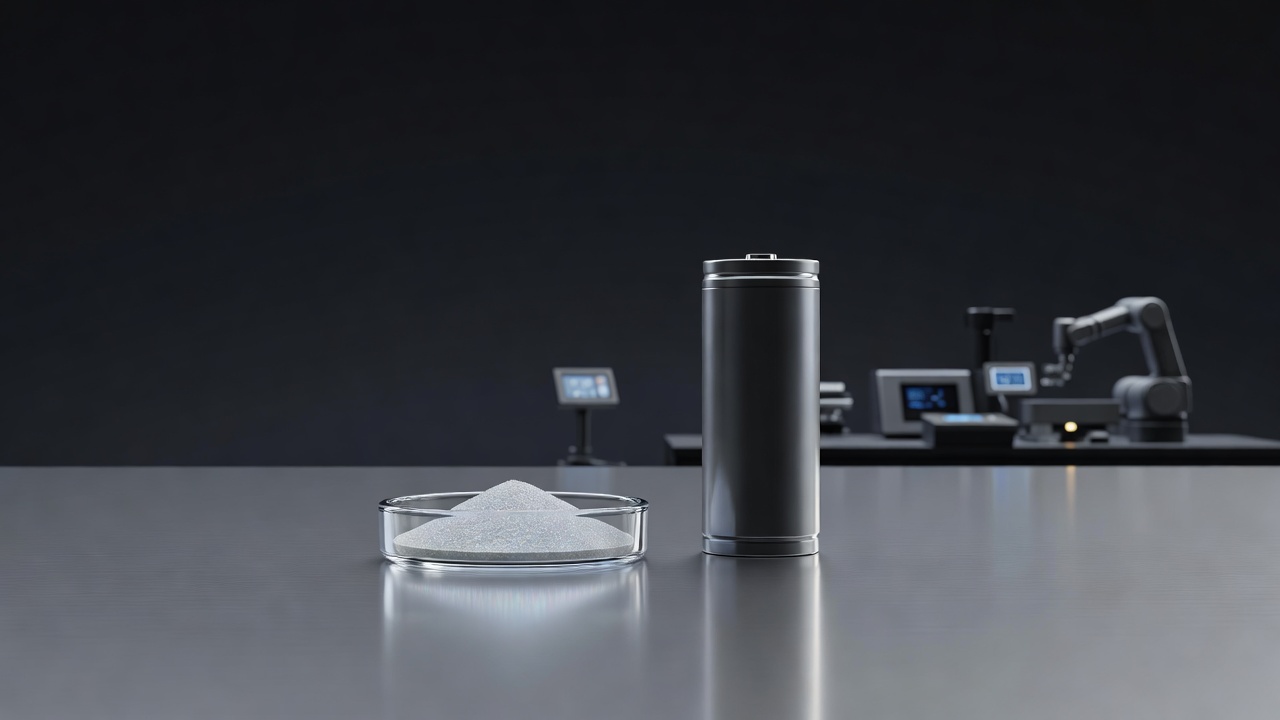
Data‑centre operators are turning to immersion cooling to lower energy costs and boost server density. Shell has positioned itself as a key supplier of thermal fluids engineered for this niche, positioning its white mineral oil as a reliable, non‑electrically conductive coolant.
Why Food‑Manufacturers Care
Food production relies on the same category of white mineral oil used in data‑centre cooling – a food‑grade lubricant that meets stringent purity standards. Because the raw material is the same, any shifts in refinery output or allocation can ripple through both sectors.
Supply Chain Visibility
Shell’s recent announcements highlight a growing allocation of high‑purity oil to non‑food customers. Procurement teams must now:
Track refinery capacity. Understand which plants produce the grade of oil that meets food safety standards.
Monitor allocation agreements. Shell’s contracts with data‑centre clients may prioritize supply over food‑grade markets.
Assess inventory buffers. Identify how much Kosten‑stock is held for future food‑grade demand.
Price Sensitivity Dynamics
When demand from the tech sector spikes, the price of white mineral oil can rise. Food manufacturers traditionally purchase in bulk, but market dynamics now require:
Early contract negotiation. Secure fixed pricing before demand surges.
Diversification of suppliers. Explore alternative feedstocks such as plant‑based lubricants to hedge against price volatility.
Compliance cost assessment. Evaluate whether higher prices affect product cost structures and consumer pricing.
Strategic Procurement Actions
To mitigate risks, procurement teams can adopt the following strategies:
Develop a cross‑industry supply map. Identify all major users of food‑grade oil and their contractual commitments.
Invest in analytics. Leverage market intelligence tools to forecast supply‑demand trends.
Collaborate with regulators. Engage with food safety authorities to ensure that any new oil sources meet certification standards.
Case Study: Shell’s Allocation Model
Shell’s recent partnership with a leading cloud provider involved a long‑term supply agreement for a specialised thermal fluid. The tärkeä result was a 15% shift in refinery output towards the data‑centre market, leaving a smaller margin for food‑grade production. Food manufacturers who had not adjusted their procurement strategies faced shortages and price hikes of up to 12% over a six‑month period.
The Road Ahead
As data‑centre immersion cooling continues to grow, the intersection with food‑grade mineral oil will become more pronounced. Procurement teams that proactively monitor refinery allocations, engage in early contracting, and diversify their supplier base will be better positioned to navigate the emerging supply‑chain landscape.
In summary, Shell’s expanding presence in data‑centre cooling is not just a technological shift – it is a supply‑chain catalyst that demands attention from food manufacturers. Byzzing ahead of the curve, procurement professionals can safeguard their operations against volatility in a market that now spans silicon and safety standards alike.