Sinopec-LG Chem Sodium-Ion Battery Partnership and Critical Material Sustainability
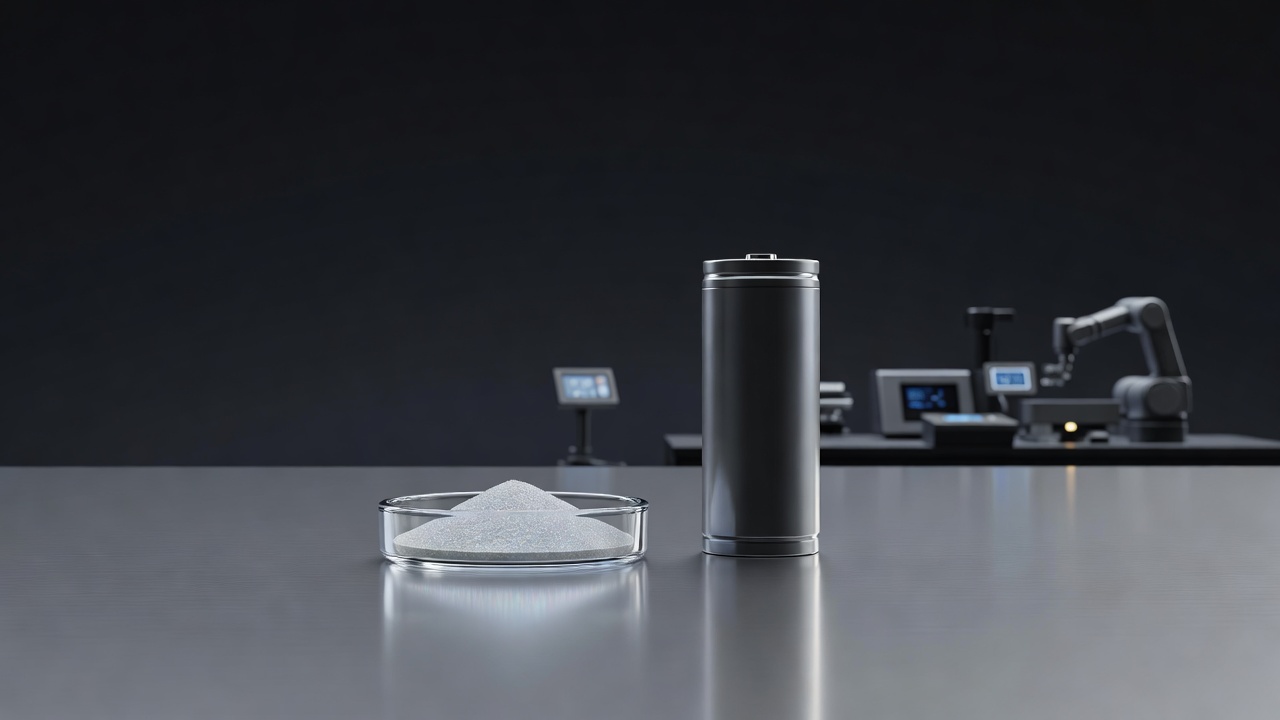
Battery technology is evolving rapidly as manufacturers seek solutions that improve performance while reducing dependence on constrained raw materials. Although lithium-ion batteries continue to dominate electric vehicles and stationary energy storage, sodium-ion technology is gaining commercial attention because it uses more abundant raw materials and may help diversify battery supply chains. The partnership between Sinopec and LG Chem to develop materials for sodium-ion batteries reflects this growing interest in alternative battery chemistries and their potential role in future energy storage markets.
For procurement and sustainability professionals, developments like this extend beyond technology innovation. They provide early indicators of how future battery supply chains may change and whether new material platforms could reduce exposure to some of the environmental, social and geopolitical challenges associated with traditional battery minerals.
Why Sodium-Ion Batteries Are Receiving Attention
Most commercial rechargeable batteries rely on lithium as the primary charge carrier. While lithium-ion technology has achieved remarkable performance improvements, its rapid growth has increased demand for lithium, cobalt and nickel.
Sodium-ion batteries replace lithium with sodium while using cathode materials that can include manganese and other widely available elements. Because sodium is naturally abundant and broadly distributed around the world, supply risks may differ from those associated with several critical battery minerals.
This abundance has made sodium-ion technology an attractive research and commercial development area for companies seeking more resilient supply chains.
The Importance of the Sinopec-LG Chem Partnership
The collaboration between Sinopec and LG Chem demonstrates that major chemical companies see long-term potential in battery materials beyond conventional petrochemical businesses.
Instead of focusing exclusively on traditional refining and petrochemical production, the partnership expands into advanced materials supporting the energy transition. For procurement professionals, this signals that established chemical producers continue investing in diversified technologies that may shape future industrial demand.
Although commercial success will ultimately depend on technical performance and market adoption, partnerships of this scale often accelerate technology development and supply chain readiness.
Sustainability Advantages of Sodium-Based Materials
One of the strongest arguments supporting sodium-ion technology is the availability of its raw materials.
Potential sustainability benefits include:
Reduced dependence on constrained critical minerals.
Greater availability of sodium resources across multiple regions.
Lower exposure to supply disruptions affecting lithium or cobalt.
Opportunities to diversify battery material sourcing.
Potential improvements in end-of-life recycling strategies.
These advantages do not automatically make sodium-ion batteries the best choice for every application, but they illustrate why procurement teams continue monitoring their development.
Understanding Critical Material Supply Chain Risks
Critical minerals have become an important sustainability topic throughout the battery industry.
Companies sourcing lithium-ion battery materials often evaluate risks including:
Geographic concentration of mineral production.
Water consumption associated with some extraction methods.
Human rights considerations within parts of the global cobalt supply chain.
Price volatility driven by rapidly increasing demand.
Long-term supply security for expanding electric vehicle markets.
Battery manufacturers continue investing in alternative chemistries partly because reducing dependence on constrained raw materials may improve long-term supply resilience.
Procurement Considerations for Emerging Battery Technologies
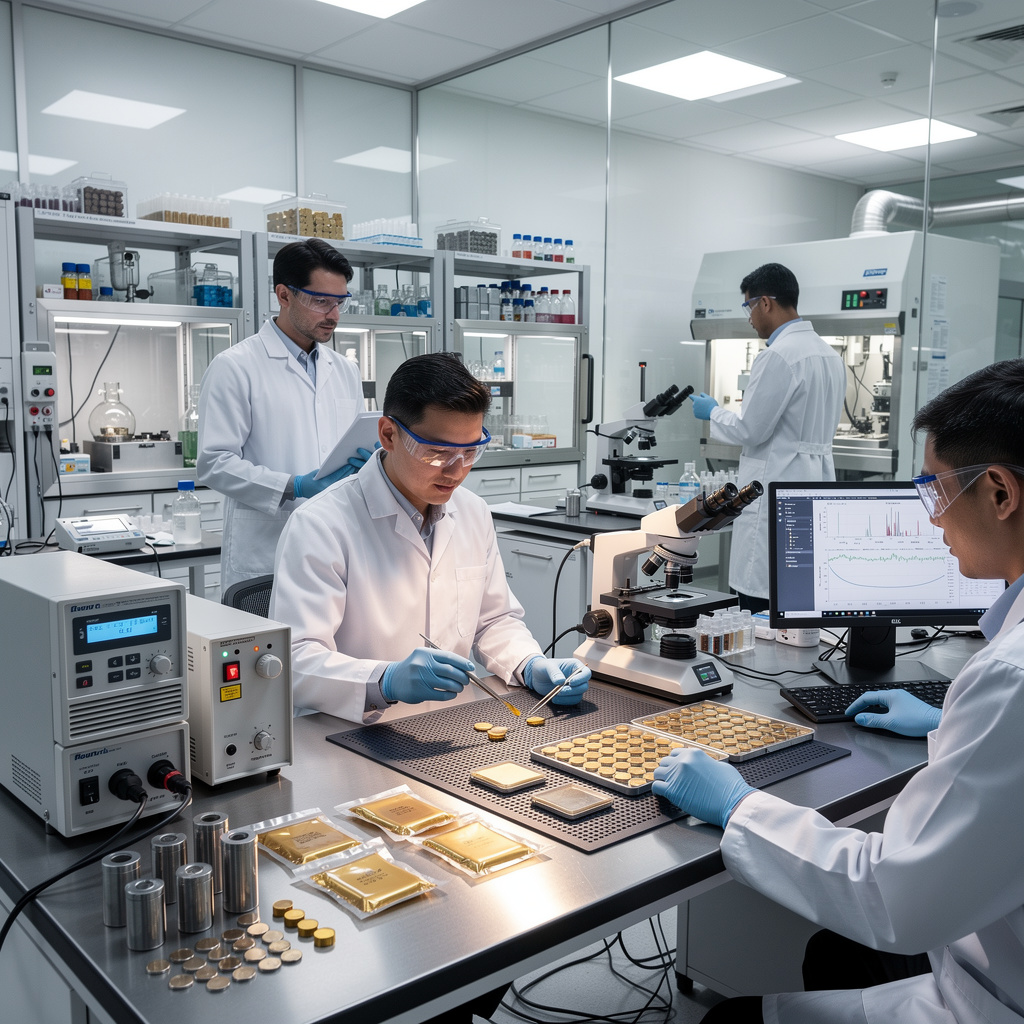
While sodium-ion batteries offer promising opportunities, procurement teams should evaluate new technologies carefully before incorporating them into commercial sourcing strategies.
Important considerations include:
Technology readiness and commercial production capacity.
Long-term supplier reliability.
Product performance within intended applications.
Regulatory compliance documentation.
Product Carbon Footprints where available.
Independent verification of sustainability claims.
Balanced evaluations help organisations distinguish commercially available technologies from projects still progressing through development.
Monitoring Commercial Development
Battery innovation moves quickly, but successful laboratory research does not always translate immediately into large-scale manufacturing.
Procurement professionals should monitor milestones such as:
Pilot production results.
Commercial manufacturing announcements.
Customer qualification programmes.
Performance validation across different battery applications.
Expansion of global supply capacity.
Tracking these developments provides early insight into when sodium-ion materials may become commercially practical for broader market adoption.
What Procurement Teams Should Do Now
The Sinopec-LG Chem partnership highlights a broader trend toward diversifying battery chemistry and reducing dependence on traditional critical minerals. While lithium-ion technology will continue serving many applications, sodium-ion batteries represent an important area of innovation that could improve supply chain resilience and support future sustainability objectives.
Procurement professionals should monitor technology progress without assuming immediate commercial adoption. Regular engagement with suppliers, evaluation of independently verified sustainability data and ongoing review of battery material developments will help organisations prepare for future sourcing opportunities as sodium-ion technology continues to mature.
Ready to source advanced battery materials from verified global suppliers? Explore competitive offers on our platform today.

Manganese Dioxide
Found this useful?