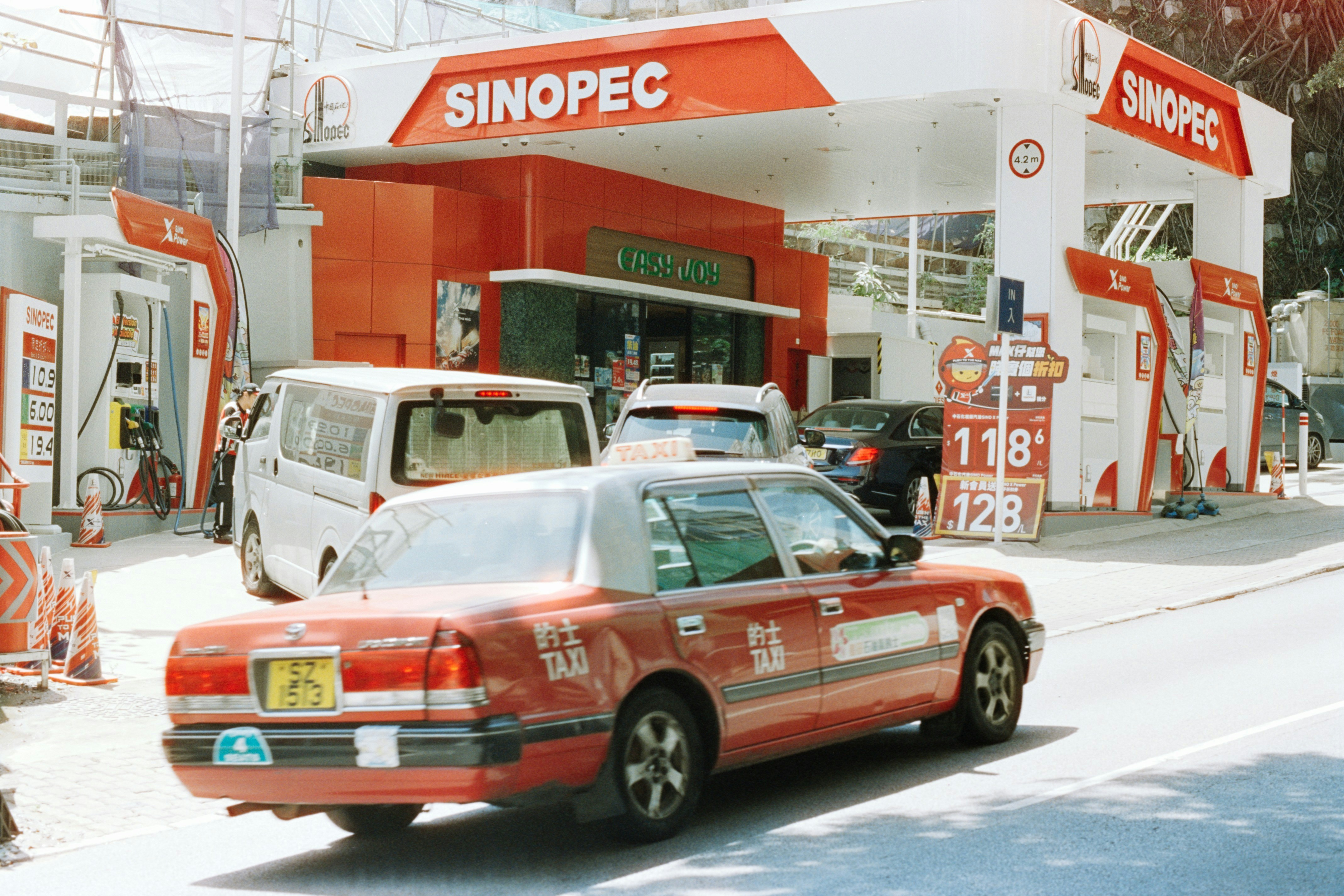
Sinopec–LG Chem Sodium-Ion Battery Partnership: What It Means for the Battery Chemical Supply Chain
Introduction
The global battery industry is evolving rapidly as manufacturers seek alternatives to conventional lithium-ion technology. Among the most promising developments is the advancement of sodium-ion batteries, which offer the potential for lower costs, greater raw material availability, and improved supply chain diversification. The strategic partnership between Sinopec and LG Chem highlights growing industry investment in next-generation battery materials and chemical manufacturing.
For procurement professionals and specialty chemical buyers, this collaboration represents more than a technological milestone. It signals a shift in chemical demand, production capacity, and global investment patterns that could reshape the battery chemical supply chain over the coming decade.
Why Sodium-Ion Batteries Are Gaining Attention
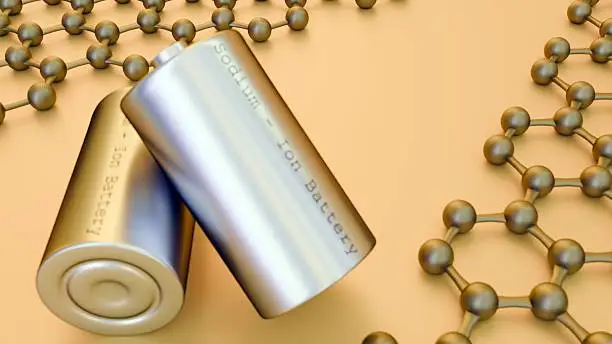
Sodium-ion batteries are emerging as a complementary technology to lithium-ion batteries, particularly for applications where cost, safety, and resource availability are key considerations.
Key advantages include:
Abundant sodium resources
Lower dependence on critical minerals
Potentially lower production costs
Improved supply chain diversification
Suitable for stationary energy storage applications
Enhanced thermal stability in certain battery designs
Although commercialization is still developing, investment in sodium-ion technology continues to accelerate worldwide.
Understanding the Sinopec–LG Chem Partnership
The collaboration reflects a strategic effort to strengthen the production of advanced battery materials while expanding manufacturing capabilities.
Key objectives include:
Expanding Battery Material Production
Increasing capacity to support future demand for sodium-ion battery technologies.
Accelerating Research and Innovation
Combining expertise in petrochemicals, specialty chemicals, and advanced materials to improve battery performance.
Building Regional Supply Chains
Strengthening manufacturing ecosystems that support battery production and related industries.
Supporting Energy Transition Goals
Contributing to the development of diversified energy storage technologies that complement renewable energy expansion.
How the Partnership Impacts the Battery Chemical Supply Chain
Strategic investments by major chemical companies can influence multiple areas of the supply chain.
Increased Demand for Specialty Chemicals
Production of sodium-ion batteries requires high-purity chemicals, specialty additives, solvents, binders, and advanced processing materials.
Capacity Expansion
Growing investment in battery materials encourages expansion of chemical manufacturing facilities and supporting infrastructure.
Supply Chain Diversification
The development of sodium-ion technologies reduces dependence on a limited number of raw material sources and broadens the battery materials ecosystem.
Innovation Across Chemical Markets
Research in battery chemistry often drives broader innovation in specialty chemicals, advanced polymers, and sustainable manufacturing processes.
Procurement Considerations for Chemical Buyers
Organizations supplying battery manufacturers should prepare for changing market requirements.
Important priorities include:
Monitor Emerging Technologies
Track advancements in sodium-ion battery commercialization and material specifications.
Evaluate Supplier Investment Plans
Assess manufacturers' production capacity, expansion projects, and research initiatives.
Diversify Strategic Suppliers
Develop sourcing strategies that reduce dependence on single regions or individual producers.
Strengthen Market Intelligence
Monitor pricing trends, regulatory developments, and demand forecasts for critical battery chemicals.
Opportunities for Specialty Chemical Manufacturers
The expansion of sodium-ion batteries creates new opportunities across the chemical industry.
Potential growth areas include:
Companies investing early in these markets may strengthen their long-term competitive position.
Industry Trends Shaping the Future
Several structural trends are driving investment in battery chemicals.
These include:
Growth in renewable energy storage
Expansion of electric mobility
Diversification beyond lithium-ion technology
Regional manufacturing development
Sustainable chemical production
Digital manufacturing and automation
These trends are expected to accelerate demand for innovative specialty chemicals over the coming years.
Building a Resilient Procurement Strategy
Procurement teams can strengthen long-term resilience by:
Diversifying global supplier networks.
Monitoring battery material investments.
Evaluating supplier innovation capabilities.
Integrating market intelligence into sourcing decisions.
Establishing long-term strategic partnerships.
Including sustainability and supply chain resilience in supplier evaluations.
These actions help organizations remain competitive in an increasingly dynamic chemical market.
Looking Ahead
The Sinopec–LG Chem partnership demonstrates how major chemical producers are positioning themselves for the future of energy storage. While sodium-ion batteries are still developing commercially, continued investment suggests growing confidence in their long-term role within the global battery ecosystem.
For procurement professionals, understanding these developments is essential. Cross-industry innovation increasingly shapes demand for specialty chemicals, making market intelligence and supplier diversification critical components of successful sourcing strategies.
Conclusion
The partnership between Sinopec and LG Chem reflects the growing momentum behind sodium-ion battery technology and its potential to reshape global battery chemical supply chains. As manufacturers invest in advanced materials, specialty chemicals, and expanded production capacity, procurement teams should prepare for evolving sourcing requirements and new market opportunities.
By monitoring emerging technologies, diversifying suppliers, and strengthening strategic partnerships, organizations can improve supply chain resilience while positioning themselves for growth in the next generation of battery materials.