Sinopec Zhongyuan Wind Project: 430 Million kWh
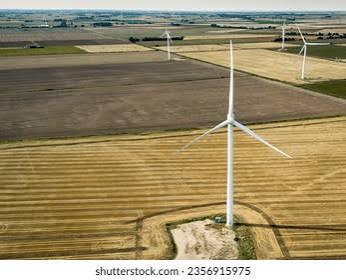
Sinopec’s Zhongyuan wind project has reached a significant operating milestone, generating 430 million kWh from its 112 MW capacity. The project gives Zhongyuan Oilfield a direct source of renewable electricity and shows how large energy companies can integrate wind power into existing industrial operations.
For chemical traders, procurement managers and industrial buyers, the development matters beyond the power sector. Renewable electricity can influence the economics of hydrogen production, reduce exposure to fossil-based power and create new demand patterns for equipment, process chemicals and supporting materials.
The project also provides a useful example of how brownfield industrial sites can support new energy assets. Zhongyuan Oilfield has connected the wind generation to its own grid, allowing the electricity to serve local demand rather than relying only on external power markets.
Why the 112 MW Zhongyuan Wind Project Matters
The Zhongyuan project is Sinopec’s first 100 MW-level wind power project and forms part of the Zhongyuan Oilfield Incremental Distribution Network Wind Power Hydrogen Production Demonstration Project. It uses 23 wind turbines, five switch stations, an energy storage system and 117 km of collector lines.
The project reached full grid connection in early 2025. Its operating model combines renewable generation with an established industrial electricity network, creating a direct link between wind resources and oilfield operations.
Sinopec’s reported performance also shows the scale of the installation. By the end of August 2026, cumulative generation had reached 430 million kWh, while expected average annual output stands at about 250 million kWh.
Renewable Electricity and Industrial Demand
Industrial sites require dependable electricity for pumps, compressors, control systems, water treatment, separation units and other continuous operations. Adding renewable generation can give these sites another source of electricity while supporting broader efforts to reduce the carbon intensity of operations.
The Zhongyuan project is expected to supply nearly one quarter of the oilfield headquarters’ electricity demand. That level of integration makes the project more than a standalone wind farm because its output connects directly with an existing industrial load.
For procurement teams, the development highlights several areas to monitor:
Electricity sourcing: More industrial companies may combine grid power with dedicated renewable generation to manage energy costs and emissions.
Hydrogen development: Renewable electricity can support electrolysis projects where infrastructure and operating conditions allow.
Industrial equipment demand: Wind, storage and grid integration projects require electrical equipment, cables, control systems and maintenance services.
Chemical consumption: New energy projects still depend on industrial chemicals for water treatment, cleaning, coatings, lubricants and other operating needs.
The Hydrogen Link Adds Strategic Importance
The wind project supports a demonstration project that includes renewable hydrogen production. This creates a potential pathway for using electricity generated within an oilfield network to produce hydrogen through electrolysis.
Hydrogen production can connect renewable power with industrial processes that are difficult to electrify directly. For energy-intensive companies, that link can expand the value of renewable generation beyond conventional electricity consumption.
The development also matters for chemical markets because hydrogen sits upstream of several important industrial value chains. Hydrogen can support ammonia production, refining operations and other chemical processes, although the commercial impact depends on project scale, utilization rates and infrastructure.
What the 430 Million kWh Milestone Signals
The cumulative 430 million kWh figure provides a practical indicator of how renewable assets can perform when integrated with industrial demand. The project has moved beyond construction and commissioning into an operating phase where generation can directly support the oilfield electricity system.
The installation also demonstrates the potential of using existing industrial land and infrastructure for energy transition projects. Zhongyuan Oilfield and Sinopec’s Xinxing New Energy Company developed the facility using resources associated with long-stopped well sites.
That approach can reduce the need to develop entirely new industrial locations for renewable projects. It also creates a model that other energy companies may examine when assessing how to repurpose underused assets.
For chemical buyers, the wider implication is that energy transition projects can emerge within traditional industrial clusters. Procurement strategies therefore need to track renewable power, hydrogen and related infrastructure alongside conventional chemical demand.
Supply Chain Implications for Chemical Traders
Wind power does not eliminate chemical demand from industrial operations. Instead, it can shift demand toward different applications as companies add renewable generation, storage and hydrogen equipment.
Several product categories may see relevance as industrial sites build or upgrade low-carbon infrastructure:
Water treatment chemicals can support systems associated with industrial water management and electrolysis operations.
Cleaning and maintenance chemicals can remain important for electrical equipment, turbines and process facilities.
Coatings and corrosion-control materials can support long-term protection of exposed industrial assets.
Chemicals linked to hydrogen production and downstream processing can gain importance as demonstration projects move toward larger-scale deployment.
The commercial opportunity depends on the technology selected and the operating model. Traders should therefore avoid treating renewable projects as a single demand category and instead track each project’s equipment, water, hydrogen and maintenance requirements.
How Renewable Power Can Affect Procurement Planning
Energy is a major operating input for many chemical and process industries. When companies introduce dedicated renewable generation, procurement teams may need to evaluate electricity contracts, production schedules and the relationship between power availability and chemical consumption.
The Zhongyuan model also highlights the value of local consumption. Electricity generated within or near an industrial network can reduce dependence on distant transmission and create a closer relationship between generation and production demand.
Procurement managers can respond by monitoring:
Renewable capacity additions at major industrial companies and oilfield operators.
Hydrogen demonstration projects that may develop into commercial facilities.
New storage capacity that can improve the usability of variable renewable electricity.
Local grid investments that connect new generation with industrial loads.
Changes in chemical requirements created by new process equipment and water systems.
This approach can help buyers identify demand before new facilities reach full commercial operation.
Regional and Strategic Significance for China’s Industrial Sector
China’s large industrial base creates significant opportunities to combine renewable electricity with existing energy infrastructure. The Zhongyuan project shows how an oilfield can add wind generation without separating renewable development from its core industrial network.
The project’s scale is also relevant. A 112 MW installation with 23 turbines represents a substantial dedicated power asset, while the associated storage and collection infrastructure provides additional flexibility for integration.
Sinopec’s approach may also encourage greater use of renewable resources across industrial operations. For chemical markets, this can gradually change the location, timing and composition of demand as new energy facilities appear alongside established production sites.
What Chemical Buyers Should Watch Through 2027
The next stage of the market will depend on how quickly renewable electricity moves from demonstration projects into broader industrial deployment. Buyers should focus on measurable project milestones rather than announcements alone.
Key indicators include:
Grid connection: A project that reaches full connection has moved into an operational phase with tangible electricity generation.
Hydrogen utilization: Electrolyzer operation can create new requirements for water treatment, maintenance and downstream chemical processing.
Storage deployment: Energy storage can influence how much renewable power an industrial site can use during different operating periods.
Industrial integration: Projects serving existing facilities can generate demand more directly than remote generation assets.
Supplier qualification: New infrastructure can create opportunities for approved chemical suppliers that can meet technical specifications and delivery requirements.
For traders, early visibility into these indicators can support inventory planning and customer development. It can also help suppliers understand whether a renewable project is likely to create one-time construction demand or recurring operating demand.
The Bottom Line for Procurement Teams
Sinopec’s Zhongyuan wind project shows how renewable electricity can become part of an established industrial energy system. Its 112 MW capacity, 430 million kWh of cumulative generation and expected annual output of about 250 million kWh demonstrate the scale that industrial renewable projects can reach.
For chemical procurement teams, the key issue is not wind power alone. The larger opportunity lies in the connected ecosystem of renewable electricity, hydrogen, storage, water management, industrial maintenance and downstream chemical processing.
Ammonia Anhydrous
Found this useful?