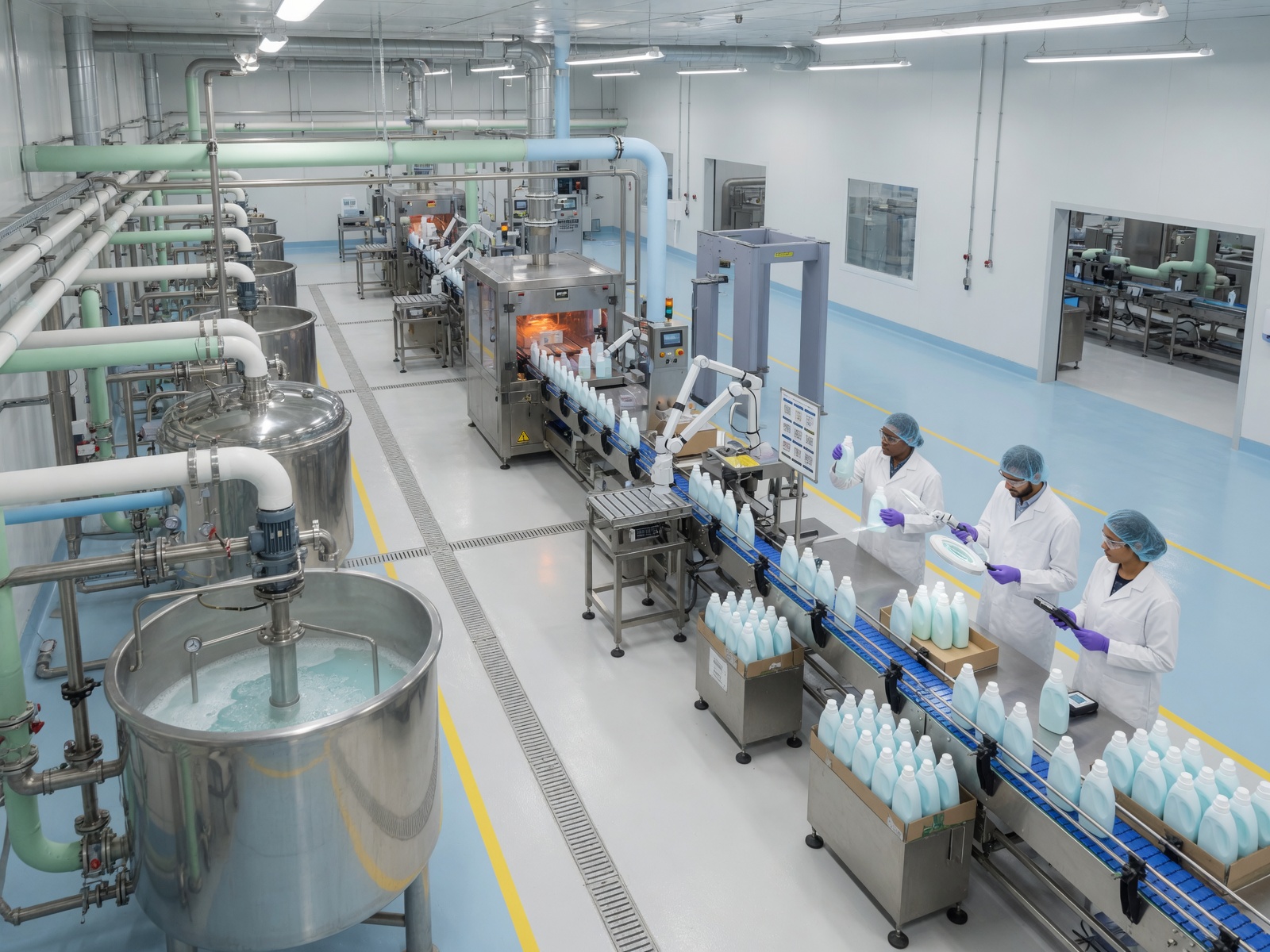
The soaps, polish and detergents sector has become one of the weakest performing segments within the broader petrochemical industry during 2026. While several downstream chemical markets continue to experience uneven recovery, consumer facing cleaning products have faced greater pressure from slower demand, cautious inventory management and ongoing cost challenges.
For procurement professionals, this shift highlights the importance of monitoring downstream demand alongside feedstock markets. Weakness in finished consumer products can influence purchasing decisions throughout the petrochemical value chain, affecting manufacturers of surfactants, solvents and other essential raw materials.
Unlike industrial chemicals that often benefit from infrastructure or manufacturing investment, soaps and detergents depend heavily on household and commercial consumption patterns.
When economic conditions become uncertain, manufacturers frequently respond by:
Reducing production volumes.
Managing inventories more conservatively.
Delaying purchases of raw materials.
Focusing on cost optimisation.
Limiting expansion of new product lines.
These decisions reduce demand for upstream petrochemical derivatives even when feedstock supplies remain available.
Petrochemical Raw Materials Remain Essential
Although demand may soften, detergent manufacturers continue relying on a broad range of petrochemical derived ingredients.
Common raw materials include:
Linear alkylbenzene sulfonic acid (LABSA) for cleaning performance.
Sodium lauryl ether sulfate (SLES) for foaming and detergency.
Caustic soda for manufacturing processes.
Solvents and specialty additives.
Fragrance carriers and formulation ingredients.
Any reduction in finished product output eventually influences purchasing activity across these supply chains.
Inventory Management Has Become More Conservative
Many detergent manufacturers are prioritising inventory efficiency over aggressive purchasing.
Instead of building large raw material stocks, procurement teams increasingly seek:
More accurate demand forecasting.
Shorter replenishment cycles.
Flexible supply agreements.
Better inventory visibility.
Reduced working capital requirements.
This purchasing behaviour contributes to lower overall demand across several petrochemical derivative markets.
Cost Pressures Continue Across the Supply Chain
Manufacturers must balance raw material costs with highly competitive consumer pricing.
Important cost factors include:
When consumer markets remain competitive, producers often have limited ability to pass these costs on through higher retail prices, placing additional pressure on profitability.
Procurement Teams Should Focus on Supplier Flexibility
Periods of slower demand create opportunities to strengthen supplier relationships rather than relying solely on price negotiations.
Procurement professionals should discuss:
Production flexibility.
Minimum order quantities.
Lead time adjustments.
Contract pricing mechanisms.
Inventory support programmes.
Suppliers capable of adapting production to changing market conditions often become valuable long term partners.
Opportunities Still Exist Despite Slower Growth
A weaker market does not eliminate commercial opportunities. Companies that optimise procurement strategies may improve competitiveness through better supplier selection and operational efficiency.
Potential areas of focus include:
Consolidating supplier networks.
Improving demand planning.
Reviewing alternative raw material sources.
Increasing production efficiency.
Strengthening quality assurance processes.
Organizations that maintain disciplined procurement practices often perform more effectively during slower market cycles.
What Buyers Should Do Now
The soaps, polish and detergents sector illustrates how downstream consumer demand can influence the broader petrochemical industry. As manufacturers continue managing costs and inventories carefully, procurement teams should strengthen supplier communication, improve demand forecasting and maintain sourcing flexibility.
Companies that respond proactively to changing market conditions will be better positioned to manage raw material costs while maintaining stable production and customer service.
Ready to source soap and detergent raw materials from verified global suppliers? Explore competitive offers on our platform today.