Sodium-Ion Battery Materials and Pharmaceutical Chemistry: What the LG Chem–Sinopec Partnership Reveals
Introduction
The global chemical industry is becoming increasingly interconnected, with innovations in one sector often influencing supply chains in another. A notable example is the growing investment in sodium-ion battery materials. As companies such as LG Chem and Sinopec expand their collaboration in advanced battery materials, procurement professionals in the pharmaceutical industry should pay attention—not because pharmaceuticals use sodium-ion batteries directly, but because both industries depend on many of the same chemical feedstocks, manufacturing infrastructure, and specialty chemical suppliers.
The partnership highlights how competition for chemical raw materials, production capacity, and technological expertise can reshape global supply chains, creating both challenges and opportunities for pharmaceutical manufacturers.
The Rise of Sodium-Ion Battery Technology
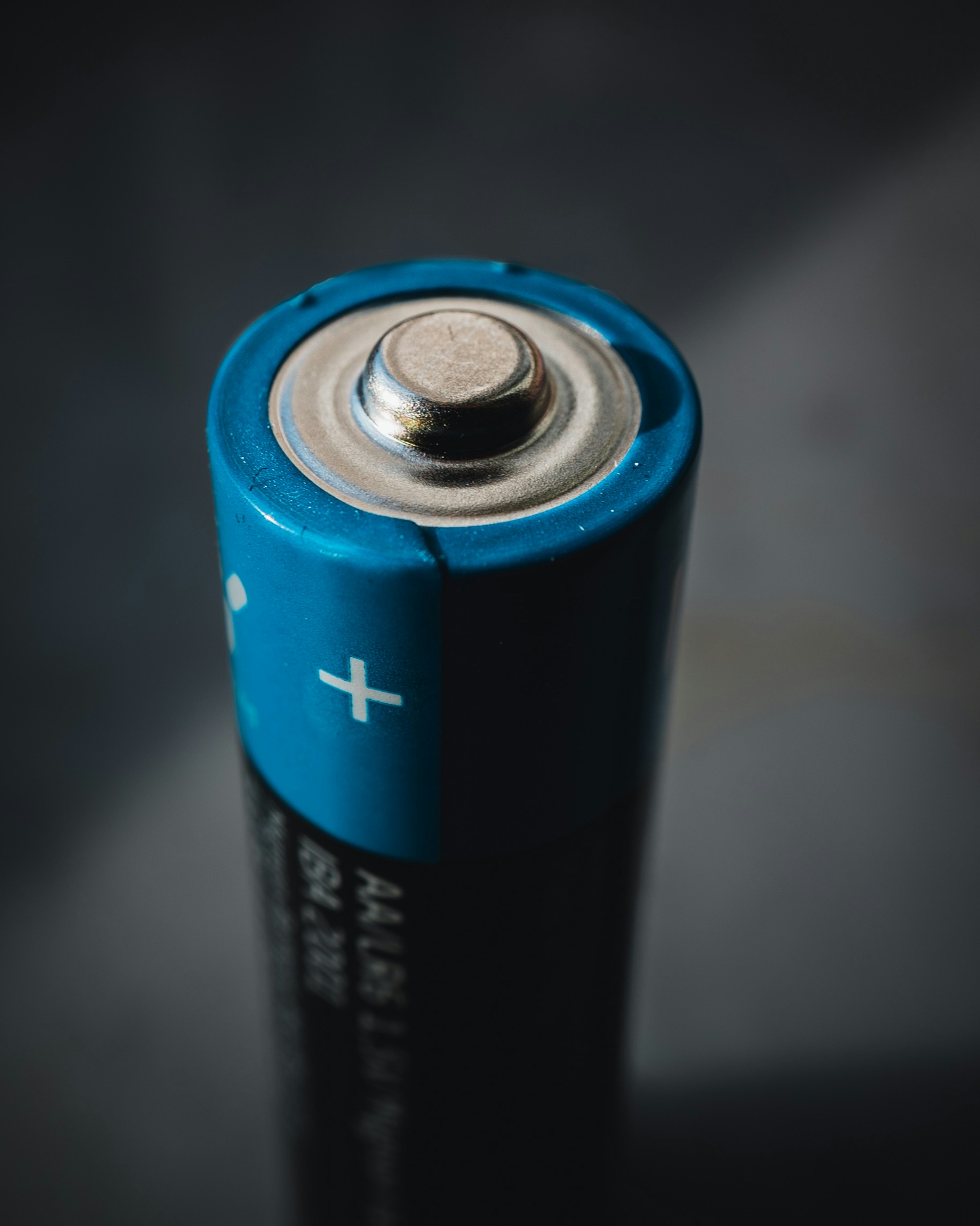
Sodium-ion batteries are emerging as an alternative to lithium-ion batteries for applications such as stationary energy storage and selected electric mobility solutions.
Key advantages include:
Greater availability of sodium resources
Lower raw material costs
Improved supply chain diversification
Reduced dependence on critical minerals
Strong potential for large-scale energy storage
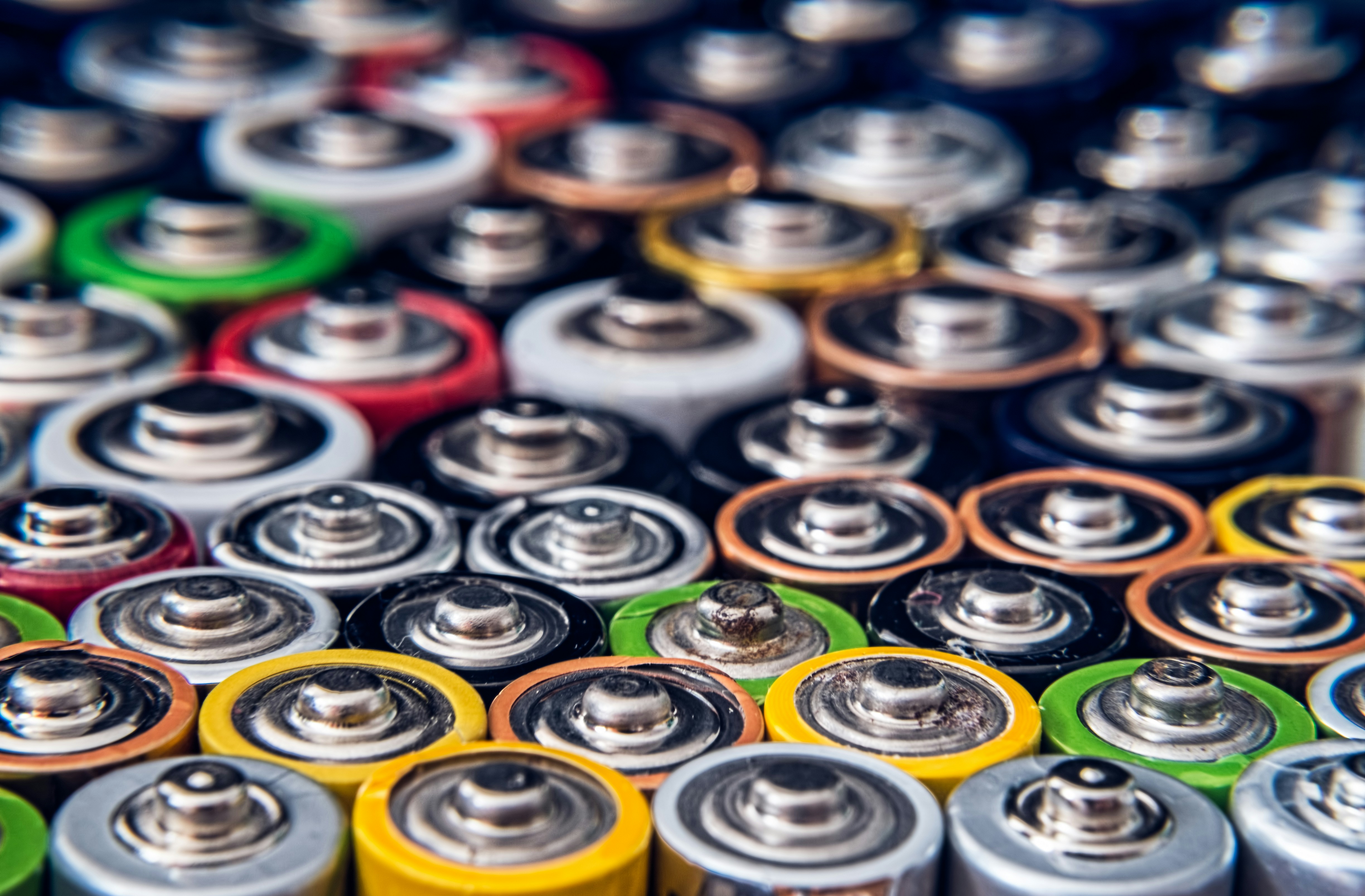
As commercialization accelerates, demand for battery-grade chemicals and processing materials is expected to increase significantly.
The LG Chem–Sinopec Partnership
The collaboration between LG Chem and Sinopec reflects a broader industry trend toward expanding advanced materials production for next-generation battery technologies.
Strategic objectives typically include:
Expanding chemical manufacturing capacity
Strengthening regional supply chains
Accelerating research and development
Improving production efficiency
Supporting growing demand for energy storage materials
Although focused on battery materials, these investments demonstrate how major chemical producers are prioritizing high-growth markets that may influence overall chemical production capacity.
Shared Chemical Supply Chains
Battery manufacturing and pharmaceutical production often rely on overlapping segments of the chemical industry.
Examples include:
As demand rises across multiple industries, procurement teams should monitor supplier capacity and market dynamics for these critical inputs.
Implications for Pharmaceutical Procurement
The expansion of battery materials manufacturing can indirectly influence pharmaceutical supply chains in several ways.
Increased Competition for Chemical Capacity
Chemical producers may allocate more resources toward rapidly growing battery markets, affecting production availability for other industrial sectors.
Higher Demand for High-Purity Chemicals
Both pharmaceutical and battery manufacturers require chemicals that meet stringent purity specifications, increasing competition for specialized production facilities.
Investment in Advanced Manufacturing
Capacity expansions driven by battery demand may also benefit pharmaceutical customers through improved manufacturing technologies and infrastructure.
Supply Chain Diversification
Regional investments by major chemical companies can create additional sourcing opportunities for pharmaceutical manufacturers seeking resilient supply networks.
Procurement Strategies for Pharmaceutical Companies
To manage evolving market conditions, procurement teams should adopt proactive sourcing strategies.
Recommended actions include:
Diversify Supplier Networks
Qualify multiple suppliers across different geographic regions to reduce dependence on a single production source.
Monitor Cross-Industry Demand
Track developments in battery manufacturing, specialty chemicals, and advanced materials markets that could affect pharmaceutical raw material availability.
Strengthen Supplier Collaboration
Maintain regular communication with key suppliers regarding production capacity, expansion plans, and long-term investment strategies.
Integrate Market Intelligence
Use procurement analytics and supply chain monitoring tools to identify emerging risks before they affect production.
Opportunities for Chemical Suppliers
Chemical manufacturers serving multiple industries may benefit from increasing demand for advanced materials.
Growth opportunities include:
High-purity specialty chemicals
Industrial solvents
Advanced polymer materials
Process chemicals
Sustainable manufacturing technologies
Digital production systems
Suppliers capable of supporting both pharmaceutical and energy sectors may achieve greater operational resilience and long-term market growth.
Sustainability and Innovation
Both pharmaceutical manufacturing and battery materials production are placing greater emphasis on sustainability.
Key priorities include:
Lower-carbon chemical production
Renewable energy integration
Circular economy initiatives
Waste reduction
Resource efficiency
Green chemistry innovation
Investments in sustainable manufacturing technologies can generate long-term benefits across multiple chemical-intensive industries.
Looking Ahead
The LG Chem–Sinopec partnership demonstrates how strategic investments in one segment of the chemical industry can influence global supply chains beyond their immediate market. As sodium-ion battery production expands, procurement professionals should recognize the interconnected nature of chemical manufacturing and prepare for shifts in supplier capacity, pricing, and material availability.
Organizations that monitor cross-industry developments, diversify sourcing strategies, and strengthen supplier partnerships will be better positioned to maintain supply continuity while adapting to changing market conditions.
Conclusion
The growth of sodium-ion battery materials is more than an energy industry story—it is a signal of broader transformation within the global chemical sector. Partnerships such as LG Chem and Sinopec's collaboration illustrate how investment priorities can reshape production capacity, influence specialty chemical markets, and affect procurement decisions across industries.
For pharmaceutical companies, the key takeaway is clear: understanding developments in adjacent chemical markets is becoming an essential part of effective procurement. By adopting diversified sourcing strategies, leveraging market intelligence, and building resilient supplier networks, organizations can better navigate an increasingly interconnected global chemical landscape.