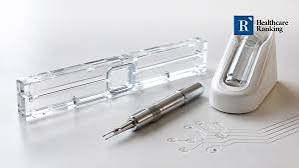
Solstice-Element Solutions Deal Could Touch Specialty Materials Used in Medical Device Manufacturing
The specialty chemicals industry continues to evolve through strategic partnerships, acquisitions, and portfolio expansions aimed at serving high-growth, technology-driven markets. Against this backdrop, a potential or announced deal involving Solstice and Element Solutions has attracted attention for its possible implications beyond traditional industrial applications. One area where the impact could be particularly significant is medical device manufacturing, where specialty materials are essential to product performance, reliability, and regulatory compliance.
While the full scope of any transaction will depend on its strategic objectives and integration plans, the combination of complementary technologies and expertise could influence the development and supply of advanced materials used throughout the medical device value chain.
The Growing Role of Specialty Materials in Healthcare
Medical devices have become increasingly sophisticated, incorporating advanced polymers, coatings, adhesives, electronic components, and precision-engineered materials. These specialty materials help manufacturers meet demanding requirements for biocompatibility, durability, sterilization resistance, and miniaturization.
Applications span a wide range of healthcare products, including:
Implantable devices
Surgical instruments
Diagnostic equipment
Catheters and tubing
Wearable health monitors
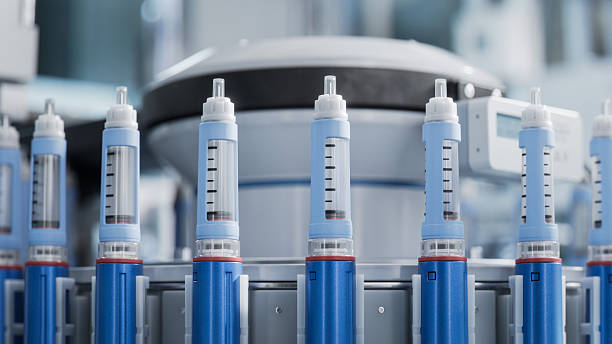
Drug delivery systems
Imaging equipment
As healthcare technologies continue to advance, the demand for innovative materials that enhance device performance and patient safety is expected to rise.
Why Strategic Deals Matter
Transactions within the specialty chemicals sector are often driven by the need to strengthen technology portfolios, expand manufacturing capabilities, and gain access to high-value end markets.
A collaboration or acquisition involving Solstice and Element Solutions could potentially deliver several advantages:
Broader specialty material offerings
Enhanced research and development capabilities
Expanded global manufacturing footprint
Greater technical support for healthcare customers
Improved supply chain efficiency
Increased investment in next-generation material technologies
These factors can help suppliers respond more effectively to the evolving needs of medical device manufacturers.
Advanced Materials Enable Medical Innovation

Modern medical devices depend on materials that perform reliably under demanding clinical conditions. Specialty materials contribute to:
Resistance to repeated sterilization cycles
Chemical and corrosion resistance
Electrical conductivity for electronic devices
Lightweight product design
Precision manufacturing compatibility
Long-term mechanical stability
As device designs become smaller and more complex, manufacturers increasingly rely on suppliers capable of delivering highly engineered material solutions with consistent quality.
Supply Chain Resilience Becomes a Priority
The healthcare industry has placed greater emphasis on supply chain resilience following recent global disruptions. Medical device manufacturers are seeking suppliers that can provide stable production, diversified manufacturing locations, and dependable delivery of critical materials.
A larger combined organization may be better positioned to:
Diversify manufacturing capacity
Strengthen raw material sourcing
Improve inventory management
Support regional production strategies
Reduce supply chain risks
Accelerate response to customer demand
These capabilities are becoming increasingly important as healthcare companies seek to reduce operational vulnerabilities.
Innovation Through Technical Collaboration
Specialty materials are rarely developed in isolation. Suppliers often work closely with medical device manufacturers during product development, helping optimize materials for specific applications and regulatory requirements.
An expanded technology platform could support innovation through:
Joint product development programs
Customized material formulations
Advanced surface treatment technologies
Improved electronic packaging materials
Enhanced reliability testing
Faster commercialization of new products
Such collaboration can shorten development timelines while improving product performance and manufacturing efficiency.
Sustainability Influences Material Selection
Sustainability is becoming an important consideration across the medical device industry. Manufacturers are increasingly evaluating materials based not only on technical performance but also on environmental impact.
Future innovation may focus on:
Lower-carbon manufacturing processes
Improved resource efficiency
Reduced hazardous substances
Recyclable packaging materials
Longer product life cycles
Responsible sourcing practices
Companies with strong sustainability strategies may gain a competitive advantage as environmental expectations continue to evolve.
Regulatory Compliance Remains Essential
Healthcare is one of the world's most heavily regulated industries. Any specialty material used in medical devices must meet rigorous standards for quality, traceability, and safety.
Material suppliers support compliance by providing:
Consistent product quality
Comprehensive technical documentation
Material traceability
Regulatory support
Quality management systems
Long-term supply commitments
Expanding technical capabilities through strategic partnerships can strengthen support for customers operating in regulated healthcare markets.
Market Outlook
Several long-term trends continue to drive demand for specialty materials in medical technology:
Aging populations requiring advanced healthcare
Rising adoption of minimally invasive procedures
Growth in wearable medical devices
Expansion of home healthcare technologies
Increased investment in diagnostic equipment
Digital transformation of healthcare
Greater emphasis on personalized medicine
These structural drivers create attractive opportunities for suppliers of high-performance specialty materials.
As medical devices become increasingly sophisticated, manufacturers will continue to seek partners capable of delivering reliable, high-performance materials that meet stringent regulatory and performance standards. Companies that combine technical expertise with operational excellence and sustainable innovation are likely to play a central role in shaping the future of healthcare manufacturing.
While the long-term impact of any strategic deal will depend on successful execution and market conditions, the broader direction is clear: specialty materials are becoming increasingly vital to the next generation of safe, efficient, and technologically advanced medical devices.
Betaine Anhydrous
Found this useful?