South Korea, Europe and China Diverge: Reading Deloitte's 2026 Regional Cracker Map for Polyethylene and Polypropylene Markets
The global petrochemical landscape looks very different in 2026. Regional cracker competitiveness has become one of the biggest factors influencing the supply of polyethylene, polypropylene and other key polymer feedstocks. Deloitte's latest regional cracker map highlights widening differences between Europe, South Korea, China, the United States and the Middle East, creating both risks and opportunities for chemical buyers.
For procurement managers, traders and manufacturers, these regional shifts affect more than production statistics. They influence pricing, sourcing strategies, contract negotiations and long term supplier relationships across the plastic and polymers value chain.
Why Regional Cracker Economics Matter in 2026
Ethylene crackers form the backbone of the petrochemical industry. They convert feedstocks such as naphtha and ethane into ethylene, which serves as the building block for polyethylene, ethylene oxide, ethylene glycol and many other downstream chemicals.
A region's ability to operate these facilities efficiently depends on several factors.
Feedstock availability and pricing directly influence production costs and plant profitability.
Energy prices remain a major operating expense, especially in regions dependent on imported fuels.
Logistics, export infrastructure and local demand determine whether producers can compete globally.
When any of these elements change, the impact spreads across polymer markets, affecting manufacturers, distributors and end users worldwide.
Europe Faces Growing Cost Pressure
Europe continues to experience one of the most challenging operating environments for petrochemical producers.
High energy expenses, elevated operating costs and competitive imports have reduced the profitability of many crackers. As a result, several facilities operate below optimal utilization rates while others face permanent shutdowns or extended maintenance periods.
Lower regional production creates several market implications.
Buyers may increasingly rely on imported polyethylene and polypropylene.
Supply chains become more dependent on overseas producers.
Regional price volatility may increase whenever imports experience shipping delays or logistical disruptions.
For European manufacturers, maintaining secure supply relationships has become just as important as negotiating competitive prices.
South Korea Navigates a More Competitive Export Market
South Korea remains an important petrochemical exporter with advanced production facilities and established trading networks.
However, the country's producers now compete against expanding capacity elsewhere in Asia and the Middle East. Larger global supply volumes place additional pressure on export margins, particularly for commodity polymer grades.
South Korean manufacturers continue focusing on operational efficiency, product quality and specialty materials to strengthen their competitive position while balancing lower margins in standard resin markets.
China Continues Expanding Polypropylene Capacity
China follows a very different strategy from Europe. Instead of reducing investment, the country continues expanding polypropylene production capacity to strengthen domestic manufacturing and reduce import dependence.
This strategy creates several market effects.
Domestic supply becomes increasingly capable of serving local manufacturing demand.
Regional trade flows gradually shift as import requirements decline for certain polymer grades.
Competition increases for exporters targeting Asian customers.
Chinese investments also support downstream industries including automotive manufacturing, consumer goods, packaging, construction materials and household appliances.
The result is a market with greater local production capacity and stronger regional competition.
New US and Qatar Projects Add Fresh Supply
While Europe manages production challenges, the United States and Qatar continue bringing significant new ethylene and polyethylene capacity online during 2026.
These new facilities benefit from competitive feedstock economics, modern production technologies and efficient export infrastructure.
Several advantages strengthen their global position.
Lower production costs improve pricing flexibility in export markets.
Modern plants typically achieve higher operational efficiency.
Access to major shipping routes supports international trade across Europe, Asia and Latin America.
As additional polyethylene volumes enter the market, buyers gain more sourcing options while producers compete more aggressively for export sales.
How Global Trade Flows Are Changing
The changing regional production landscape reshapes traditional petrochemical trade routes.
Instead of depending heavily on a few major exporters, buyers increasingly evaluate suppliers based on regional cost advantages, freight economics and long term reliability.
Several trends are becoming more visible.
Middle Eastern exports continue expanding into Asian and European markets.
US producers increase polyethylene exports through Gulf Coast terminals.
European buyers diversify supplier portfolios to reduce supply risk.
Asian producers compete more intensely within regional markets.
These developments encourage procurement teams to think beyond historical sourcing patterns.
What This Means for Polyethylene and Polypropylene Buyers
Procurement decisions now require a broader market perspective than simply comparing prices between suppliers.
Buyers should monitor several variables before finalizing purchasing agreements.
Regional operating rates because reduced utilization often limits available spot volumes.
New production start ups because additional supply may improve negotiating opportunities.
Freight conditions because transportation costs can offset lower product prices.
Feedstock trends since changes in oil, natural gas and naphtha prices eventually influence polymer production costs.
Supplier diversification because relying on one production region increases exposure to unexpected disruptions.
Companies that actively monitor these indicators often secure more stable supply arrangements while managing procurement costs more effectively.
Strategic Outlook for Plastic and Polymer Markets
The regional divergence highlighted by Deloitte suggests that the global petrochemical industry will become increasingly segmented rather than moving toward uniform growth.
Europe will likely continue optimizing capacity while focusing on higher value products instead of commodity volume growth. China appears committed to expanding domestic production capabilities, particularly in polypropylene. Meanwhile, the United States and Qatar strengthen their positions as competitive exporters through new ethylene and polyethylene investments.
This changing balance creates a more competitive international marketplace where supply availability varies significantly by region and product.
What Buyers Should Do Now
Procurement teams should view 2026 as a period of strategic adjustment rather than routine purchasing.
Building relationships with suppliers across multiple regions can improve resilience against market disruptions. Monitoring regional capacity additions, plant closures and changing trade flows also helps buyers identify purchasing opportunities before broader market sentiment shifts.
As competition between producing regions intensifies, companies that combine market intelligence with diversified sourcing strategies will be better positioned to manage costs, reduce supply risks and maintain reliable inventories.
Ready to source ethylene, polyethylene and polypropylene from verified global suppliers? Explore competitive offers on our platform today.
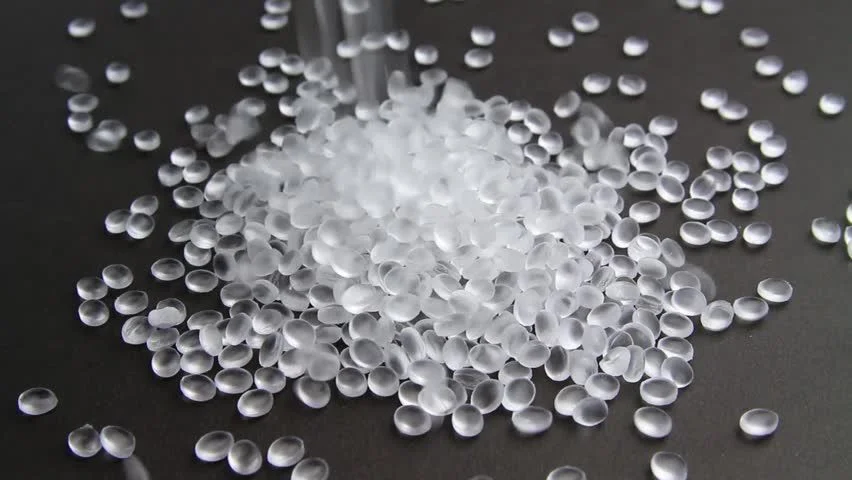
Polyethylene Terephthalate (PET)
Found this useful?