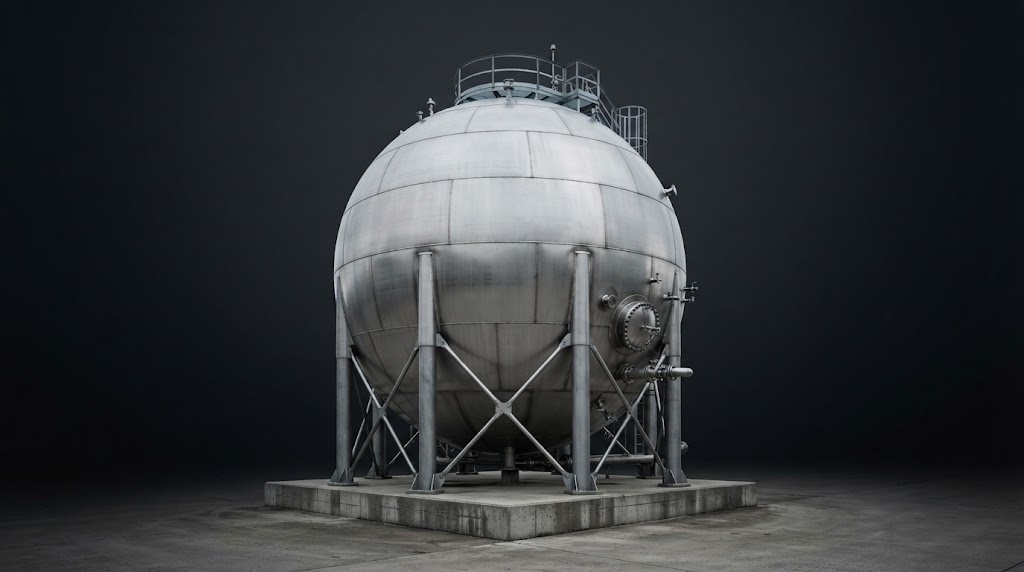
South Korean Industry Consolidation Adds Uncertainty to Q3 Ethylene Supply
The South Korean petrochemical landscape is undergoing a period of significant structural change. Industry consolidation combined with operational delays is creating unexpected volatility in the ethylene market.
ICIS analysts note that these factors could leave some domestic producers with urgent buying requirements in the third quarter of 2026. This shift transforms traditional suppliers into net buyers which fundamentally alters regional supply dynamics. Procurement managers must prepare for tighter availability and potential price spikes.
Planned turnarounds later in Q3 will further constrain local production capacity. The convergence of these events creates a perfect storm for supply chain disruption. Traders and importers need to understand the specific drivers behind this emerging shortage.
Buyers who rely on South Korean ethylene derivatives should anticipate lead time extensions. The market is moving from a state of relative balance to one of acute tightness. Strategic planning is now essential for maintaining operational continuity in this volatile environment.
How Consolidation Disrupts Traditional Supply Chains
Industry consolidation often leads to temporary operational inefficiencies as companies integrate systems and processes. In South Korea this restructuring has impacted the reliability of ethylene production schedules. Some facilities are operating below optimal levels while management teams align their strategic priorities.
This internal focus reduces the surplus volume typically available for spot market trading. Producers who once exported excess ethylene may now prioritize internal consumption or contract obligations. The


Ethyl Acetate
Found this useful?