South Korea's KPIC to Shut Its Cracker for Scheduled October Turnaround
South Korea’s petrochemical sector faces renewed supply constraints as Korea Petrochemical Industry Co (KPIC) prepares for a major maintenance event. The company plans to shut its cracker in mid-October for a scheduled turnaround.
This outage is one of several planned disruptions in the third quarter that could tighten regional markets. Procurement managers and chemical traders must anticipate reduced availability of key building blocks like ethylene. The timing of this shutdown coincides with other industry maintenance activities across Northeast Asia.
Buyers should expect potential volatility in spot prices and contract negotiations during this period. The cumulative effect of multiple outages may strain local supply chains and increase reliance on imports. Understanding the scope and duration of the KPIC turnaround is essential for effective sourcing planning.
The petrochemical industry operates on tight margins where even short disruptions can have significant ripple effects. Traders need to secure alternative supply sources well in advance to avoid production delays. This development underscores the importance of diversification in chemical procurement strategies.
Details of the KPIC October Turnaround
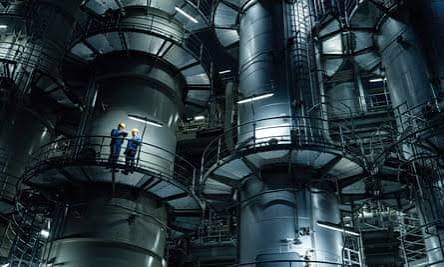
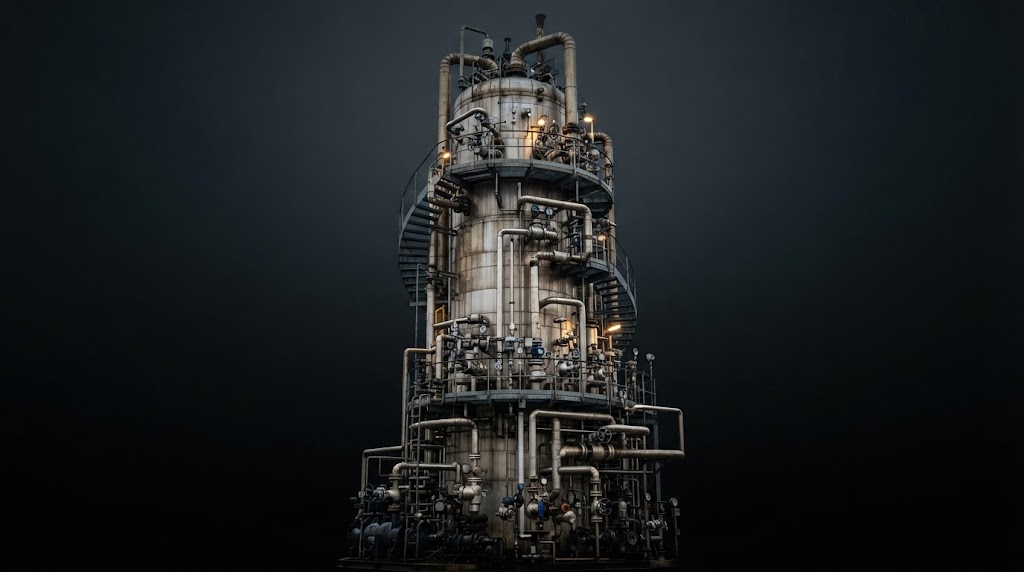
Korea Petrochemical Industry Co has scheduled its cracker shutdown for mid-October to perform essential maintenance. These turnarounds are critical for ensuring the long-term reliability and safety of steam cracking facilities. The process involves inspecting reactors replacing catalysts and upgrading equipment to maintain optimal performance.
The duration of the shutdown will determine the extent of the supply impact on the regional market. Typical cracker turnarounds last between four to six weeks depending on the scope of work required. During this period the facility will produce zero ethylene and other downstream derivatives.

Procurement teams should confirm the exact dates and expected restart timeline with their suppliers. Early communication allows buyers to adjust inventory levels and secure backup supplies if necessary. The predictability of scheduled outages offers some advantage over unplanned incidents but still requires careful management.
Cumulative Impact of Q3 Outages in South Korea
The KPIC shutdown is not an isolated event but part of a broader wave of maintenance activities in South Korea. Several other major producers have also planned turnarounds for the third quarter creating a compounded supply deficit. This cluster of outages significantly reduces the total operating rate of national cracking capacity.
Regional buyers who rely on domestic ethylene feeds may face shortages if they do not plan ahead. The lack of spare capacity in the local market means that imports will likely increase to fill the gap. Traders should monitor import volumes from neighboring countries like Japan and China closely.
The cumulative effect of these outages puts upward pressure on spot prices for ethylene and its derivatives. Producers with available capacity may leverage the tight market to negotiate higher contract rates. Buyers must balance the need for supply security with the risk of paying premium prices during this period.
Effects on Downstream Derivative Markets
Ethylene serves as the primary feedstock for a wide range of downstream chemicals including polyethylene and ethylene oxide. A reduction in ethylene availability directly impacts the production schedules of these derivative plants. Manufacturers of packaging films and industrial resins may need to adjust their output levels accordingly.
Polyethylene prices often correlate strongly with ethylene feedstock costs and availability. A tight ethylene market typically translates to higher polyethylene prices in both spot and contract segments. Buyers of these materials should anticipate potential price increases and lead time extensions from their suppliers.
Other derivatives such as vinyl acetate monomer and styrene may also experience supply tightness. The interconnected nature of the petrochemical value chain means that disruptions at the cracker level propagate quickly downstream. Procurement managers must evaluate their entire bill of materials for potential risks associated with this outage.
Sourcing Strategies for Buyers During the Shutdown
Procurement leaders should review their current inventory levels and consumption rates immediately. Building a safety stock of critical materials before the mid-October shutdown provides a buffer against supply disruptions. This strategy helps maintain continuous production operations even if deliveries are delayed.
Diversifying supply sources is another effective way to mitigate the risks of regional outages. Engaging with suppliers in other geographic regions can provide access to alternative ethylene and derivative streams. While logistics costs may be higher this approach ensures supply continuity during local shortages.
Negotiating flexible contract terms allows buyers to adjust volumes based on actual market conditions. Clauses that permit volume flexibility or price adjustments can protect companies from extreme market volatility. Procurement teams should work closely with legal and finance departments to structure these agreements effectively.
Global Trade Flows and Import Opportunities
The supply deficit in South Korea creates opportunities for international traders to enter the regional market. Exporters from the Middle East and North America may increase shipments to capitalize on higher local prices. This influx of imports can help stabilize the market but also introduces new competitive dynamics.
Buyers should evaluate the quality and specifications of imported materials to ensure they meet production requirements. Differences in product grades or packaging standards may require adjustments in handling and processing procedures. Working with experienced freight forwarders ensures smooth customs clearance and timely delivery of these shipments.
Monitoring global trade flows provides insight into where surplus capacity exists and where demand is strongest. Traders can use this information to identify arbitrage opportunities and optimize their sourcing networks. The global nature of the petrochemical market offers resilience against local supply shocks.
What Procurement Teams Should Do Now
Procurement professionals must act quickly to secure supply commitments before the October shutdown begins. Contacting current suppliers to discuss their contingency plans and allocation strategies is a critical first step. Understanding how much volume each supplier can guarantee during the outage helps in planning inventory needs.
Exploring spot market purchases for immediate needs can bridge gaps until regular supplies resume. However buyers should be cautious of volatile spot prices and verify the reliability of new trading partners. Using established platforms with verified suppliers reduces the risk of fraud or non-delivery.
Collaborating with internal production and logistics teams ensures that everyone is aligned on the sourcing strategy. Clear communication prevents misunderstandings and enables a coordinated response to supply challenges. Procurement teams play a vital role in maintaining operational stability during these disruptive periods.
The Bottom Line for Chemical Traders
The scheduled KPIC cracker shutdown in mid-October adds significant pressure to an already tight South Korean market. Combined with other Q3 outages this event will likely reduce ethylene availability and support higher prices. Buyers and traders must proactively manage their supply chains to navigate this challenging period successfully.
Strategic planning inventory buildup and supplier diversification are key to mitigating the risks of this outage. Companies that prepare early will be better positioned to maintain production continuity and control costs. The petrochemical market rewards those who anticipate changes and adapt their strategies accordingly. Ready to source Ethyl Acetate from verified global suppliers? Explore competitive offers on our platform today.
Ethyl Acetate
Found this useful?