South Korea’s Yeosu Restructuring Ranks Among Asia’s Boldest 2026 Overcapacity Fixes
The Overcapacity Challenge in Asia
Asia’s petrochemical industry has long been weighed down by a surplus of production capacity. In 2024, the region’s cumulative excess was estimated at over 8 million metric tons of embarrassment. This glut depresses prices, squeezes margins, and undermines the competitiveness of Asian producers relative to the Middle East and North America.
South Korea, a key player in the global chemical market, has faced mounting pressure to rationalize its output. The country’s petrochemical giants, including SK Hynix, LG Chem, andRD (formerly Daesun Group), have all signaled a willingness to reduce capacity to align supply with demand.
Yeosu: A Strategic Hub in the Making
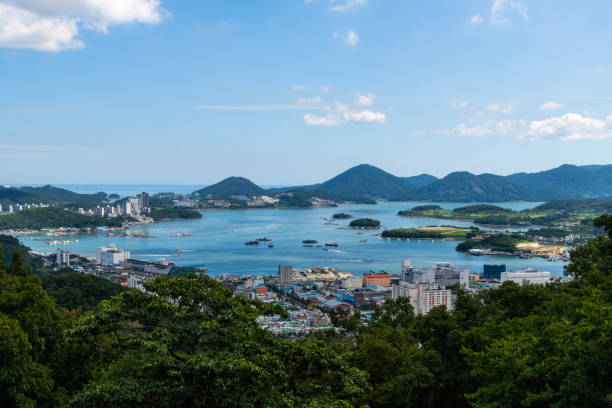
Located on the southern coast, the Yeosu Chemical Complex is the centerpiece of Korea’s restructuring plan. The complex currently hosts a range of facilities, from ethylene and propylene units to advanced polymer plants. The new strategy will involve shutting down or repurposing several of these assets to create a leaner, more efficient operation.
Key Components of the Cut
Closure of the 3th‑generation ethylene cracker, reducing annual output by 400,000 t.
Repurposing of the polypropylene unit into a specialty polymer facility.
Investment in a new, high‑yield ethylene platform with a 30% lower CAPEX per ton.
Decommissioning of outdated steam crackers and associated gas turbines.
Impact on Regional Supply and Margins
The immediate effect of the Yeosu cuts is a tighter supply curve across East Asia. With fewer barrels of feedstock flowing into the market, prices are expected to rise by 5–8% over the next 12 months, according to analysts at K-Consult.
Margin improvements are projected at 10–12% for Korean producers, thanks to lower operating costs and higher product prices. These gains will ripple through the supply chain, benefiting downstream manufacturers of plastics, packaging, and automotive components.
Export Dynamics: A Shift in Trade Flows
By reducing domestic overcapacity, Korea will free up more volume for export. The Yeosu complex’s proximity to major shipping lanes positions it as a prime candidate for supplying the Middle East, Southeast Asia, and the Americas. Export volumes are expected to rise by 15% in 2026, particularly for high‑value specialty polymers.
Moreover, the strategic realignment may prompt Korean firms to pursue joint ventures with foreign partners, expanding their global footprint and securing long‑term supply contracts.
Global Chemical Pricing: A Ripple Effect

China’s own capacity rationalization in 2025 has already begun to influence global pricing. Yeosu’s moves will complement these efforts, creating a more balanced global supply scenario. Analysts predict a 3–4% global price uptick for base chemicals, with specialty segments seeing higher gains.
For end‑users, this could translate into slightly higher costs for polymer‑based products, but also a more stable market environment that supports innovation and long‑term planning.
Risks and Mitigation Strategies
Supply Chain Disruptions: Phased shutdowns and careful inventory management will mitigate shortages.
Regulatory Hurdles: Working closely with Korean regulatory bodies ensures compliance and avoids delays.
Market Volatility: Hedging strategies and long‑term contracts secure revenue streams.
A Bold Move with Far‑Reaching Consequences
The Yeosu restructuring is one of the most courageous steps an Asian producer has taken to address overcapacity. By cutting excess capacity, Korea is poised to strengthen its margins, boost exports, and influence global chemical pricing. While challenges remain, the strategic benefits position South Korea as a leading force in the next era of petrochemical innovation.
Ammonium Sulphate - China
Found this useful?