






Agrochemicals & Fertilizers
Jul 29, 2026schedule4 Min Read
Chief Justice Roberts Dissented on Practical Consequences of Pesticide Preemption
Chief Justice Roberts pushed back on the practical consequences
Full Reportarrow_forward


prodchem
Jul 29, 2026
Behind every finished surgical adhesive or wound dressing sits a raw material supply chain that rarely gets attention until demand shifts. That's about to happen. As H.B. Fuller integrates Advanced Medical Solutions (AMS) and scales up combined surgical adhesive production, the companies expect meaningfully higher demand for several core input categories: acrylic polymers, silicone adhesives, cyanoacrylates, and medical-grade resins. For raw material suppliers and buyers positioned anywhere along that chain, this is a demand signal worth planning around now rather than after volumes have already shifted.
Each of these raw material categories serves a distinct function within the broader surgical and wound care adhesive formulation process, which is part of why rising output across the combined business is expected to lift demand across all four rather than concentrating on a single input.
Acrylic polymers are widely used in pressure-sensitive medical adhesives and skin-contact tapes, valued for their flexibility, adhesion consistency, and compatibility with sensitive skin over extended wear periods.
Silicone adhesives have become increasingly important in wound care and wearable device applications specifically because of their gentle removal characteristics, which matter significantly for repeat-use products and fragile or pediatric skin.
Cyanoacrylates remain the backbone of many surgical tissue adhesives, prized for their rapid curing time and strong bonding characteristics in wound closure applications.
Medical-grade resins support a broader range of formulated biosurgical and specialty adhesive products, often serving as carriers or modifiers that fine-tune a final product's performance characteristics.
A demand increase tied to higher surgical product output suggests this isn't simply a matter of AMS's existing production continuing under new ownership. It points toward H.B. Fuller actively scaling combined manufacturing capacity, likely as part of the cross-selling and integration strategy the company has outlined since announcing the deal. That distinction matters for how raw material buyers should interpret the signal:
Rising output tied to genuine volume growth, rather than simple consolidation of existing production, tends to create sustained rather than temporary raw material demand.
Suppliers positioned to serve both companies' existing raw material needs may see increased order volumes as production scheduling and sourcing consolidate across the combined entity.
New product development efforts, particularly around wearable device adhesives where H.B. Fuller has specifically flagged unmet needs, could introduce demand for more specialized formulations of these same raw material categories.
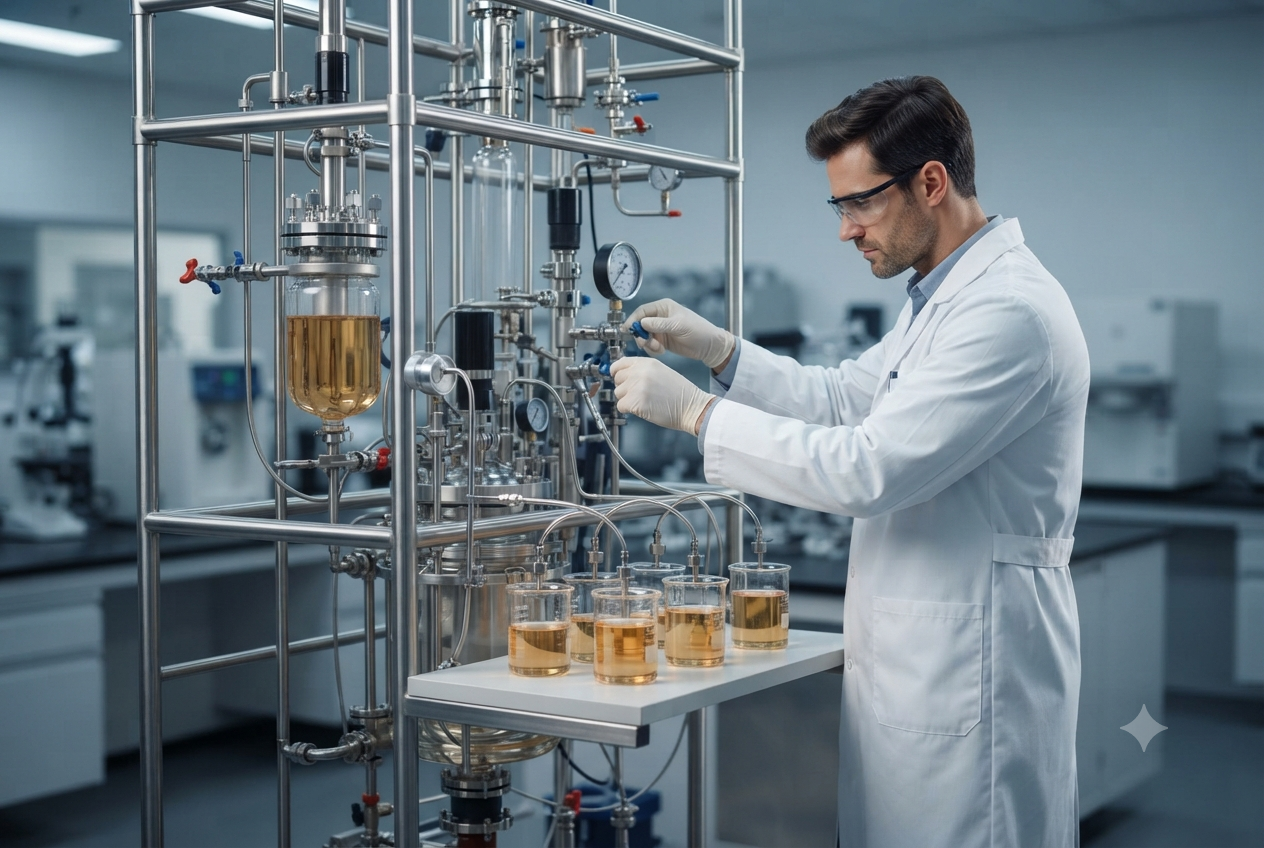
Rising demand across these four categories doesn't happen in isolation from the rest of the specialty chemicals market. Buyers sourcing acrylic monomers, silicone intermediates, or cyanoacrylate precursors for entirely unrelated applications, ranging from industrial adhesives to consumer products, may feel indirect effects if a scaling medical adhesives business begins competing more aggressively for the same upstream supply. A few considerations worth factoring into sourcing plans:
Medical-grade raw material specifications often carry stricter purity and regulatory documentation requirements than industrial-grade equivalents, which can mean medical demand growth pulls preferentially from a narrower, more specialized supplier base rather than the broader commodity market.
Suppliers with existing qualified relationships in medical-grade acrylic and silicone production may see this as an opportunity to expand capacity or formalize longer-term supply agreements with the combined H.B. Fuller-AMS entity.
Buyers outside the medical adhesives space relying on the same base chemistries should monitor pricing and availability trends closely as this demand shift plays out over the coming quarters.
Even setting aside the specifics of the H.B. Fuller-AMS integration, rising raw material demand tied to surgical and wound care product growth reflects a broader trend across the medical adhesives category: sustained expansion in wearable devices, aging population-driven wound care needs, and increasing surgical procedure volumes globally. This particular demand signal is company-specific in its origin, but it's consistent with, and likely reinforces, demand trends that raw material suppliers in this space have already been tracking.
Rising demand for acrylic polymers, silicone adhesives, cyanoacrylates and medical-grade resins tied to a scaling surgical adhesives business is a signal worth acting on early rather than waiting for tighter supply or firmer pricing to confirm it. Raw material suppliers with medical-grade qualified capacity should consider proactively engaging with the combined H.B. Fuller-AMS procurement organization as integration progresses. Buyers competing for the same upstream chemistries in adjacent applications should build in extra lead time and pricing flexibility into near-term sourcing plans, given the likelihood of tightening competition for specialized, medical-grade supply over the next several quarters.
Ready to source adhesive raw materials from verified global suppliers? Explore competitive offers on our platform today.
Featured Product
Found this useful?
Continue Reading
Chief Justice Roberts pushed back on the practical consequences
The FDA’s PreCheck pilot program has identified four industry leaders—Cellares, Fujifilm, Lilly and Regeneron—whose innovative manufacturing and regulatory strategies set new standards in biologics production.systematic analysis of their capabilities reveals how these companies are reshaping pharmaceutical manufacturing and regulatory readiness. Their inclusion signals a shift towards faster, more transparent approval pathways for next‑generation therapeutics.

Bayer’s settlement totals surpassed $10 billion, placing the company at the top of the chemical industry’s product liability list. The Roundup litigation has reshaped how agrochemical firms manage legal risk and redefined expectations for future lawsuits.