Specialty Assets in Coatings and Advanced Materials Still Command Premium Multiples
Specialty Assets in Coatings and Advanced Materials Still Command Premium Multiples
In a chemical M&A market where commodity assets are being sold at 5-7x EBITDA — if they sell at all — specialty assets are still fetching 12-15x.
PwC’s midyear outlook confirms what dealmakers have been seeing on the ground: specialty assets in coatings, advanced materials, nutrition, water and other defensible end markets can still attract premium multiples, even as overall chemical deal volume remains muted.
Buyers are not paying for tons. They are paying for moats.
1. Why Coatings and Advanced Materials Command a Premium
PwC highlights that not all specialty is equal. The assets getting premium multiples share three traits:
1. Formulation IP, not just manufacturing. A company that makes a commodity epoxy resin gets 6-7x. A company that makes a formulated coating that prevents corrosion on offshore wind turbines or makes an EV battery lighter gets 13-15x. Why? Because the customer buys performance, not kilograms. Henkel paying €2.1 billion for Stahl — roughly 12-13x — is a perfect example. Stahl doesn’t just sell polyurethane; it sells the formulation that makes leather soft and durable for BMW and Louis Vuitton.
2. Defensible end markets. Coatings for aerospace, medical devices, semiconductor advanced materials, water treatment membranes, and infant nutrition ingredients all grow through cycles. A construction slowdown hurts architectural paint, but it doesn’t hurt coatings for data center cooling systems or battery materials. PwC notes that assets exposed to “defensible” end markets — where regulation, qualification, or safety creates switching costs — are trading at a 40-60% premium to GDP-linked chemicals.
3. Sustainability upside. Assets that enable decarbonization or circularity are getting an ESG premium. Water-based coatings that replace solvents, advanced materials that enable lightweighting, and water treatment chemicals that enable reuse are all growing 8-12% annually. Buyers like IMCD, Brenntag, and private equity platforms are willing to pay up because they can grow these assets 2-3x faster than the underlying chemical market.
2. What Premium Multiples Look Like in 2026
PwC’s data shows a clear bifurcation:
Coatings and advanced materials: 12-15x EBITDA. Recent deals: Henkel-Stahl (coatings for flexible substrates) at ∼12-13x, Axalta acquiring a niche industrial coatings player at 13.5x, and several advanced ceramics and battery materials assets trading above 14x. Buyers are strategic corporates and PE platforms building specialty coatings groups.
Nutrition, water, and personal care: 13-18x EBITDA. The highest multiples in chemicals. Water treatment chemical assets, specialty food ingredients, and beauty actives command even higher multiples than coatings because of recurring revenue and regulatory barriers. IMCD’s acquisition of Merit Solution in Thailand (plastic additives with technical lab) fits here — distribution assets with technical formulation capability are now trading at 11-13x, up from 8-9x three years ago.
Commodity chemicals: 5-8x, if they trade. Basic polymers, commodity fertilizers, and standard solvents are seeing low multiples and many failed processes. Buyers worry about Chinese overcapacity and energy cost volatility.

The message from PwC is blunt: if you own a specialty asset with formulation IP and defensible end markets, this is the best seller’s market in five years. If you own a commodity asset, wait.
3. What This Means for Owners and Buyers
If you own a coatings or advanced materials business:
You are holding a premium asset, but only if you can prove defensibility. PwC notes that buyers now diligence three things more than ever:
Customer stickiness: Do you have 3+ year contracts or approved supplier status with qualification times >12 months?
Formulation ownership: Do you own the formula, or are you tolling someone else’s?
Regulatory moat: Do you have REACH, FDA, or aerospace qualifications that a new entrant cannot easily replicate?
If you check these boxes and are $10-100M in revenue, you can realistically expect 12-15x EBITDA in today’s market. Clean up your technical dossiers and get your lab notebooks documented — buyers pay for IP that is written down.
On our marketplace, we are seeing strong inbound from European, US, and Japanese strategics looking for Indian coatings, advanced materials, and water treatment chemical manufacturers with REACH registration and lab capabilities. If you are considering an exit, listing your technical capabilities anonymously can generate interest without a full sale process.
If you buy coatings or advanced materials:
Premium multiples mean your suppliers are likely to be acquired — and post-acquisition, prices usually go up 5-10% as new owners try to recoup their premium. Protect yourself:
Dual-source critical coatings now. If you buy a specialty coating that only one company makes, qualify an alternate from India or China today. We have verified alternate suppliers for PU coatings, corrosion inhibitors, and specialty additives with comparable specs holding stock in India and Southeast Asia.
Lock long-term contracts before the deal closes. When a coatings asset is in play, suppliers are more willing to lock 12-month pricing to show stable revenue to buyers. Use that window.
PwC’s midyear outlook confirms a simple truth: in 2026, the chemical industry is no longer one market. It’s two — a low-multiple commodity market and a high-multiple specialty market for defensible assets.
Coatings and advanced materials, with their formulation IP and sticky end markets, sit firmly in the premium camp.
If you source specialty coatings, advanced materials, or water treatment chemicals, post your spec on our marketplace. We’ll connect you with verified alternate suppliers so your supply chain isn’t held hostage when your current supplier gets acquired at 15x EBITDA.
In specialty chemicals, a premium multiple for your supplier means a premium price for you — unless you have a backup ready.
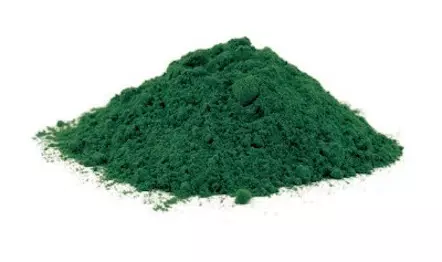
Basic Chromium Sulphate
Found this useful?