Strait of Hormuz Disruption 2026: A Timeline of the Chemical Trade Chokepoint Crisis
Strait of Hormuz Disruption 2026: A Timeline of the Chemical Trade Chokepoint Crisis
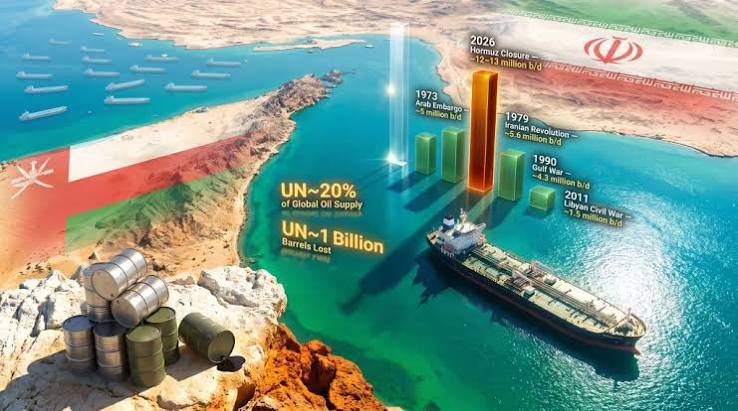
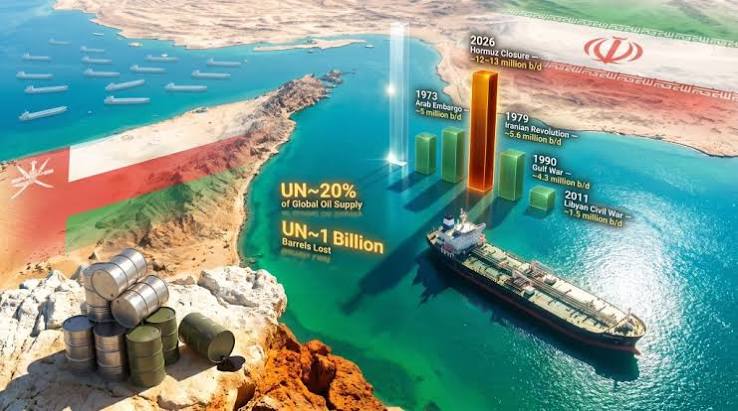
The Strait of Hormuz, the narrow passage linking the Persian Gulf to the Gulf of Oman and Arabian Sea, has functioned as one of the world’s most critical energy and chemical trade arteries. In normal conditions it handles approximately one-fifth of global seaborne oil and a similar share of liquefied natural gas, along with substantial volumes of petrochemical feedstocks, sulphur, fertilisers and other bulk chemicals. From 28 February 2026 that flow was abruptly interrupted.
28 February – Early March 2026: Immediate Collapse of Traffic
On 28 February 2026, joint United States and Israeli military strikes on Iran triggered an immediate reaction in the strait. Iranian forces issued warnings that passage was unsafe. Commercial ship traffic, which had averaged well over 100 vessels per day, dropped sharply—reports indicated declines of 70% or more within hours. Major oil companies, trading houses and container lines suspended or paused Hormuz transits. Vessels already in the area executed U-turns, idled in the Gulf of Oman or remained inside the Persian Gulf. War-risk insurance premiums began their steep climb, effectively pricing many operators out of the route.
March – April 2026: Formal Closure Signals and Stranded Tonnage
By early March, Iranian authorities had declared the strait closed to vessels linked to the United States, Israel and their allies. Attacks on commercial shipping were reported. Hundreds of vessels became stranded inside the Gulf. LNG loadings from Qatar and crude liftings from Saudi Arabia, Iraq, the UAE and Kuwait faced severe constraints. Chemical and fertiliser cargoes—sulphur, urea, ammonia derivatives and petrochemical intermediates—joined the backlog. Alternative routing options were limited; the Cape of Good Hope added weeks and substantial cost for any cargoes that could be redirected at all.
April – May 2026: Dual Constraints and Partial Work-Arounds
A US naval blockade of Iranian ports added a second layer of restriction. Iran reportedly permitted limited traffic, in some cases through its own waters and subject to fees or specific national exemptions, yet overall volumes remained a fraction of pre-crisis levels. Freight and insurance costs stayed elevated. Downstream chemical markets experienced tightening feedstock availability and price spikes, particularly for Gulf-origin methanol, aromatics precursors, sulphur and nitrogen fertilisers.
June – August 2026: Uneven Recovery and Persistent Friction
An interim understanding in mid-June produced a modest uptick in some cargo movements, including fertiliser and sulphur shipments. Analysts cautioned that a return to pre-conflict throughput would take months even under optimistic assumptions. Renewed incidents, higher war-risk multiples and residual security concerns kept the majority of commercial operators on alternative routes or in wait-and-see mode. As of late August 2026, daily transits remained dramatically below historical norms, with insurance still the binding constraint for many owners.
Structural Implications for Chemical Trade
The prolonged disruption has forced rapid reconfiguration of global chemical logistics. Buyers of Gulf-origin energy, feedstocks and fertilisers have sought alternative suppliers in North America, North Africa, Southeast Asia and elsewhere. Freight differentials have widened, inventory policies have shifted toward higher safety stocks, and force-majeure declarations have cascaded through contract chains. Even partial restoration of Hormuz transit leaves a legacy of elevated risk premiums and diversified sourcing strategies that are unlikely to reverse quickly.
The 2026 Strait of Hormuz crisis demonstrates how swiftly a single maritime chokepoint can transmit geopolitical shock into energy, petrochemical and agricultural input markets worldwide. For chemical supply-chain professionals, the timeline from 28 February onward remains essential reference material for understanding both the immediate dislocation and the longer-term rerouting of trade flows.

Alpha Pinene 95% - Spain
Found this useful?