Strait of Hormuz Disruption and Asian Cracker Feedstock Risk
Global petrochemical markets freeze the moment maritime traffic halts at critical chokepoints. A sudden Strait of Hormuz disruption immediately chokes the primary feedstock routes for Asian steam crackers and sends shockwaves through global polymer pricing. Traders watch vessel tracking data obsessively because this narrow waterway handles a massive percentage of the world's seaborne naphtha and liquefied petroleum gas.
Procurement managers face immediate physical shortages when tankers cannot transit this vital maritime corridor. The closure forces Northeast Asian and Indian chemical producers to scramble for alternative origins to keep their furnaces firing.
This geographical vulnerability exposes the deep structural risks inherent in heavily concentrated supply chains. The sections below detail exactly how a chokepoint closure ripples through basic organic chemicals and what buyers must do to protect their manufacturing margins.
How a Strait of Hormuz Disruption Chokes Feedstock Routes
The physical geography of the Middle East forces almost all regional energy exports through a single narrow channel. Refineries and gas processing plants in Saudi Arabia and the United Arab Emirates load their liquid cargoes onto medium range tankers.
These vessels must transit the strait to reach the open ocean and begin their long voyages to Asian discharge ports. Any physical blockade or severe geopolitical escalation immediately traps these loaded ships inside the Gulf.
Maritime insurance providers immediately revoke coverage for the transit zone. This sudden withdrawal of financial backing prevents any vessel from entering the restricted waters regardless of the physical security situation.
Terminal operators halt all loading operations the moment the insurance certificates expire. This sudden halt strands millions of barrels of refined feedstock inside the region and completely stops the physical flow of material.
Asian buyers who rely on just in time delivery models face immediate tank bottom alerts at their coastal storage facilities. The physical absence of these scheduled cargoes creates a severe and immediate supply deficit.
The Immediate Impact on Asian Steam Cracker Operations
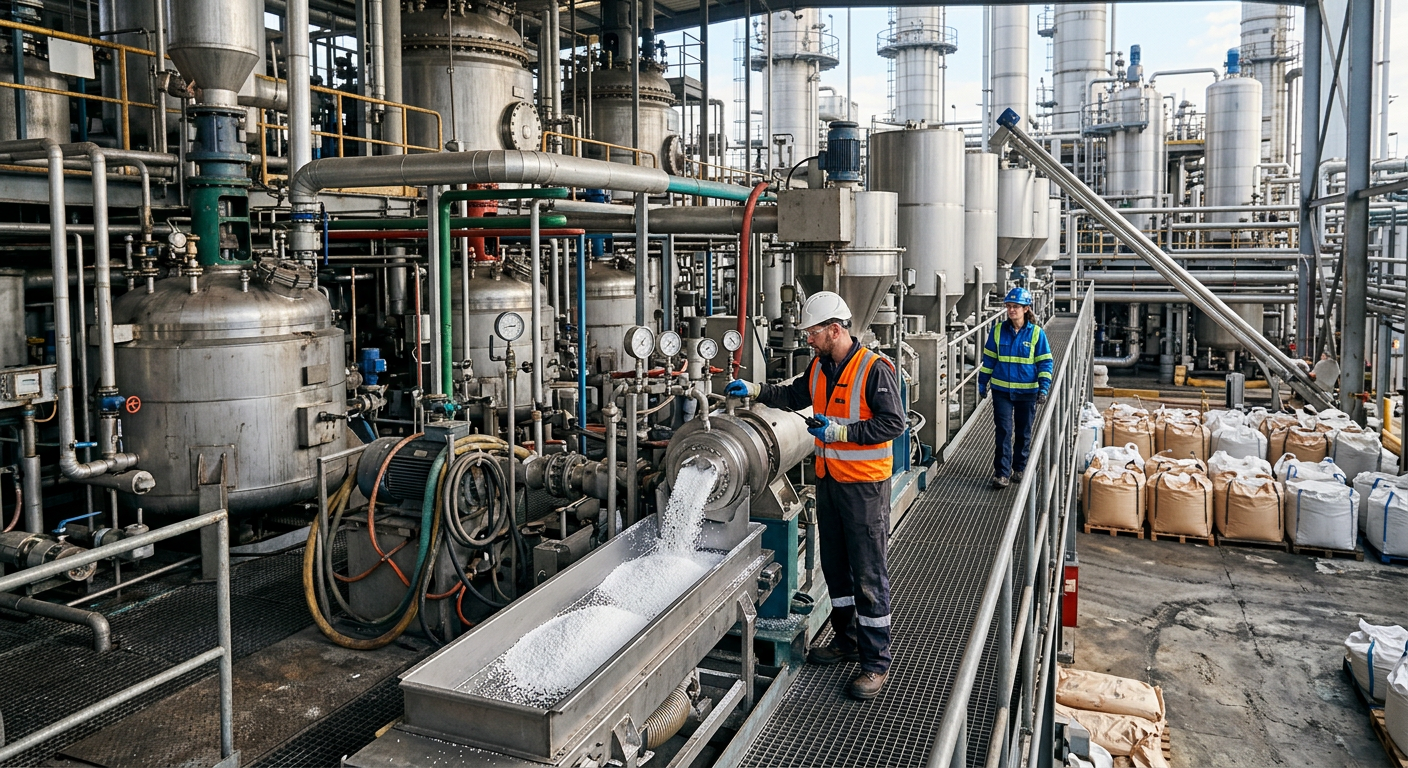
Steam crackers in South Korea and Japan consume massive volumes of Middle Eastern naphtha to produce basic olefins. These specific facilities lack the deep domestic refining integration required to buffer against sudden import shocks.
When the primary shipping lane closes, these operators must immediately cut their furnace throughput to conserve their remaining feedstock inventory. Running the furnaces at full capacity would drain their tanks dry within a matter of weeks.
This forced operational curtailment directly restricts the regional supply of ethylene and propylene. Downstream polymer producers quickly feel the squeeze as their primary raw material allocations shrink.
Indian chemical complexes face a similar squeeze because they rely heavily on imported liquefied petroleum gas from the Gulf. Propane dehydrogenation units in India immediately slash their operating rates when the physical tankers cannot discharge.
Naphtha and Liquefied Petroleum Gas Price Spikes
The physical shortage instantly triggers a frantic bidding war in the Asian spot market. Desperate buyers bid aggressively for any remaining compliant cargoes currently floating on the water outside the restricted zone.
This panic buying pushes the primary Asian naphtha benchmark to historic premiums over global crude oil equivalents. The crack spread widens violently as the refined product completely decouples from its raw material baseline.
Liquefied petroleum gas markets experience an even more severe price spike. The sudden absence of Gulf propane and butane forces Asian crackers to bid up alternative cargoes from the United States and West Africa.
Three specific market dynamics drive these extreme price rallies:
Physical scarcity: The sheer lack of available spot cargoes forces buyers to pay massive premiums to secure immediate delivery.
Freight spikes: Shipowners charge exorbitant hire rates to redirect vessels from distant loading ports to cover the sudden regional deficit.
Inventory drawdowns: Buyers drain their strategic reserves to keep plants running which removes the final buffer against future supply shocks.
Downstream Polymer Margin Squeezes and Force Majeure
The massive spike in upstream feedstock costs completely destroys the operating margins for basic polymer producers. Manufacturers of polyethylene and polypropylene must pay record prices for their raw materials while selling their finished resins into a soft consumer market.
This severe margin compression forces compounders and extruders to declare force majeure on their downstream delivery contracts. They simply cannot afford to produce and ship material at a massive financial loss.
Specialty chemical manufacturers also face severe allocation limits for their aromatic building blocks. Producers of benzene and toluene cut their output to preserve inventory for their highest margin contract customers.
Automotive and packaging converters face sudden supply starvation when their primary resin suppliers halt production. These downstream manufacturers must scramble to qualify alternative materials to keep their own assembly lines running.
Redirecting Global Trade Flows to Alternative Origins
Extreme price premiums in Northeast Asia immediately attract physical cargoes from distant export hubs. Global trading houses redirect vessels originally destined for Europe or the Americas to capture the massive arbitrage profit in the East.
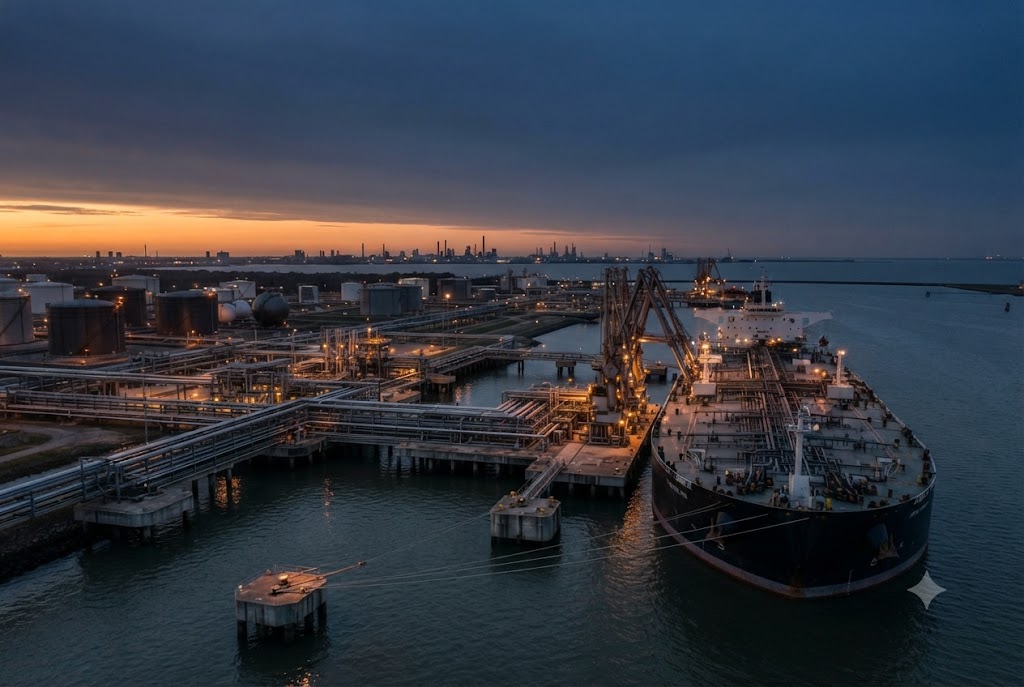
United States Gulf Coast exporters quickly load available spot volumes onto very large crude carriers. These massive vessels undertake the long voyage across the Atlantic to replace the missing Middle Eastern barrels.
European refiners also divert their regional surplus to the export market to capture the record high netback prices. This massive redirection of global trade flows takes several weeks to physically materialize at Asian discharge ports.
Asian discharge ports experience massive congestion as these distant relief cargoes arrive simultaneously. Terminal operators struggle to schedule the discharge arms efficiently which adds further delays to the physical delivery.
The Role of Chemical Traders in Bridging the Supply Gap
Chemical trading houses play a vital role in bridging the gap between stranded sellers and desperate buyers. These intermediaries leverage their global networks to locate hidden inventory in remote storage terminals.
Traders charter vessels on the spot market and assume the financial risk of moving material across unpredictable shipping lanes. Their willingness to take physical positions provides much needed liquidity to a frozen market.
They also structure complex back to back deals that allow buyers to secure volume without taking on the massive freight exposure. This financial intermediation keeps downstream plants running when direct contracts fail completely.
Trading desks employ dedicated compliance officers to verify certificates of origin for every single cargo. Buyers demand absolute proof that the feedstock did not transit through the restricted maritime zone.
Strategic Inventory Buffers and Contract Adjustments
Procurement teams must completely overhaul their purchasing strategies to survive these extreme geopolitical shocks. Relying on rigid fixed price contracts leaves buyers completely exposed when physical supply routes face sudden closures.
Smart purchasing teams utilize formula based pricing that links their final purchase price directly to published global crude benchmarks. This mechanism ensures their feedstock costs move in tandem with the broader energy complex.
Financial hedging instruments also play a crucial role in managing this extreme volatility. Purchasing teams buy over the counter swaps to lock in their maximum feedstock costs months before the physical cargoes actually discharge.
Building strategic inventory buffers provides the ultimate protection against sudden transit disruptions. Maintaining deep physical reserves at local tank farms gives procurement managers crucial weeks to secure alternative origins.
What Procurement Teams Should Do Now
The current market environment demands aggressive and proactive supply chain management. Procurement leaders must immediately audit their physical inventory levels and compare them against their projected consumption rates for the next ninety days.
Identify any critical gaps where a sudden supply disruption could force your downstream plants to curtail production. Secure backup spot volumes from alternative geographical origins to bridge these immediate physical shortfalls.
Engage directly with your primary suppliers to understand their exact force majeure status and their projected recovery timelines. Clear communication prevents unexpected production halts and allows you to adjust your manufacturing schedules accordingly.
Test alternative feedstock blends in your laboratory to reduce your overall reliance on this specific refined grade. Substituting a portion of your raw material diet with lighter domestic gases provides a crucial buffer against future transit shocks.
Ready to source naphtha from verified global suppliers? Explore competitive offers on our platform today.

Styrene Monomer
Found this useful?