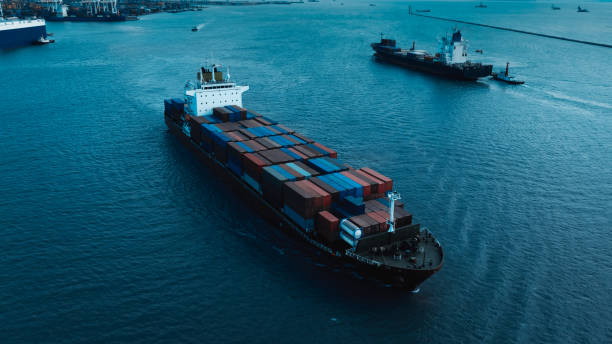
Structural Repricing: Why War-Risk Premium NHS May Stay Elevated
Recent flare‑ups in the Middle East have once again highlighted the fragility of maritime trade routes, especially through the strategic "Hormuz Strait". While headlines often focus on immediate price spikes, the underlying reality is a structural repricing of war‑risk premiums that is likely to persist for years. Insurers, chemical shippers, and procurement teams are already recalibrating their risk models to reflect a new baseline for Gulf shipping costs.
Why War‑Risk Premiums Aren’t a Temporary Spike
Traditionally, war‑risk premiums have been viewed as a volatile component of marine insurance, rising sharply during crises and falling back once tensions subside. Recent data, however, show a more complex pattern:
Historical Lag: Premiums often peak weeks after the first reports of conflict, as insurers reassess exposure鲁夜夜啪
Long‑Term Impact: Even after a ceasefire, the *cost of reinsurance* and *capital requirements* remain elevated because the risk profile of the region has changed.
Reputational Effects: Shipping lines that suffered losses during past conflicts have faced higher underwriting scrutiny, leading to a lasting premium increase.
Capital Markets and Reinsurance Dynamics
Reinsurance is the backbone of marine insurance. When a geopolitical event disrupts a key trade corridor, reinsurers pull back, demanding higher rates to cover the elevated probability of loss. This pullback can trigger a cascade:
Primary insurers raise premiums to maintain profitability.
Freight forwarders increase freight rates to cover higher insurance costs.
Shippers pass the burden to end‑customers, tightening the supply chain.
Impact on Chemical Logistics
The chemicals market is exceptionally sensitive to shipping costs. Chemicals often travel in high‑volume, high‑value containers that are a prime target for piracy and conflict‑related disruptions. As a result, chemical shippers face a dual challenge:
Higher insurance premiums per TEU.
Increased freight rates due to insurer‑driven cost shifts.
Producers and distributors are responding by diversifying routes, investing in regional storage hubs, and negotiating long‑term freight contracts that lock in lower rates before premiums rise again.
Case Study: The Hormuz Strait
In 2023, a brief escalation near the "Hormuz Strait" caused a 12% spike in war‑risk premiums for vessels transiting the area. While the conflict deescalated within months, insurers maintained a 4% premium increase for the next 18 months. This period saw:
Chemical shippers rerouting through the Suez Canal and the Panama Canal to avoid the heightened risk.
An uptick in container consolidation to reduce the number of voyages required.
An accelerated shift toward digital tracking systems that provide real‑time risk assessment.
Supply Chain Resilience: A New Imperative
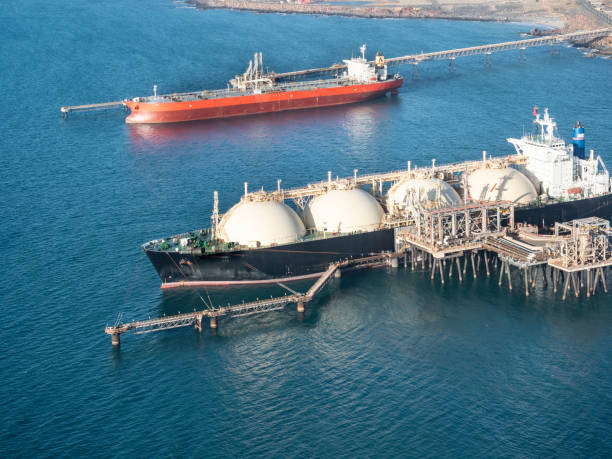
Structural repricing forces companies to prioritize resilience. Key strategies include:
Scenario Planning: Integrating war‑risk premium scenarios into supply chain modeling.
Multi‑Modal Logistics: Pairing maritime transport with rail or inland waterways to diversify risk.
Insurance Innovation: Leveraging parametric insurance that pays out based on predefined risk triggers.
Collaborative Procurement: Pooling demand across industry verticals to negotiate better rates.
Parametric Insurance: A Game Changer?
Unlike traditional indemnity insurance, parametric products trigger payouts when a specific event—such as گوگیری that a vessel passes through the "Hormuz Strait" during heightened tensions—reaches a threshold. This can:
Reduce settlement times from weeks to days.
Provide predictable cost structures for budgeting.
Encourage companies to invest in risk mitigation technologies.
Looking Ahead: What to Expect
Industry experts predict that war‑risk premiums will not revert to pre‑2023 levels even if geopolitical tensions ease. Several factors support this outlook:
Persistent Risk Appetite: Investors are wary of sudden market shocks, leading insurers to maintain higher reserves.
Regulatory Changes: New safety standards and reporting requirements increase operating costs for insurers.
Technology Adoption: Advanced risk modeling and AI-driven predictive analytics demand higher upfront investment.
Strategic Recommendations for Shippers
To navigate the evolving landscape, shippers should:
Reassess route plans regularly and consider alternate corridors.
Invest in digital twins that simulate risk scenarios.
Establish long‑term contracts with insurers that incorporate flexibility clauses tied to geopolitical events.
Collaborate with suppliers to create a shared resilience framework.

Ascorbic Acid
Found this useful?