Substances of Concern: What ECHA's December 2026 Packaging Report Means for Chemical Suppliers and Buyers
The European packaging sector faces another important regulatory milestone as the December 2026 ECHA packaging report approaches. By 31 December 2026, the European Commission, supported by the European Chemicals Agency (ECHA), will assess substances of concern found in packaging and packaging components and evaluate their impact on reuse and recycling. The findings could influence future restrictions under REACH, making this report highly relevant for chemical manufacturers, exporters and procurement professionals supplying the European market.
Although the report itself does not introduce new restrictions, it may shape the next phase of European chemical regulation. Companies that understand the potential direction early can strengthen sourcing strategies, reduce compliance risks and position themselves more competitively in international trade.
Why the December 2026 Packaging Report Matters
The packaging industry increasingly supports circular economy goals where materials remain in productive use for as long as possible. Chemicals that interfere with recycling processes or reduce the quality of recycled materials have become a growing focus for regulators.
The Commission has tasked ECHA with examining substances of concern across packaging materials and components. The assessment will consider whether certain chemicals affect:
Packaging reuse by reducing durability or introducing safety concerns over multiple use cycles.
Recycling efficiency by contaminating recycling streams or lowering the quality of recovered materials.
The long term availability of safe recycled materials for industrial and consumer applications.
The outcome could influence future amendments to REACH and other chemical management policies throughout the European Union.
What Are Substances of Concern in Packaging?
Substances of concern include chemicals that may create environmental, health or recycling challenges throughout a package's lifecycle.
Depending on the packaging application, these substances may be present in:
Plastic additives that improve flexibility, durability or processing performance.
Adhesives and coatings used during package manufacturing.
Printing inks and pigments applied to labels and packaging surfaces.
Stabilizers, flame retardants and other functional additives incorporated into packaging materials.
The report aims to identify which substances create the greatest barriers to high quality recycling and circular material flows.
The Connection Between Packaging and REACH
The relationship between packaging regulation and REACH continues to strengthen as Europe expands its sustainability objectives.
If ECHA concludes that specific substances significantly interfere with safe reuse or efficient recycling, the European Commission may consider additional regulatory measures. These could include:
New restrictions on particular chemicals used in packaging production.
Expanded reporting requirements throughout supply chains.
Increased obligations for manufacturers importing packaging materials into Europe.
Stronger documentation requirements demonstrating regulatory compliance.
While any future restrictions would require additional legislative steps, businesses should begin monitoring substances that may receive greater regulatory attention.
Procurement Risks for Chemical Buyers
Procurement teams should view the report as more than a compliance exercise. It represents a strategic supply chain issue that may affect sourcing decisions across multiple industries.
Buyers should pay particular attention to:
Suppliers that maintain detailed chemical composition records for packaging materials. Better documentation often translates into smoother compliance when regulations evolve.
Packaging manufacturers investing in recyclable formulations and safer additive technologies. These suppliers may adapt more quickly to future regulatory changes.
Contract flexibility. Long term purchasing agreements should allow room for formulation updates if restrictions emerge after the report.
Companies sourcing packaging globally should also verify that overseas suppliers understand European chemical requirements rather than relying solely on domestic regulations.

Which Industries Could Feel the Greatest Impact?
The assessment extends beyond packaging manufacturers alone. Many downstream sectors rely heavily on packaging materials that contain specialty chemicals.
Industries likely to monitor the report closely include:
Food and beverage manufacturers that require packaging meeting strict safety and recycling standards.
Pharmaceutical companies where packaging quality directly supports product integrity.
Beauty and personal care brands using complex multilayer packaging and decorative finishes.
Consumer goods manufacturers seeking packaging that balances appearance, performance and sustainability.
Industrial chemical exporters supplying containers, drums and intermediate bulk packaging.
Each sector may need to reassess supplier qualifications if regulatory expectations change after the report.
Supply Chain Transparency Becomes More Valuable
Chemical buyers increasingly request detailed information about ingredients, additives and manufacturing practices. The December 2026 report reinforces this trend.
Suppliers with transparent documentation can often respond more quickly to customer audits and regulatory inquiries. This includes:
Complete material declarations.
Reliable traceability across production batches.
Updated technical data sheets.
Evidence supporting chemical compliance throughout the supply chain.
Transparency is becoming a competitive advantage rather than simply a regulatory obligation.
Sustainability and Circular Economy Goals
Europe's packaging strategy aims to improve material recovery while reducing waste generation. Achieving these goals requires packaging materials that remain safe throughout multiple recycling cycles.
Chemicals that contaminate recycled polymers or reduce recycled material quality create challenges for both recyclers and manufacturers. As recycling capacity expands across Europe, regulators increasingly examine how chemical composition affects circularity.
This broader perspective means procurement decisions now influence not only product performance but also downstream recycling efficiency.
How Global Exporters Should Prepare
Suppliers outside the European Union should closely follow developments because European buyers often update procurement requirements well before formal regulations take effect.
Several practical actions can reduce future disruption:
Review existing packaging formulations for substances that may receive increased regulatory scrutiny.
Strengthen communication between raw material suppliers, packaging manufacturers and customers.
Keep compliance documentation updated and readily available for buyers.
Monitor customer requests for additional chemical disclosures as procurement standards evolve.
Early preparation helps exporters maintain uninterrupted market access while building stronger customer relationships.
What Buyers Should Do Now
The December 2026 ECHA report represents another important step in Europe's transition toward safer and more recyclable packaging systems. While immediate restrictions are not part of the report itself, its findings could influence future REACH decisions that reshape packaging chemistry across numerous industries.
Procurement teams should begin evaluating supplier transparency, chemical documentation and formulation resilience today rather than waiting for regulatory changes. Companies that invest early in compliant materials and collaborative supplier relationships will likely face fewer disruptions as European packaging requirements continue to evolve.
Ready to source substances of concern compliant packaging chemicals from verified global suppliers? Explore competitive offers on our platform today.
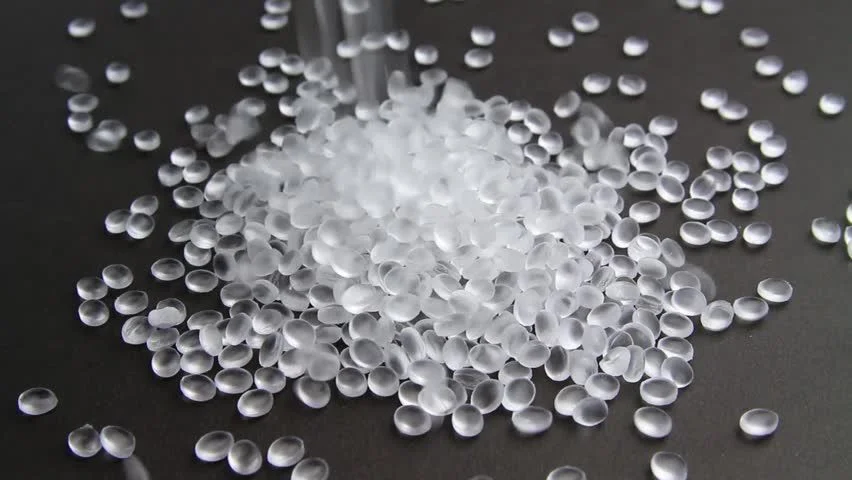
Polyethylene Terephthalate (PET)
Found this useful?