The ongoing Hormuz crisis has highlighted the vulnerability of global industrial supply chains far beyond crude oil and natural gas. Alongside energy markets, key industrial commodities including sulfur, aluminum, methanol and graphite have experienced disruption, creating new challenges for chemical manufacturers that depend on reliable raw material availability.
For procurement professionals, these materials represent essential building blocks rather than interchangeable commodities. Any interruption in their supply can affect production schedules, manufacturing costs and downstream chemical availability across multiple industries.
Why Sulfur Is Critical to Chemical Manufacturing
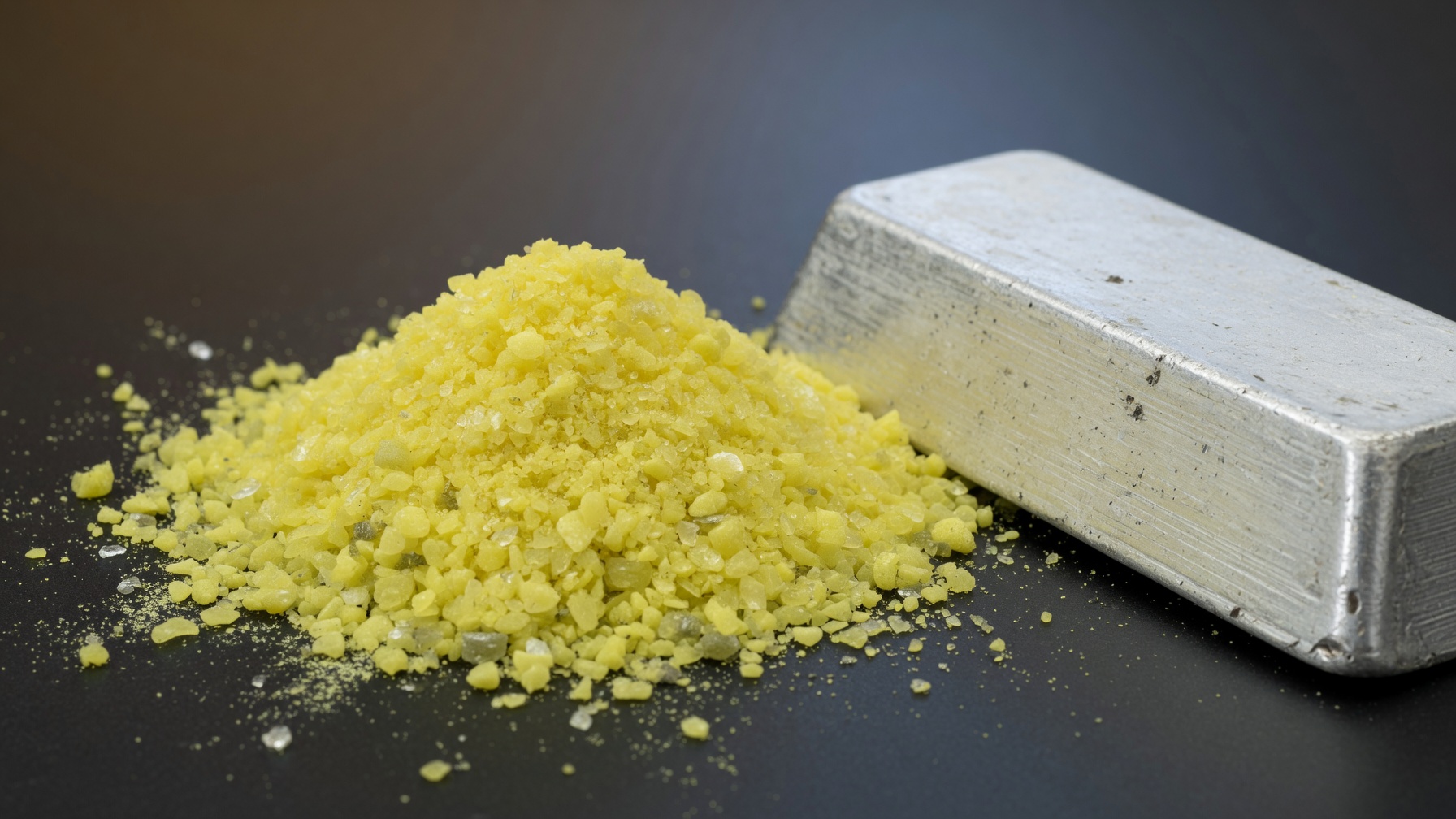
Sulfur is one of the most important industrial raw materials in the global chemical sector. It supports the production of sulfuric acid, one of the world's highest volume industrial chemicals, which is used across numerous manufacturing processes.
Major applications include:
Fertilizer manufacturing.
Metal processing and mineral extraction.
Water treatment chemicals.
Industrial cleaning formulations.
Chemical synthesis for numerous downstream products.
Because sulfur is linked to many industrial value chains, supply disruptions can quickly spread into multiple sectors.
Aluminum Supports More Than Manufacturing
Although aluminum is often associated with construction and transportation, it also plays an important role in chemical processing infrastructure.
The material is widely used in:
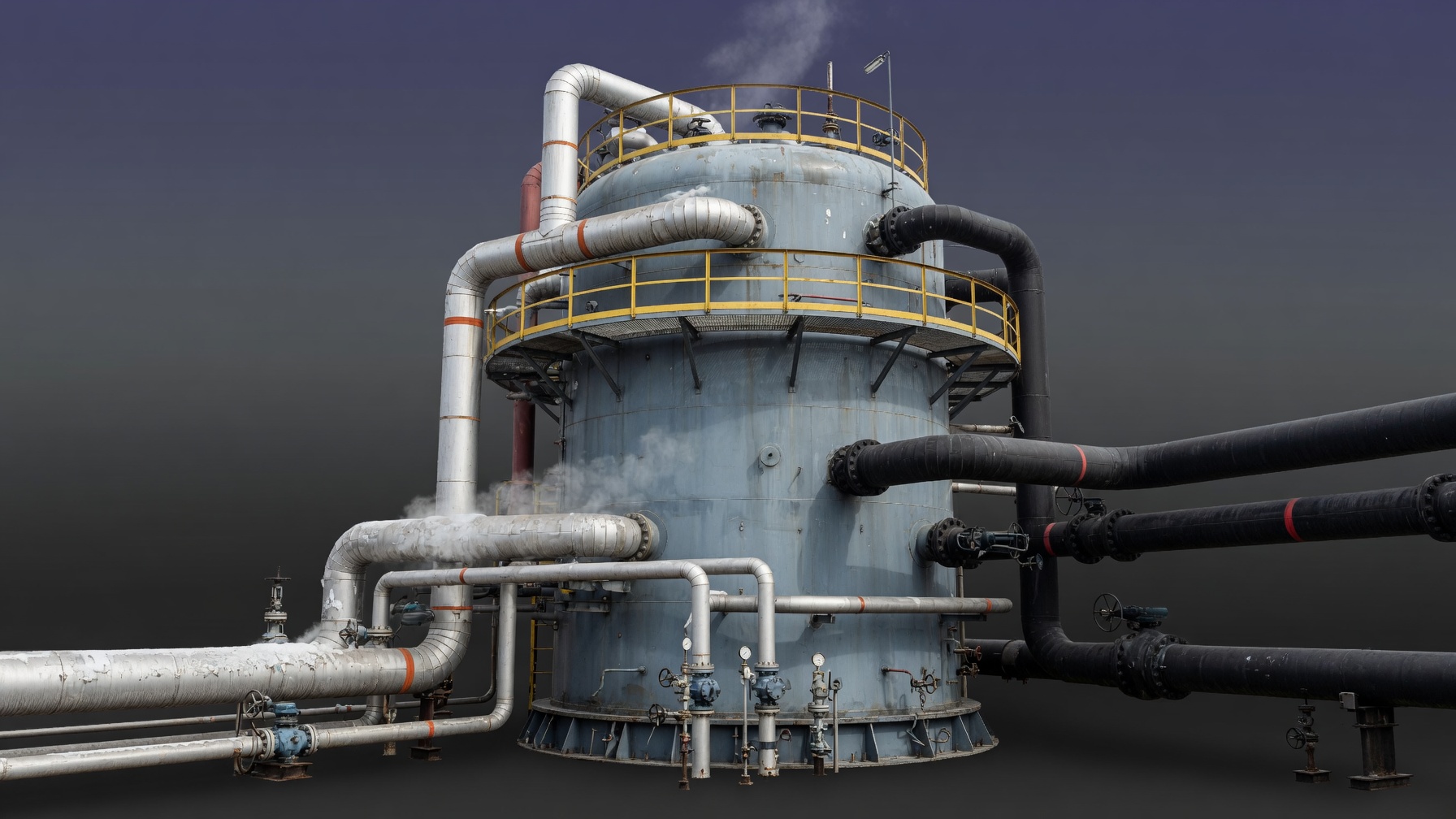
Chemical processing equipment.
Storage vessels.
Industrial piping systems.
Packaging for specialty chemicals.
Heat exchange systems.
Supply disruptions affecting aluminum can increase equipment costs and delay maintenance or expansion projects at manufacturing facilities.
Other Industrial Commodities Face Similar Pressure
The current disruption has also affected several additional materials that support chemical production.
These include:
Methanol for solvents, resins and chemical intermediates.
Graphite used in industrial processing and advanced manufacturing.
Together with sulfur and aluminum, these materials form part of the wider industrial supply chain supporting chemical production around the world.
Procurement teams should therefore monitor multiple commodity markets rather than focusing exclusively on energy prices.
Why the Hormuz Crisis Matters Beyond Oil
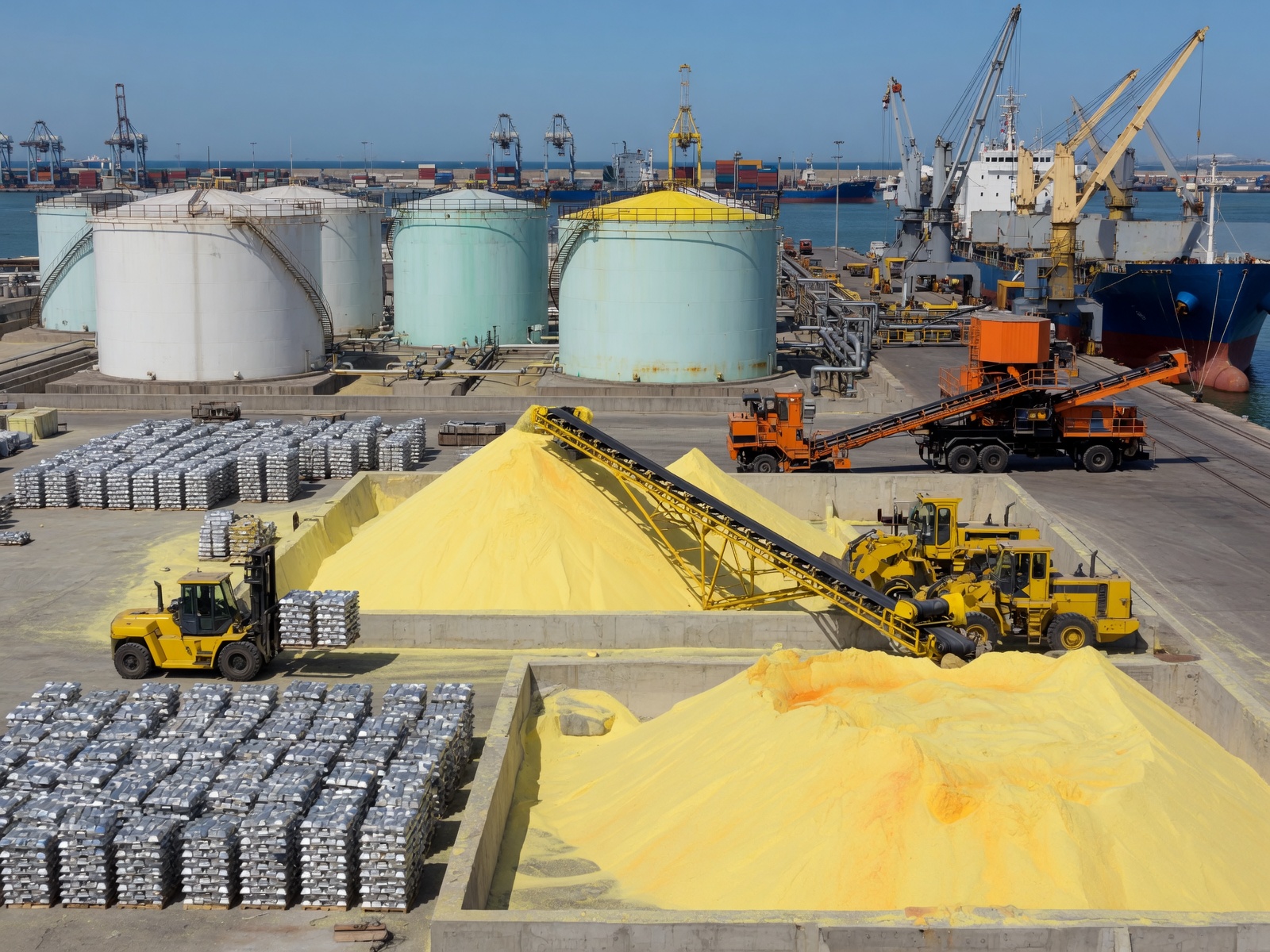
The Strait of Hormuz remains one of the world's most strategically important shipping corridors. When maritime disruption occurs, many industrial commodities experience logistical pressure alongside crude oil shipments.
Potential consequences include:
Longer transportation times.
Higher marine freight costs.
Reduced shipping availability.
Inventory shortages at importing markets.
Greater price volatility across industrial raw materials.
These pressures can affect both commodity chemicals and higher value specialty products that depend on uninterrupted access to key feedstocks.
Procurement Teams Should Review Critical Raw Material Exposure
Periods of geopolitical uncertainty require procurement departments to strengthen supply chain visibility.
Priority actions include:
Identifying suppliers dependent on Hormuz shipping routes.
Reviewing inventory coverage for sulfur and other strategic commodities.
Confirming supplier production schedules.
Assessing qualified alternative supply regions.
Monitoring freight developments alongside commodity pricing.
Early planning helps reduce the likelihood of production interruptions if supply conditions deteriorate.
Diversification Has Become a Strategic Requirement
Recent events reinforce the importance of supplier diversification for industrial commodities.
Companies relying heavily on a single export region may experience greater operational risk when geopolitical events disrupt transportation or production. Building relationships with suppliers across multiple regions improves sourcing flexibility and reduces dependence on one logistics corridor.
Diversification also strengthens business continuity planning by providing alternative procurement options during periods of market volatility.
What Buyers Should Do Now
The Hormuz crisis demonstrates that industrial supply chain risk extends well beyond oil markets. Sulfur, aluminum, methanol and graphite all play essential roles in chemical manufacturing, making their availability a priority for procurement teams managing production continuity.
Organizations should review supplier exposure, strengthen inventory planning and diversify sourcing wherever practical. Companies that monitor critical industrial commodities alongside energy markets will be better positioned to maintain reliable operations as global supply conditions continue to evolve.
Ready to source sulphur from verified global suppliers? Explore competitive offers on our platform today.