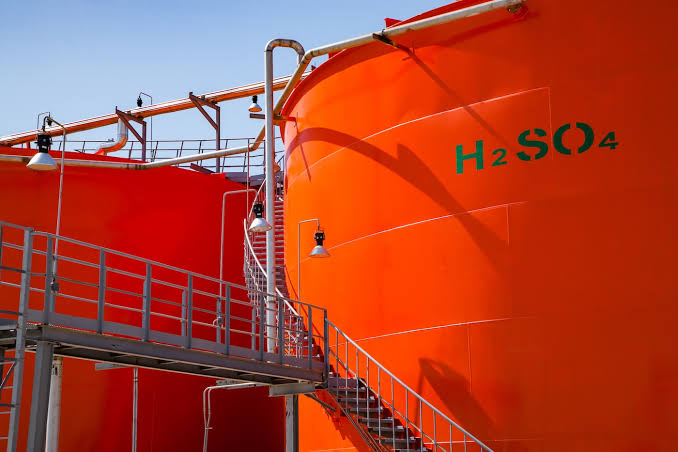
Sulfuric Acid Prices Strengthen Titanium Dioxide Cost Support in 2026
Sulfuric acid became a critical cost signal for titanium dioxide producers in March 2026 as rising acid prices strengthened the economics behind TiO2 pricing. For procurement teams, the relationship matters because sulfuric acid is a major input in the sulfate production route used to manufacture titanium dioxide.
The development adds another layer to an already sensitive TiO2 market. When the cost of sulfuric acid rises, producers face higher conversion expenses, which can place upward pressure on titanium dioxide prices and change purchasing strategies for coatings, plastics, paper and other downstream industries.
Why Sulfuric Acid Matters to Titanium Dioxide Production
Titanium dioxide, commonly known as TiO2, is a high-volume white pigment used across multiple manufacturing sectors. Its strong opacity, brightness and light-scattering performance make it important for paints, coatings, plastics, paper and several specialty applications.
The sulfate process relies heavily on sulfuric acid to break down titanium-bearing raw materials and create an intermediate material that can eventually become titanium dioxide pigment. This makes acid economics an important part of the overall production-cost structure.
When sulfuric acid prices increase, producers cannot treat the movement as an isolated raw material issue. Higher acid costs can affect margins, production economics and the price levels manufacturers need to maintain commercially viable operations.
March 2026 Brings Stronger Cost Support for TiO2
The key market signal in March 2026 was the rise in sulfuric acid prices and its impact on titanium dioxide production costs. Higher acid costs gave producers stronger justification for maintaining firm TiO2 pricing.
This creates what buyers can view as a cost floor. The floor does not mean titanium dioxide prices must move upward by the same percentage as sulfuric acid, but it can reduce the ability of producers to lower pigment prices when other market conditions remain firm.
For buyers, this distinction is important. TiO2 pricing depends on more than one raw material, so procurement teams need to monitor acid prices alongside demand, plant utilization, feedstock availability, freight and regional supply conditions.
The Sulfate Route Creates a Direct Cost Link
Titanium dioxide production involves several stages, from processing titanium-bearing feedstock through chemical treatment and purification to final pigment production. In the sulfate route, sulfuric acid plays a central role during the processing stage.
That creates a direct relationship between acid economics and pigment production costs. When acid becomes more expensive, the additional expense enters the producer's cost structure before the finished TiO2 reaches downstream customers.
Several factors determine how strongly the change affects individual producers:
Production technology: Producers using the sulfate route have a more direct exposure to sulfuric acid costs than producers relying on alternative processing routes.
Feedstock economics: Titanium-bearing raw material prices also influence the final production cost.
Energy consumption: Utilities and energy costs can amplify or offset movements in chemical feedstock expenses.
Plant efficiency: Efficient plants may absorb part of a cost increase more effectively than higher-cost operations.
Regional supply: Local sulfuric acid availability and logistics can create different cost pressures across markets.

How Higher Acid Costs Affect Titanium Dioxide Buyers
For downstream manufacturers, the most important issue is not sulfuric acid itself but its influence on the landed cost of titanium dioxide. A producer facing higher conversion expenses may seek to preserve margins through firmer pigment offers.
This can influence purchasing decisions for industries that consume TiO2 in significant volumes. Paint and coating manufacturers, plastic compounders and paper producers often need predictable pigment costs because TiO2 can represent an important portion of formulation expenses.
Procurement teams should therefore avoid evaluating a TiO2 offer only against the previous purchase price. A better approach considers the direction of major production inputs and the likelihood that producers will maintain price discipline.
A rising sulfuric acid market can signal that lower TiO2 offers may become harder to secure, particularly when demand remains stable or inventories tighten.
Titanium Dioxide Demand Keeps the Cost Signal Relevant
Raw material costs matter most when producers have enough market support to pass part of those costs downstream. If demand is weak, manufacturers may absorb some increases to protect volumes or market share.
When demand conditions are healthier, however, higher input costs can reinforce an existing upward price trend. Producers gain more room to defend their offers because buyers still need pigment for ongoing production.
This makes the sulfuric acid signal particularly useful when combined with other market indicators:
TiO2 operating rates and plant availability
Regional inventory levels
Coatings and construction activity
Plastics manufacturing demand
Paper industry consumption
Titanium feedstock prices
Energy and freight costs
Together, these factors provide a clearer picture of whether higher sulfuric acid prices are likely to create temporary pressure or sustained support for TiO2 pricing.
Regional Procurement Strategies Need More Flexibility
The impact of sulfuric acid costs can differ between markets because producers do not operate under identical cost structures. Local acid supply, transportation expenses, feedstock availability and manufacturing technology all influence the final economics.
Importers should pay particular attention to the difference between the producer's price and the landed cost. A competitive factory offer can lose its advantage once freight, insurance, port charges and other logistics expenses enter the calculation.
For international buyers, a practical sourcing strategy can include:
Track input-cost direction rather than isolated prices. Monitoring sulfuric acid trends can help buyers anticipate changes in producer pricing.
Compare multiple origins. Different production regions can have different exposure to acid and energy costs.
Review contract timing. Longer purchasing commitments may provide supply security but can also lock buyers into higher prices during a declining market.
Maintain supplier alternatives. A diversified supplier base gives procurement teams greater flexibility when one producer raises offers.
Watch delivered economics. The cheapest quoted TiO2 price is not always the cheapest procurement option after logistics.
What the Cost Floor Means for TiO2 Pricing
A cost floor does not establish a fixed market price. Instead, it creates a level below which producers may face increasing pressure on profitability.
Sulfuric acid therefore functions as one of several indicators that can help explain why titanium dioxide prices remain firm even when downstream buyers push for lower offers. If acid prices remain elevated, producers may have less incentive to compete aggressively through price reductions.
The effect becomes stronger when multiple cost components move in the same direction. Higher sulfuric acid, feedstock, energy and logistics expenses can collectively reinforce producer pricing discipline.
For buyers, this means a falling TiO2 quotation should not automatically be interpreted as the start of a broad price decline. Procurement teams need to distinguish between temporary supplier discounts and a genuine reduction in the underlying production-cost base.
Procurement Priorities for the Titanium Dioxide Market
The March 2026 cost signal gives buyers a useful framework for monitoring the TiO2 market through the remainder of the year. Sulfuric acid should sit alongside titanium feedstock, energy, freight and downstream demand in regular procurement reviews.
Buyers can improve purchasing decisions by focusing on three areas:
Cost visibility: Follow major raw materials that directly influence producer economics.
Supplier diversification: Maintain relationships across different origins to reduce exposure to regional cost shocks.
Timing: Evaluate whether current offers reflect temporary market pressure or a broader change in production economics.
This approach can help procurement teams negotiate with a clearer understanding of why producers are holding prices at particular levels.
What Buyers Should Do Now
Sulfuric acid has become an important cost indicator for titanium dioxide pricing, with rising acid prices providing stronger cost support to TiO2 in March 2026. The connection is especially relevant for buyers exposed to products manufactured through the sulfate route.
Procurement teams should monitor sulfuric acid alongside titanium feedstock, energy, freight and downstream demand rather than treating TiO2 pricing as an isolated market. A broader cost view can improve negotiation timing, supplier comparisons and purchasing forecasts.
For importers and industrial buyers, the priority is to secure reliable supply while understanding the cost factors behind each offer. Tracking the sulfuric acid market can provide an early signal when titanium dioxide producers face renewed pressure to defend pricing.
Titanium Dioxide
Found this useful?