Synthetic Dye Bans in the US: What Red 40 and Yellow 5 Sourcing Means for Food Manufacturers
US food manufacturers are entering a major transition period as pressure against petroleum-based synthetic food colors expands across federal policy, state legislation and corporate reformulation programs. Red 40 and Yellow 5 remain important commercial colors, but procurement teams can no longer treat their availability and regulatory status as a static sourcing issue.
The FDA has identified Red 40 and Yellow 5 among six remaining petroleum-based certified colors targeted for elimination from the US food supply by the end of 2027. For manufacturers selling across multiple states, the challenge extends beyond finding replacement ingredients. It involves managing specifications, qualification, inventories, supplier continuity and product reformulation at the same time.
Why Synthetic Food Dyes Are Becoming a Procurement Issue
Food color procurement traditionally focused on consistency, shade strength, purity, regulatory compliance and landed cost. The expanding restrictions add another variable: where a finished product can legally or commercially be sold with a particular color system.
Red 40 and Yellow 5 remain listed among FDA-approved color additives for food use, subject to applicable requirements. However, the regulatory direction is increasingly encouraging manufacturers to move toward alternatives.
The FDA announced a national initiative in 2025 targeting six petroleum-based certified colors, including Red 40 and Yellow 5, with a transition goal extending through 2027. That creates a procurement window, but it also increases competition for suitable replacement colors.
State-Level Restrictions Are Creating a More Complex Market
The phrase state-by-state regulation matters because manufacturers rarely operate their supply chains around one state alone. A food producer may manufacture nationally, distribute through multiple regions and use one formulation across a broad retail network.
West Virginia provides a clear example of the direction of travel. Its Feed to Achieve Act prohibits Red Dye No. 40, Yellow Dye No. 5 and several other listed dyes as ingredients in meals served through school nutrition programs, effective August 1, 2025.
For procurement teams, this creates several practical questions:
Will one formulation remain commercially viable across all target states? A company may choose to remove a synthetic color nationally rather than maintain separate formulas for different markets.
Can an alternative deliver the same visual performance? Natural colors can behave differently depending on pH, heat, light exposure and the food matrix.
Can suppliers maintain consistent specifications? Reformulation creates demand for new ingredients, making supplier qualification and continuity increasingly important.
Will customer requirements move faster than legal requirements? Retailers, foodservice operators and institutional buyers may impose restrictions before a broader statutory prohibition takes effect.
Federal Policy Is Accelerating the Shift Away From Red 40 and Yellow 5
State restrictions are only one part of the market change. The FDA has also placed Red 40 and Yellow 5 among the food ingredients under risk-management review and continues to support the transition toward alternative colors.
The regulatory environment is also expanding the commercial case for naturally derived color systems. In February 2026, the FDA announced enforcement discretion related to certain voluntary "no artificial colors" labeling claims and highlighted the transition toward colors derived from natural sources.
The FDA has also taken steps to expand available natural color options, including actions involving beetroot red and spirulina extract. This matters to buyers because successful substitution depends not only on regulatory acceptance but also on whether commercially scalable alternatives are available in the required grades and volumes.

What Red 40 and Yellow 5 Users Should Reassess
Manufacturers that continue using Red 40 or Yellow 5 need to view procurement as a transition-management exercise rather than a simple ingredient purchase.
A strong sourcing review should cover:
Current inventory exposure. Determine how much existing dye stock remains, which products use it and how long that inventory can support production.
Supplier concentration. Identify whether one supplier, origin or production region represents a critical dependency. A transition period can expose vulnerabilities when multiple manufacturers seek replacement colors simultaneously.
Product specifications. Review color intensity, dosage, dispersion, stability and compatibility requirements before selecting a replacement.
Qualification timelines. Alternative colors may require laboratory testing, pilot production, sensory evaluation, shelf-life assessment and customer approval before commercial use.
Contract flexibility. Procurement teams should review minimum order quantities, lead times, price-adjustment mechanisms and cancellation terms for both existing dyes and replacement ingredients.
These checks become particularly important when manufacturers sell through several channels. A color solution that works for a confectionery product may not perform identically in beverages, bakery products, sauces or dairy applications.
Natural Color Substitution Changes the Sourcing Equation
Replacing synthetic dyes does not simply mean finding another red or yellow powder. The replacement must fit the technical requirements of the finished product.
Natural color systems can introduce different considerations around stability and processing. Factors such as acidity, temperature, oxidation, light exposure and packaging can affect final color performance.
This makes supplier evaluation more technical. Buyers should request detailed documentation covering:
Product specifications and certificate of analysis requirements
Recommended application ranges and dosage guidance
Stability information for the intended food matrix
Regulatory and food-grade documentation
Country of origin and manufacturing location
Packaging configuration and shelf life
Available production capacity and normal lead times
Sample availability for formulation trials
The cheapest alternative may not deliver the lowest total cost. If a replacement requires higher dosage, additional processing controls or packaging changes, the apparent ingredient saving can disappear quickly.
Corporate Reformulation Is Increasing Demand for Alternatives
Commercial pressure may become as important as formal legislation. The FDA's industry tracker shows major food companies and retailers making commitments to remove certified synthetic colors, with several targeting completion during 2026 or 2027.
That creates a demand signal for alternative food colors even where a specific state law does not directly prohibit Red 40 or Yellow 5 in every food category.
For chemical traders and ingredient distributors, the opportunity lies in anticipating this demand rather than waiting for manufacturers to issue urgent requests. Suppliers that can offer reliable specifications, technical documentation and consistent volumes may become more valuable as reformulation programs expand.
Procurement teams should also expect more requests for samples and smaller trial quantities before customers commit to larger commercial volumes. This can change the preferred supplier profile from a pure commodity distributor to a technically responsive ingredient partner.
How Buyers Can Reduce Reformulation Supply Risk
A proactive purchasing strategy can reduce the disruption caused by a fast-moving color transition.
First, classify products by exposure. High-volume products using Red 40 or Yellow 5 should receive priority over low-volume products with limited commercial exposure.
Second, build an alternative-color pipeline before existing inventory becomes critical. Buyers should qualify more than one technically suitable option wherever practical.
Third, separate legal compliance from commercial acceptance. A color may satisfy regulatory requirements but still fail a retailer specification, customer standard or internal clean-label policy.
Fourth, evaluate suppliers beyond quoted price. Production capacity, documentation quality, response times, technical support and consistency can become decisive during a large-scale reformulation cycle.
Finally, maintain realistic transition inventories. Carrying excessive stocks of a color facing declining demand can create stranded inventory, while carrying too little can leave production exposed to sudden shortages.
What the 2027 Market Could Look Like
The FDA's stated objective is to work with industry toward eliminating the six remaining petroleum-based certified colors, including Red 40 and Yellow 5, from the US food supply by the end of 2027.
That timeline gives manufacturers a defined planning horizon. It also means procurement decisions made in 2026 can influence production continuity well before the transition deadline.
The market is likely to become more segmented. Large food companies may accelerate national reformulation, while smaller manufacturers could continue purchasing synthetic colors for products or markets where they remain commercially viable.
For traders, this can produce two simultaneous markets: declining demand for some synthetic colors and growing demand for natural alternatives, formulation support and specialized color systems.
The key sourcing advantage will come from understanding where each customer sits within that transition. A manufacturer starting laboratory trials has different requirements from one preparing for a national product relaunch.
The Bottom Line for Procurement Teams
Synthetic dye restrictions are turning food color procurement into a broader strategic issue. Red 40 and Yellow 5 should now be assessed not only for current availability and price but also for regulatory direction, customer expectations and the cost of future reformulation.
Manufacturers can reduce disruption by mapping affected products, qualifying alternatives early, diversifying suppliers and securing technical documentation before replacement demand peaks. Chemical traders can support this transition by offering dependable sourcing, application-specific options and transparent supply information.
The companies that act early can manage reformulation on their own timetable instead of reacting to regulatory deadlines or sudden customer requirements. Ready to source Red 40 from verified global suppliers? Explore competitive offers on our platform today.
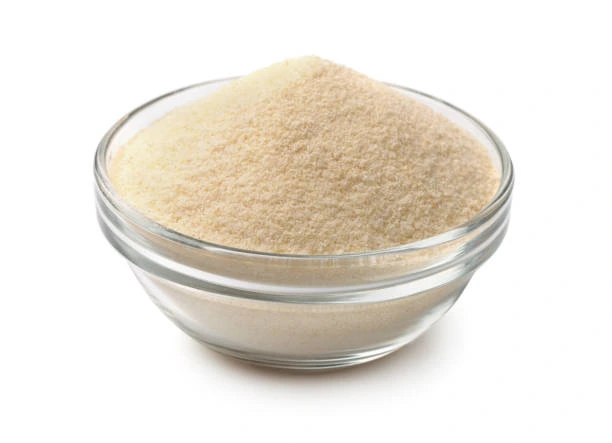
Pectin (E440)
Found this useful?