Tanfac Signs Multi-Year Fluorinated Products Contract With Blue Star
Tanfac Signs Multi-Year Fluorinated Products Contract With Blue Star
Tanfac Industries has signed a long-term supply agreement with Blue Star Limited for fluorinated products, with deliveries set to begin in January 2027. The deal was signed in April 2026 and carries an estimated annual value of 61 crore rupees. For a fluorochemical producer expanding aggressively into refrigerant-related products, the timing lines up closely with Tanfac's broader capacity build-out.
Details of the Blue Star Agreement
The agreement covers the supply of a key fluorinated product to Blue Star, one of India's leading players in air conditioning and commercial refrigeration equipment. Under the terms disclosed by the company, Tanfac will supply the product according to mutually agreed specifications, with the framework structured for long-term, sustained supply.
Notably, the contract has an indefinite duration rather than a fixed term, though it includes a mutual termination clause that gives both companies flexibility. The domestic agreement does not involve any related party transactions, and it was disclosed under standard SEBI listing regulations following the signing.
This is not Tanfac's first major supply commitment of the year. The Blue Star deal follows a seven-year export contract signed in January 2026 with a Japanese customer, covering 7,500 metric tonnes of fluorinated chemicals annually at an estimated value of 337.5 crore rupees a year. Company disclosures describe the Blue Star agreement as the second consecutive long-term contract secured within a short span, alongside continued momentum in export markets.
Why This Deal Fits Tanfac's Broader Strategy
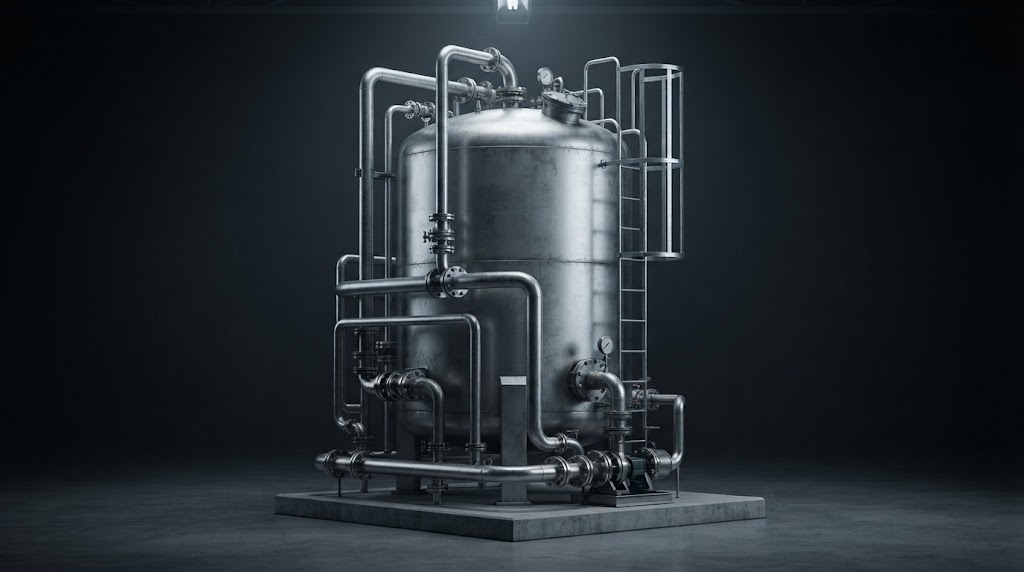
The Blue Star contract does not exist in isolation. It arrives while Tanfac is finishing construction on a 20,000 MTPA HFC-32 refrigerant gas plant at its Cuddalore facility, funded through a recently completed 250 crore rupee equity raise. That project remains on track for commissioning by the end of Q3 FY27, close to when the Blue Star supply commitments are due to begin.
Several elements of Tanfac's recent order book point toward a consistent pattern:
Long-term contracts are replacing spot sales as the company's preferred commercial structure, giving both Tanfac and its customers more predictable planning horizons.
Both domestic and export customers are signing on early, before new capacity has even come online, which reduces the risk of underutilised production once the plant is running.
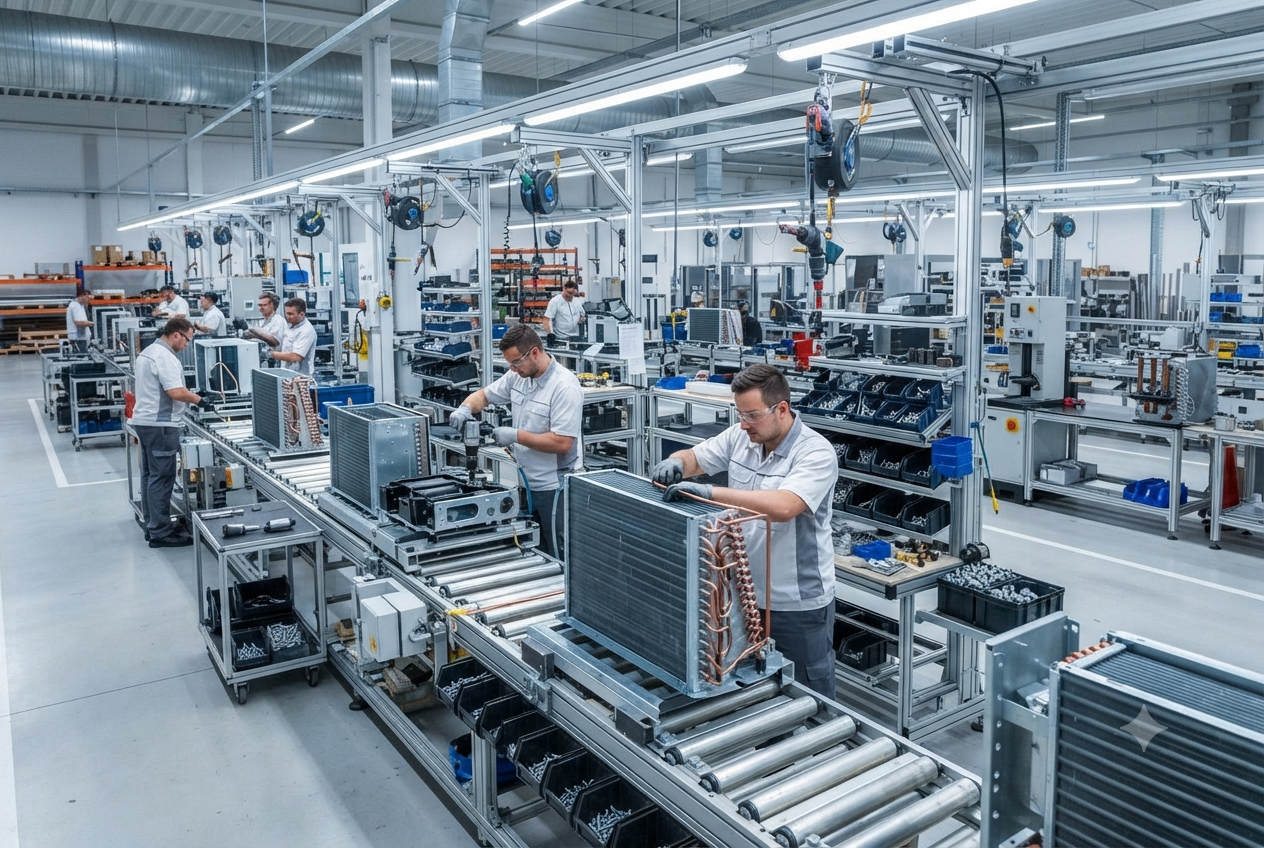
Refrigerant and air conditioning demand is a clear growth driver, with Blue Star's core business tied directly to the same room AC and commercial refrigeration trends fuelling Tanfac's HFC-32 investment.
What the Deal Signals for Fluorochemical Buyers
A domestic contract worth 61 crore rupees annually may look modest next to Tanfac's larger export agreements, but its significance goes beyond the number. It confirms that a major Indian OEM in air conditioning and refrigeration is willing to commit to Tanfac as a long-term fluorinated product supplier well ahead of new capacity coming online.
For buyers evaluating fluorochemical suppliers in India, this pattern of early, high-value commitments is worth watching closely. Capacity that is heavily pre-sold before commissioning tends to leave limited room for new spot buyers once production starts. Tanfac has already indicated that roughly 65 percent of its HFC-32 capacity is covered under agreements or memorandums of understanding, and management has stated a target of 80 to 85 percent sold before commercial operations begin.
That leaves a narrowing window for buyers who have not yet engaged with the company directly. Sourcing teams with refrigerant or fluorinated chemical requirements tied to the Indian market may find it more effective to open supplier discussions now rather than after the Cuddalore plant reaches commissioning.
Reading the Contract Alongside Tanfac's Financial Position
Tanfac's recent financial disclosures provide useful context for how the company is positioned to deliver on these commitments. The completed QIP, combined with a proposed preferential issue led by promoter Anupam Rasayan India Limited, has left the company net debt-free. That balance sheet position gives Tanfac more room to execute its expansion plans without the funding pressure that can sometimes accompany aggressive capacity growth.
At the same time, the company has acknowledged near-term margin pressure from higher sulphur and fuel costs, partly linked to geopolitical tensions in West Asia. This has not affected the company's stated confidence in its expansion timeline or its ability to honour long-term supply agreements like the one with Blue Star.
Q1 FY27 operational revenue rose 6.3 percent year on year to 187.18 crore rupees.
Full-year FY26 revenue grew 27 percent year on year, reflecting the broader momentum behind the company's fluorochemical push.
Net profit came under some pressure in the most recent quarter, though management has framed this as a temporary cost effect rather than a structural issue.
The Bottom Line for Procurement Teams
The Blue Star agreement is a relatively small line item next to Tanfac's larger export contracts and its 390 crore rupee HFC-32 plant investment, but it reinforces a consistent theme across the company's recent disclosures. Fluorinated product demand from India's air conditioning and refrigeration sector is being locked in well ahead of new supply reaching the market.
For buyers tracking fluorochemical availability in India, the combination of high pre-commissioning offtake, a strengthened balance sheet and a growing list of long-term customers suggests Tanfac is positioning itself as a preferred supplier rather than a spot-market participant. Engaging early, before the Cuddalore plant reaches full commercial operation, is likely to matter more than usual in this particular supply chain.
Ready to source fluorinated products from verified global suppliers? Explore competitive offers on our platform today.
Sulphuric Acid (60%)
Found this useful?