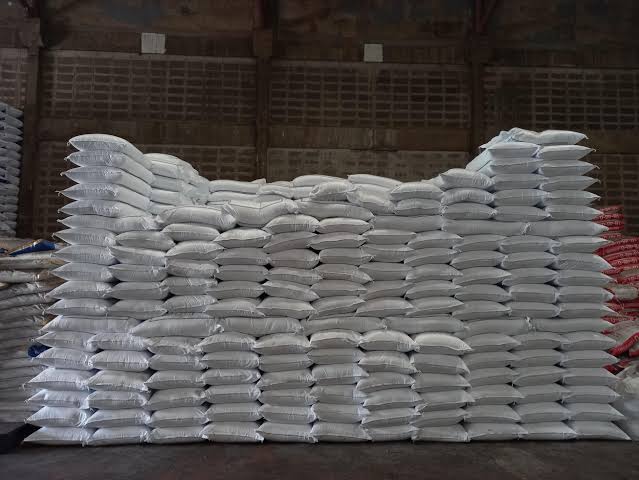
Concerns surrounding potential tariff actions on Canadian potash imports continue to support wholesale fertilizer prices across the United States. Even before any lasting policy changes take full effect, uncertainty surrounding future trade conditions has encouraged buyers, distributors and manufacturers to reassess purchasing strategies. For procurement managers, fertilizer traders and agricultural suppliers, the market demonstrates how policy expectations alone can influence pricing long before physical supply changes occur.
Potash remains one of the world's most important agricultural nutrients, supporting crop yields across corn, soybean, wheat and numerous other farming sectors. Because Canada is among the largest global suppliers, any discussion involving tariffs immediately attracts attention throughout international fertilizer markets. As buyers evaluate future supply risks, wholesale prices have remained supported by expectations that import costs could increase if trade measures become more restrictive.
Why Canadian Potash Plays a Critical Role
Potash supplies potassium, one of the three primary nutrients essential for healthy plant development. Farmers rely on consistent potash availability to improve crop quality, strengthen root systems and maximize agricultural productivity.
Canadian production has become strategically important because it offers:
Large-scale mining capacity capable of serving both domestic and export markets.
Established transportation infrastructure connecting mines to ports and rail networks.
Long-term production stability supported by significant mineral reserves.
Reliable export volumes throughout the year.
Strong commercial relationships with fertilizer distributors worldwide.
Because of this position in the global market, changes affecting Canadian exports often influence fertilizer pricing far beyond North America.
Trade Policy Expectations Can Move Markets
Commodity markets frequently react before formal policy implementation. Buyers adjust purchasing behaviour based on expected outcomes rather than waiting for official regulatory changes.
Potential tariff concerns may encourage businesses to:
Accelerate purchasing before higher costs emerge.
Increase warehouse inventories.
Diversify supplier portfolios.
Renegotiate long-term contracts.
Review import strategies.
These actions can increase short-term demand even when physical supply remains largely unchanged.
As a result, wholesale fertilizer prices may strengthen because market participants anticipate future cost pressures rather than responding only to immediate supply shortages.
Wholesale Fertilizer Markets Reflect Multiple Cost Drivers
Although tariffs receive significant attention, fertilizer pricing depends on a combination of interconnected factors.
Key influences include:
Mining production levels.
Transportation expenses.
Rail and port capacity.
Energy prices.
Seasonal agricultural demand.
International trade flows.
Government policy developments.
Tariff discussions add another layer of complexity by increasing uncertainty surrounding future import costs.
For procurement professionals, understanding how these variables interact provides better insight into price movements than monitoring individual factors in isolation.
Procurement Teams Should Strengthen Market Intelligence
Today's fertilizer market requires continuous monitoring rather than periodic purchasing reviews.
Effective procurement programmes increasingly monitor:
Government trade announcements.
Import policy developments.
Canadian production updates.
Domestic wholesale pricing.
Transportation conditions.
Supplier inventories.
Agricultural demand forecasts.
Access to timely market intelligence allows buyers to identify emerging trends before they become reflected in contract pricing.
Organizations that regularly update procurement strategies based on changing market conditions often reduce exposure to sudden pricing shifts.
Supplier Diversification Becomes Increasingly Valuable
Potential trade policy changes reinforce the importance of maintaining a diversified supplier network.
Procurement teams should evaluate opportunities to:
Expand relationships with regional suppliers.
Qualify alternative international producers.
Balance domestic and imported supply.
Increase sourcing flexibility.
Reduce dependence on any single origin.
Diversification does not eliminate market risk, but it provides additional purchasing options when policy developments influence specific supply routes.
Inventory Management Can Reduce Procurement Risk
Periods of policy uncertainty often encourage organizations to revisit their inventory strategies. While carrying additional inventory increases storage and financing costs, insufficient stock can expose businesses to higher spot market prices or supply interruptions if trade conditions change quickly.
Procurement teams should regularly assess:
A balanced inventory strategy helps organizations respond to market changes without creating unnecessary working capital pressure.
Domestic Producers May Benefit From Market Uncertainty
Concerns surrounding Canadian imports can create opportunities for domestic fertilizer producers and distributors. As buyers seek to reduce exposure to potential tariff-related cost increases, locally produced products may become more attractive in certain regions.
Possible market outcomes include:
Increased demand for domestic suppliers.
Greater investment in regional production.
Stronger long-term supply agreements.
Expanded distribution networks.
Increased competition among suppliers.
Although imports will continue playing an essential role in the fertilizer market, stronger domestic participation can improve overall supply resilience.
Long-Term Contracts Deserve Fresh Review
Trade policy uncertainty makes contract management increasingly important.
Procurement professionals should evaluate whether existing agreements provide adequate flexibility regarding:
Contracts negotiated during stable market conditions may not fully address risks associated with changing trade policies. Regular reviews allow businesses to identify opportunities for improvement before market conditions become more challenging.
Transportation Costs Add Another Layer of Complexity
Potash pricing extends beyond production costs. Transportation remains a significant contributor to delivered fertilizer prices.
Procurement teams should monitor:
Rail freight rates.
Port operations.
Trucking availability.
Fuel prices.
Cross-border logistics.
Even if product pricing remains relatively stable, changes in transportation expenses can significantly affect total procurement costs.
Combining logistics analysis with commodity market monitoring provides a more complete understanding of purchasing economics.
Market Intelligence Supports Better Decision Making
Successful fertilizer procurement increasingly depends on access to reliable and timely market information.
Organizations should integrate intelligence from multiple sources, including:
Government trade announcements.
Fertilizer market reports.
Supplier communications.
Agricultural demand forecasts.
Global commodity trends.
Using several information sources reduces the risk of making procurement decisions based on a single market indicator.
Digital procurement platforms and analytics tools also enable businesses to monitor pricing movements, supplier performance and inventory levels in real time, improving responsiveness during periods of uncertainty.
While current tariff concerns support wholesale fertilizer prices, procurement teams should also evaluate longer-term market developments.
Important strategic considerations include:
Future trade negotiations.
Expansion of domestic production.
Changes in global fertilizer demand.
Infrastructure investments.
Supplier diversification initiatives.
Organizations that combine short-term tactical purchasing with long-term strategic planning are generally better prepared to manage market volatility.
Rather than reacting to each policy announcement individually, businesses should build procurement frameworks capable of adapting to a wide range of market conditions.
What Fertilizer Buyers Should Do Now
Ongoing concerns over tariff actions on Canadian potash imports demonstrate how policy uncertainty alone can influence fertilizer markets. Procurement professionals should continue monitoring trade developments, strengthening supplier diversification, reviewing inventory strategies and evaluating contract flexibility to reduce exposure to changing market conditions.
Organizations that combine regulatory awareness with proactive procurement planning will be better positioned to manage price volatility, maintain reliable fertilizer supplies and make informed purchasing decisions as global trade policies continue to evolve.
Ready to source potash fertilizers from verified global suppliers? Explore competitive offers on our platform today.