Thailand's Emergency Fuel Export Ban: A Case Study in Downstream Chemical Disruption and Supply Chain Risk
When Thailand suspended exports of fuel and petroleum products during the regional energy crisis, the impact reached far beyond the domestic fuel market. The decision quickly affected downstream chemical production because many of Thailand's largest chemical manufacturers rely on the same refining and hydrocarbon value chain that supplies fuels and petrochemical feedstocks.
For global buyers, the Thailand emergency fuel export ban became an important reminder that government emergency measures can interrupt chemical trade with little warning. Companies sourcing polymers, aromatics and specialty petrochemicals from Thailand suddenly faced uncertainty over deliveries, production schedules and future contract fulfilment. The event demonstrated that supply chain resilience depends not only on supplier performance but also on national policy decisions.
Why Thailand Implemented an Emergency Export Ban
Thailand introduced the emergency restrictions after concerns emerged over declining domestic fuel inventories. Authorities sought to protect national energy security by ensuring sufficient supplies remained available for transportation, power generation and essential industries.
Officials aimed to maintain approximately sixty days of strategic oil reserves. Available inventories had reportedly fallen well below that target, while only a limited volume of crude oil already in transit through the Gulf region could replenish supplies within the required timeframe.
Under these conditions, the government prioritised domestic demand over international trade commitments. Fuel exports stopped immediately, and restrictions extended to petroleum products connected to the country's broader refining system.
How the Fuel Ban Reached the Chemical Industry
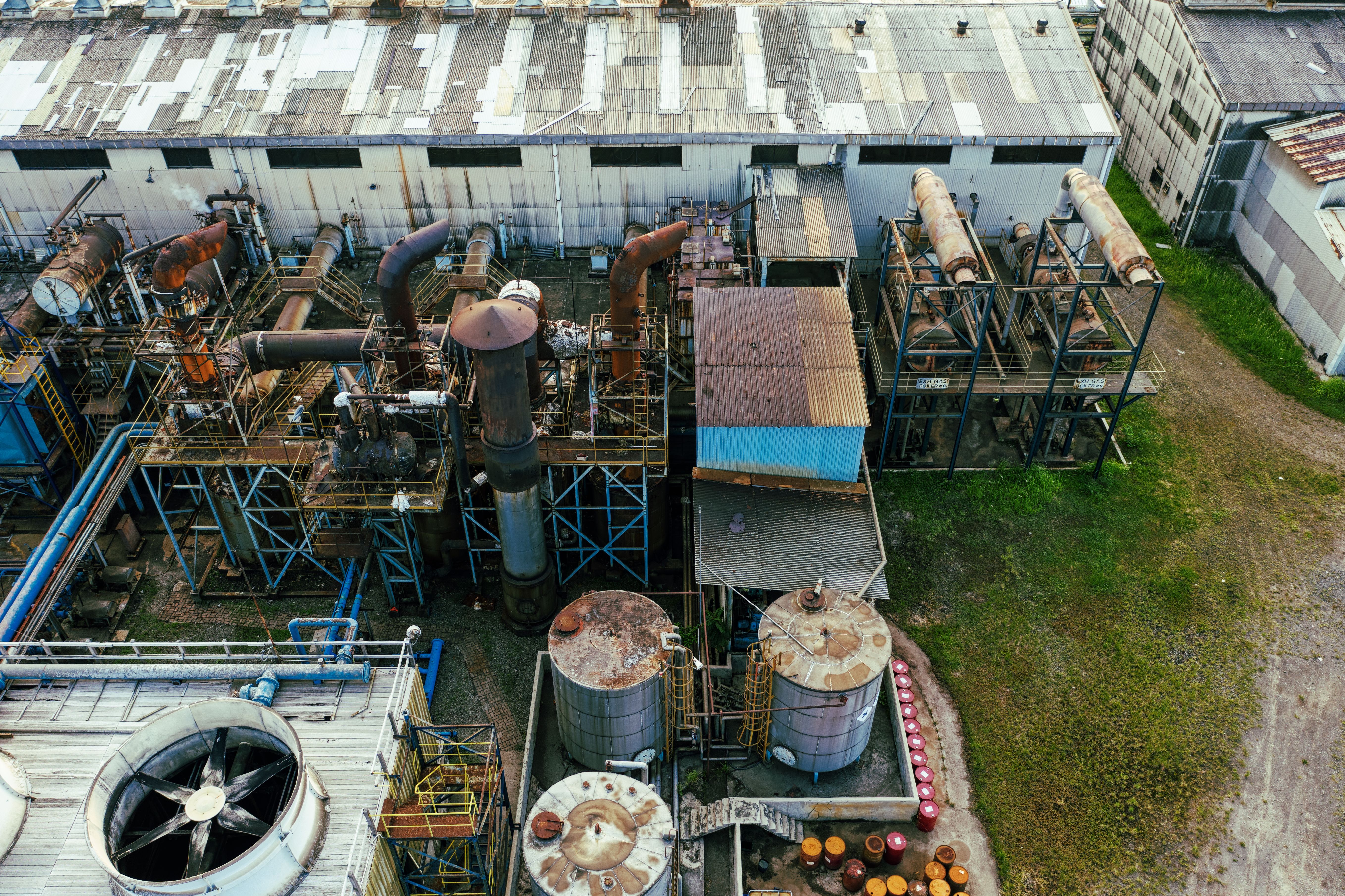
Thailand's petrochemical sector forms an integrated network with its refining industry. Feedstocks such as naphtha and other refinery streams serve as essential raw materials for producing numerous industrial chemicals.
Once fuel exports halted, chemical producers encountered two major challenges at the same time.
Feedstock availability became increasingly uncertain as refinery operations focused on domestic fuel requirements rather than export-oriented production.
Export restrictions created logistical barriers that limited overseas shipments even when some chemical products remained available.
For international buyers, these combined pressures reduced confidence in Thai-origin supply during one of the most volatile periods in regional energy markets.
Thai Petrochemical Producers Under Pressure
Major chemical manufacturers found themselves operating within an environment where commercial priorities no longer determined production decisions. National energy security became the primary objective.
Large integrated producers had to balance several competing priorities:
Maintaining operations despite uncertainty surrounding feedstock availability.
Supporting domestic manufacturing sectors that depended on essential chemical inputs.
Managing export commitments while complying with emergency government directives.
Preparing for rapidly changing market conditions as regional crude oil supplies remained unstable.
This situation demonstrated that even highly efficient producers cannot always fulfil contractual obligations when emergency government policies override normal commercial activity.
Why Global Chemical Buyers Felt the Impact
Thailand serves as an important regional supplier of polyolefins, aromatic chemicals and various downstream petrochemical products. Buyers across Asia, the Middle East, Africa and other international markets regularly include Thai suppliers within diversified procurement portfolios.
When exports slowed or stopped, buyers experienced several immediate challenges.
Alternative suppliers already faced increased demand because of disruptions affecting Gulf energy shipments.
Freight schedules became more difficult to secure as cargo priorities shifted across regional ports.
Spot market prices strengthened as available export volumes declined.
Procurement teams had less flexibility when negotiating replacement contracts because multiple buyers competed for limited supply.
These conditions highlighted a fundamental procurement lesson. A supplier located outside the immediate crisis zone can still become unavailable if national emergency measures restrict exports.
Feedstock Constraints Created a Double Disruption
Many supply disruptions affect either production or logistics. Thailand's emergency measures created pressure on both simultaneously.
Chemical manufacturers faced uncertainty regarding feedstock availability while international customers encountered restrictions on exports. Even companies with existing purchase agreements had limited visibility into delivery schedules because operating conditions changed rapidly.
For procurement managers, this distinction matters. Production interruptions often recover once raw materials return, but government export controls can delay shipments even after manufacturing resumes.
What This Means for Procurement Risk Management
The Thai case demonstrates that supplier evaluation should extend beyond production capacity and pricing. Government policy, national energy security planning and strategic reserve levels can all influence future chemical availability.
Procurement teams should regularly assess broader market indicators rather than focusing solely on supplier performance. Important considerations include:
National dependence on imported crude oil or feedstocks.
Government policies regarding emergency reserve requirements.
Integration between refinery operations and petrochemical production.
Historical use of export restrictions during periods of market stress.
Geographic concentration of critical chemical supply sources.
These factors provide valuable insight into how resilient a sourcing strategy may remain during future regional or global disruptions.
Regional Trade Patterns Changed Overnight
The disruption extended beyond Thailand's borders because regional buyers immediately searched for replacement suppliers. Manufacturers in neighboring countries received additional inquiries while traders competed for limited spot cargoes.
This sudden shift increased pressure on logistics providers, storage terminals and shipping schedules. Longer lead times became common as procurement teams adjusted sourcing plans to secure material from alternative origins.
Lessons for Importers and Exporters
The Thai case offers practical lessons for companies involved in international chemical trade. Price is only one part of procurement strategy. Supply continuity often delivers greater long term value than short term savings.
Importers can strengthen resilience by adopting several practices.
Qualify suppliers from multiple countries instead of depending on a single production hub. Geographic diversity reduces exposure to local policy decisions.
Review contracts for force majeure clauses and emergency government actions. Understanding contractual limitations helps procurement teams prepare realistic contingency plans.
Monitor refinery operations alongside chemical production. Integrated petrochemical complexes depend heavily on refinery output, making energy market developments an important sourcing indicator.
Maintain regular communication with logistics partners. Shipping companies and freight forwarders often detect disruptions before they become widely reported.
Exporters can also benefit from stronger communication with international customers. Transparent updates during periods of uncertainty help preserve trust even when deliveries become difficult to maintain.
Why Integrated Petrochemical Supply Chains Are More Vulnerable
Thailand's experience highlighted the close relationship between refining and petrochemical manufacturing. Many downstream chemicals originate from refinery byproducts, making both industries dependent on the same upstream resources.
When governments prioritize transportation fuel, petrochemical production may receive fewer feedstocks. This creates a ripple effect across multiple product categories, including:
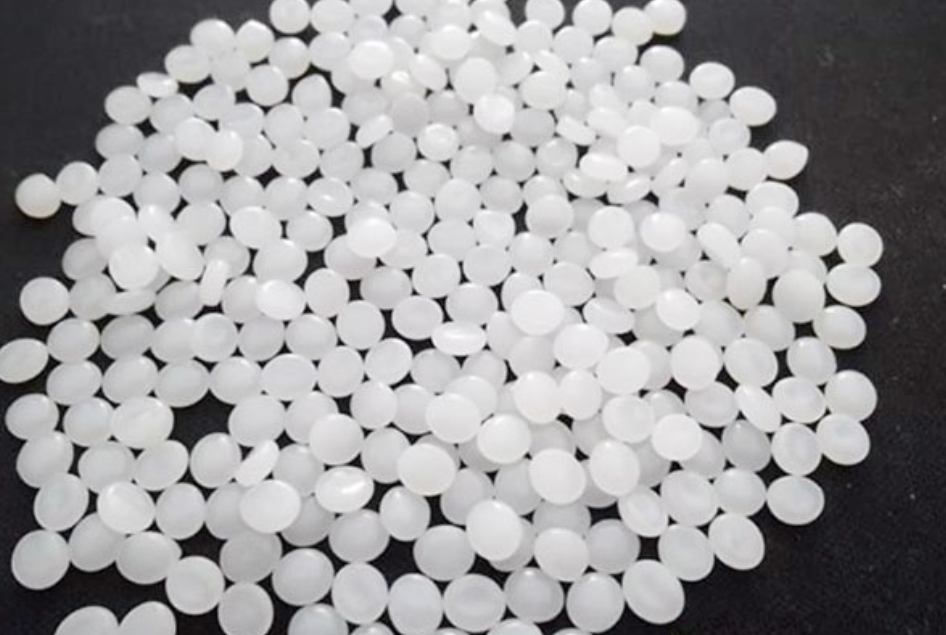
Polyethylene and polypropylene used in packaging, construction and consumer goods.
Aromatic chemicals that support the production of solvents, coatings and synthetic fibers.
Industrial intermediates used by manufacturers in automotive, electronics and appliance sectors.
Specialty chemical products that rely on consistent hydrocarbon feedstock quality.
The disruption does not remain confined to one chemical family. It spreads throughout manufacturing networks that depend on integrated production systems.
Building More Resilient Chemical Procurement Strategies
Procurement teams increasingly recognize that resilience requires continuous market awareness rather than reactive purchasing. The Thai export ban demonstrated how quickly market conditions can change when governments intervene to protect domestic interests.
Effective sourcing strategies should include:
A balanced supplier portfolio that combines regional and international sources.
Regular assessment of geopolitical and energy market developments.
Safety stock policies for high value or business critical chemicals.
Early engagement with suppliers when regional risks begin to emerge.
Periodic review of alternative product specifications that can support operational flexibility during shortages.
These measures cannot eliminate disruption, but they can reduce operational downtime and improve purchasing agility when unexpected events occur.
The Growing Importance of Government Policy in Chemical Trade
Trade professionals often monitor crude oil prices, freight costs and production capacity. The Thailand case shows that public policy deserves equal attention.
Emergency reserve requirements, export controls and national energy security strategies can rapidly reshape global chemical availability. Even financially strong suppliers with modern manufacturing facilities may have little ability to continue exports when government directives change market priorities.
As geopolitical uncertainty continues to influence energy markets, procurement teams should incorporate policy monitoring into their routine sourcing activities. A broader understanding of regulatory environments can provide valuable early warning signals before supply disruptions become widespread.
What Buyers Should Do Now
Thailand's emergency fuel export ban serves as an important case study in downstream chemical disruption rather than an isolated event. It demonstrates how integrated supply chains remain vulnerable to policy decisions that place domestic needs ahead of international commerce.
Companies that depend on imported petrochemicals should strengthen supplier diversification, improve market intelligence and develop contingency sourcing plans before the next disruption occurs. Organizations that prepare in advance will be better positioned to maintain production, control procurement costs and protect customer commitments during periods of market instability.
Ready to source Thailand petrochemicals from verified global suppliers? Explore competitive offers on our platform today.
High Density Polyethylene (HDPE)
Found this useful?