Supply Chain Human Rights and CSRD: Lessons from the 2026 Hormuz Crisis | ChemicalsBlog.com
ESG & Performance
schedule4 Min Read
The 13 Mariner Deaths: Supply Chain Human Rights and the CSRD Due Diligence Connection
terminal
prodchem
Jul 13, 2026
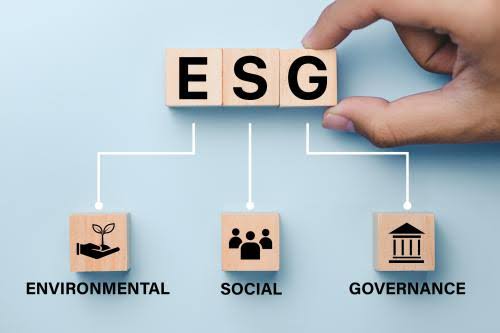
Environmental, Social, and Governance (ESG) reporting has evolved beyond measuring environmental performance and corporate governance. Today, companies are also expected to understand and disclose the human rights impacts that occur throughout their value chains.
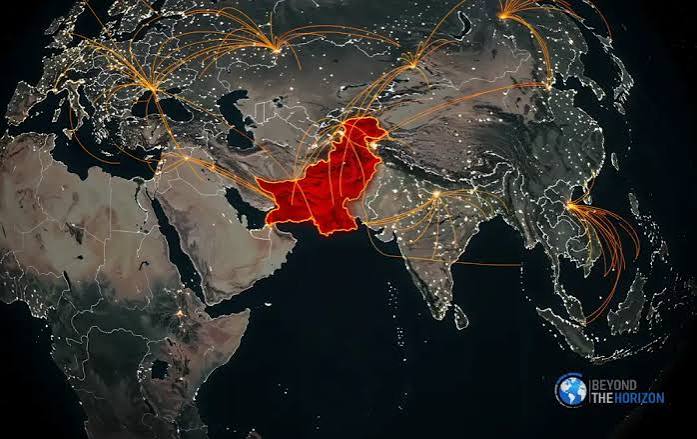
The 2026 Hormuz crisis highlighted this responsibility. According to confirmed maritime reports, 13 civilian mariners have lost their lives in Hormuz-area incidents since the April ceasefire, while thousands of seafarers experienced extended deployments and operational uncertainty due to ongoing shipping disruptions. These events demonstrate that supply chain disruptions affect not only business operations but also the people responsible for keeping global trade moving.
For chemical manufacturers, distributors, and procurement professionals, these developments reinforce the importance of supply chain human rights due diligence under frameworks such as the Corporate Sustainability Reporting Directive (CSRD) and the European Sustainability Reporting Standards (ESRS S2 – Workers in the Value Chain).
Why Human Rights Are Becoming a Procurement Priority
Modern supply chains involve thousands of workers across shipping companies, ports, logistics providers, warehouses, and manufacturing facilities.
Procurement decisions increasingly influence:
Worker safety
Labor conditions
Contractor welfare
Responsible sourcing
Business continuity
ESG performance
As a result, organizations are expected to understand how their procurement activities affect workers throughout the supply chain.
Understanding ESRS S2
Under the European Sustainability Reporting Standards, ESRS S2 focuses on workers within an organization's value chain.
The framework encourages companies to identify and assess:
Human rights risks
Working conditions
Health and safety concerns
Labor practices
Supply chain impacts
Risk mitigation measures
Rather than focusing only on direct employees, organizations are expected to consider workers involved throughout their broader supply networks.
Maritime Logistics and Value Chain Responsibility
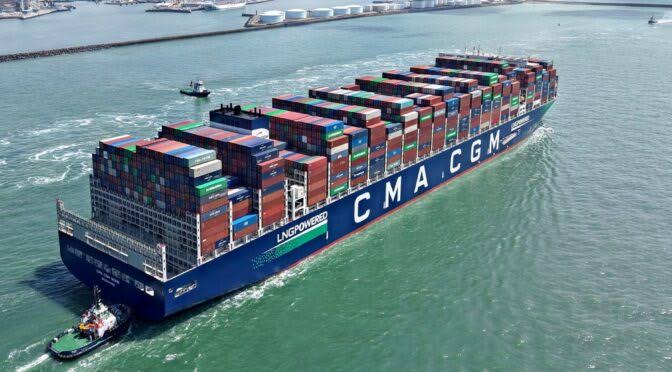
International shipping remains one of the most important components of the global chemical industry.
Chemical products travel through multiple logistics stages before reaching customers, including:
Marine transportation
Port handling
Warehousing
Inland transportation
Distribution networks
Events affecting maritime workers can therefore become relevant to broader supply chain risk management and ESG reporting.
Globally traded products such as Methanol, Mono Ethylene Glycol (MEG), Caustic Soda, Acetic Acid, and Sulfuric Acid are routinely transported through international maritime supply chains. Responsible sourcing of these essential chemicals increasingly requires organizations to consider not only logistics efficiency but also worker welfare, supplier governance, and broader ESG responsibilities across the value chain.
Procurement teams increasingly contribute to responsible business practices through supplier engagement and risk management.
Key responsibilities include:
Evaluating logistics partners
Reviewing supplier sustainability programs
Assessing human rights policies
Monitoring supply chain risks
Supporting responsible sourcing initiatives
Maintaining supplier documentation
These activities strengthen both operational resilience and ESG performance.
Procurement teams sourcing Methanol, MEG, Caustic Soda, and other bulk industrial chemicals should work closely with suppliers and logistics partners to strengthen supply chain transparency, responsible sourcing practices, and human rights due diligence throughout international transportation networks.
Organizations can improve supply chain oversight by implementing structured governance practices.
Examples include:
Supplier risk assessments
Human rights due diligence procedures
Business continuity planning
Supplier code of conduct reviews
Logistics risk monitoring
ESG performance tracking
Regular supplier engagement
These measures help organizations better understand and manage value chain risks during periods of disruption.
Looking Ahead
The 2026 Hormuz disruption demonstrated that supply chain resilience is closely connected with human rights and responsible procurement. As sustainability reporting requirements continue to evolve, organizations are expected to look beyond financial impacts and consider how supply chain decisions affect the people involved in transporting goods around the world.
For procurement professionals, integrating human rights due diligence into supplier management is becoming an important part of modern supply chain governance. Companies that strengthen supplier oversight, improve transparency, and document responsible sourcing practices will be better positioned to meet future ESG reporting expectations while building more resilient and ethical supply chains.
Key Takeaways
Human rights are becoming an increasingly important component of supply chain management.
ESRS S2 encourages organizations to assess impacts on workers throughout the value chain.
Maritime logistics plays a critical role in global chemical supply chains.
Procurement teams contribute significantly to responsible sourcing and human rights due diligence.
Strong supplier governance supports both ESG reporting and long-term business resilience.